Political analysts and security experts say the trajectory of Sudan’s civil war has become closely tied to the role of the Muslim Brotherhood within the country’s political and military landscape, warning that the group is seeking to exploit the conflict to rebuild its influence after the fall of former president Omar al-Bashir.
Observers say recent moves to designate the Sudanese Muslim Brotherhood as a terrorist organization could mark a turning point in efforts to reduce the group’s influence and open the door for a comprehensive political settlement aimed at ending the war, which has inflicted devastating human and economic losses across Sudan.
Political analyst Sohaib Al-Mazriqi said one of the greatest threats to ending the conflict lies in what he described as attempts by the Muslim Brotherhood to return to power through the ongoing war.
“The Muslim Brotherhood in Sudan does not view the conflict as a national catastrophe that must be immediately stopped,” Al-Mazriqi told Al-Ittihad. “Instead, it sees the war as a political opportunity to reposition itself and restore the influence it lost after Bashir’s regime collapsed.”
He added that the group’s approach reflects a long-standing pattern of prioritizing the organization’s interests over those of the Sudanese state.
Al-Mazriqi also argued that ideological alignment behind the military at this stage cannot be separated from efforts to recreate the former system of political “empowerment” that existed under Bashir, even if doing so comes at the expense of Sudanese lives and national unity.
According to him, the mobilizing rhetoric portraying the war as an existential battle primarily serves forces seeking to shut down the political sphere and obstruct any genuine democratic transition.
“The continuation of the civil war is not caused by a single factor,” he said, “but the presence of an organized current attempting to politically exploit the fighting weakens the prospects for a negotiated settlement and strengthens calls for a military victory instead of a political solution.”
Al-Mazriqi stressed that Sudan will not overcome its crisis unless the military institution is fully neutralized from partisan or ideological influence and the war is prevented from being used as a vehicle to revive political projects that have already failed to govern the country.
He said building a genuine civilian state requires a clear break from any attempt to reproduce the Muslim Brotherhood’s rule, arguing that national stability and peace must take precedence over organizational interests.
Meanwhile, researcher Munir Adib, a specialist in extremist movements and international terrorism, said designating the Muslim Brotherhood in Sudan as a terrorist organization could significantly alter the course of the conflict.
Adib said the United States had previously attempted to facilitate communication between Sudan’s two main military forces through Masad Boulos, an adviser to the U.S. president on African and Arab affairs, in hopes of reaching a settlement that would halt the fighting.
However, he said those efforts failed to produce tangible results, partly because the Muslim Brotherhood remains a key actor within the conflict’s political dynamics.
“The organization does not seek to end the war,” Adib told Al-Ittihad. “On the contrary, the conflict itself fuels its survival, because the end of the fighting would likely mean the end of its political influence.”
He added that the group is attempting to reinvent itself by prolonging the conflict and leveraging developments on the battlefield.
Adib argued that designating the Sudanese Muslim Brotherhood as a terrorist organization could weaken one of the key pillars supporting the Sudanese military’s position in the conflict, potentially opening the door for political understandings or settlements with the Rapid Support Forces (RSF) that could help bring the war to an end.
He also said the organization had committed numerous violations during Bashir’s rule and that many of these activities continued or intensified following his removal from power, contributing to the escalation of armed conflict.
Adib stressed that ending the war requires decisive measures, including holding accountable leaders involved in acts of violence and dismantling networks that continue to fuel the conflict.
“The Muslim Brotherhood’s survival has become closely tied to the continuation of the war and the battlefield gains of the Sudanese armed forces,” he said.
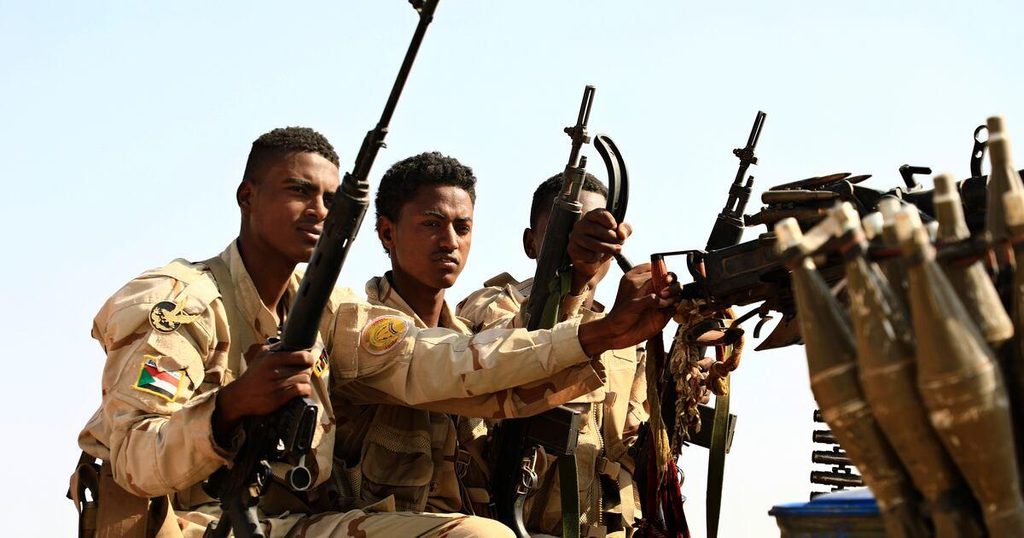
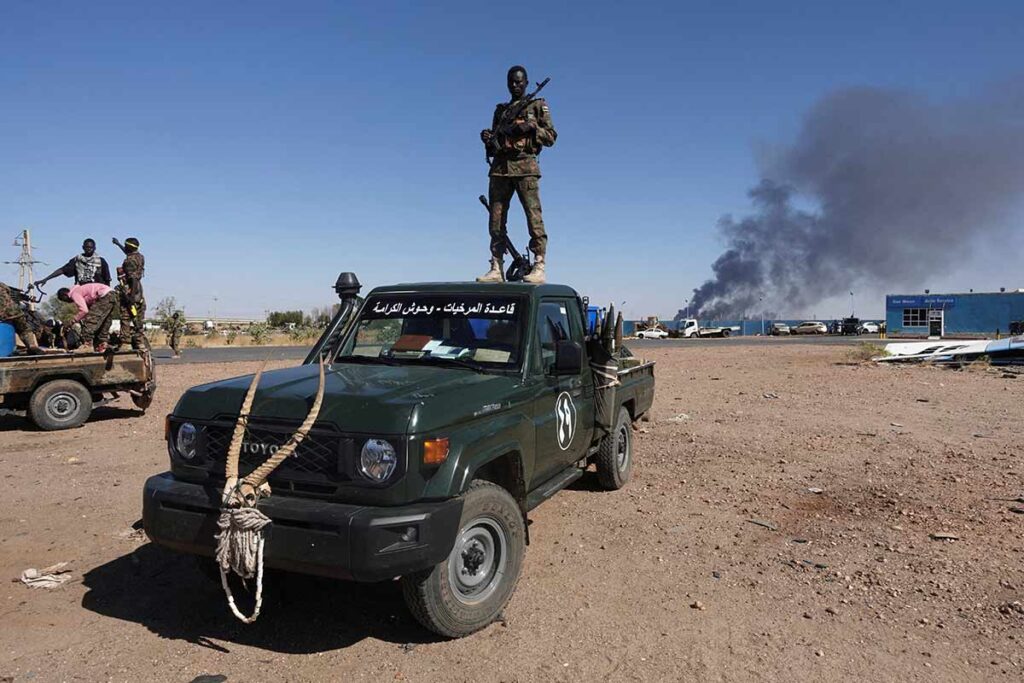
According to Adib, members of the organization are participating in the conflict alongside the SAF, either directly as fighters or by providing logistical and financial support.
He warned that if the military consolidates control on the battlefield, the group could return to the political arena with significant influence and potentially gain representation within a future government, in a scenario reminiscent of its position during Bashir’s rule.