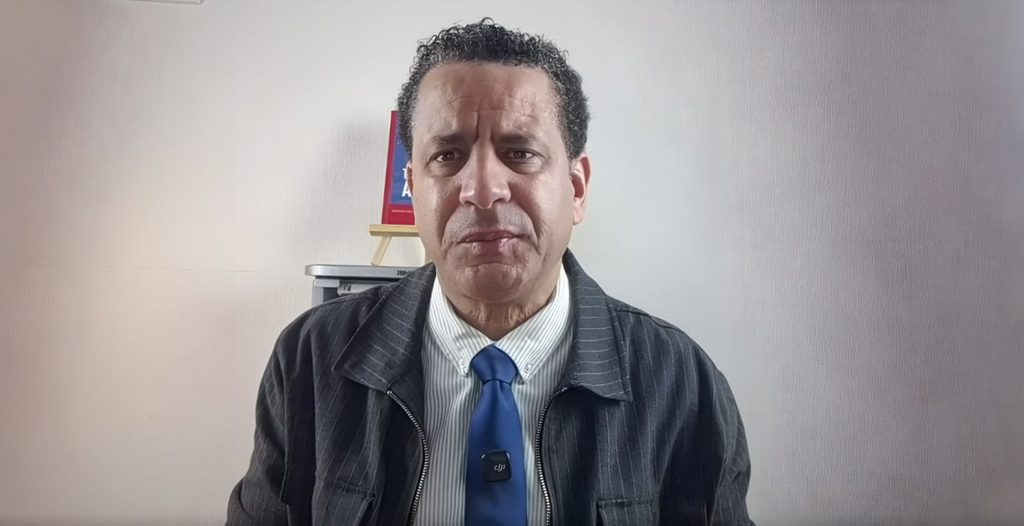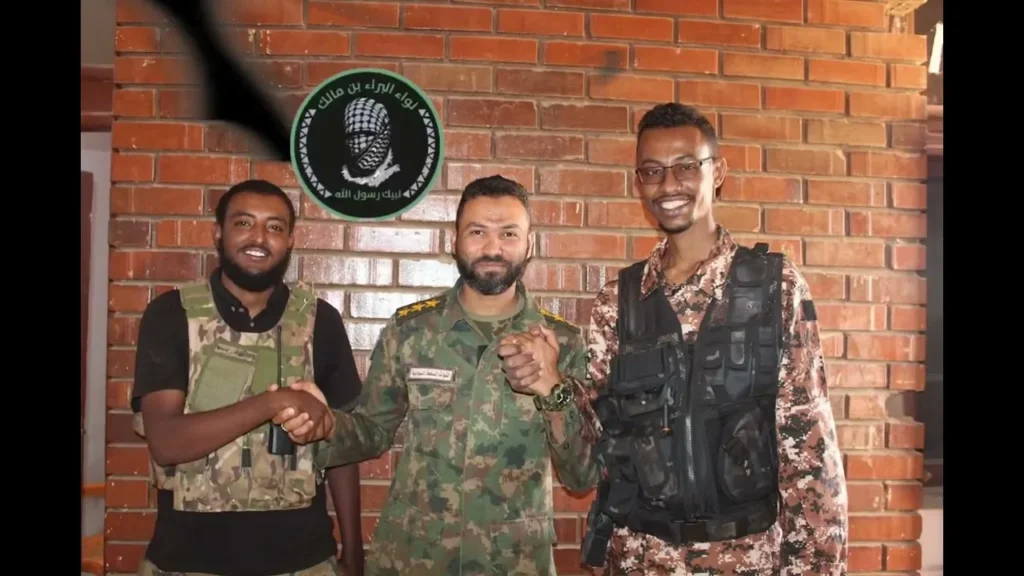
The leader of the Baraa bin Malik Brigade has delivered a defiant speech, openly challenging international pressure days after the United States designated the group as a terrorist organization.
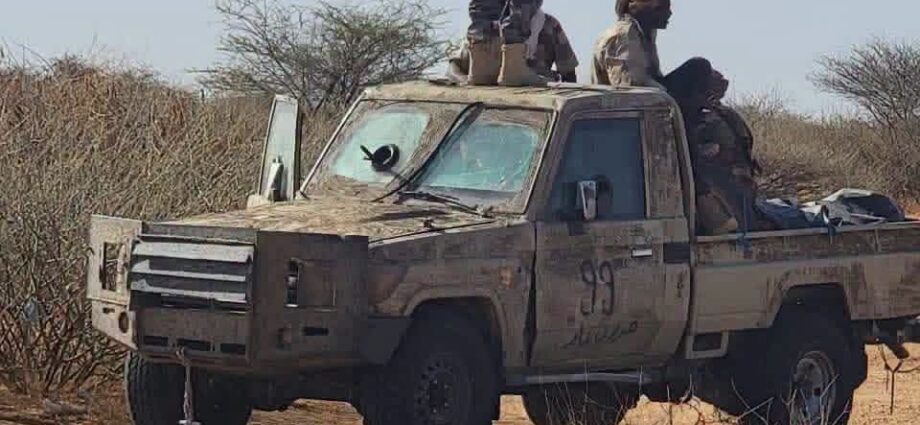
Speaking from Al-Afadh military camp in Sudan’s Northern State during Eid prayers, the commander framed his fighters as “mujahideen” and “martyrdom projects,” urging them to continue fighting despite growing international scrutiny.
The speech followed Washington’s decision to classify Sudan’s Islamist movement and its armed wing, the Baraa bin Malik Brigade, as a Foreign Terrorist Organization effective March 16. The designation marks a significant shift in how international actors are engaging with Sudan’s war, which has been ongoing since April 2023.
According to US officials, the group has been accused of carrying out mass executions, using excessive violence against civilians, and receiving training and support from Iran’s Revolutionary Guard — signaling the widening regional dimensions of Sudan’s conflict.
US documents state the brigade relies on “extreme violence to undermine political settlement efforts and impose its Islamist ideology,” reinforcing longstanding allegations tied to its conduct during the war.
The move builds on earlier sanctions imposed in September 2025, reflecting a broader effort to curb ideologically driven armed factions.
The designation has been welcomed by Sudanese political and civil actors, who view it as a necessary step to contain extremist groups amid a devastating war that has weakened state institutions.
However, the brigade leader’s remarks struck a sharply different tone. He accused the United Nations and international actors of “double standards” and concluded with a collective pledge that his fighters would stand “as one man,” signaling continued mobilization and rejection of international pressure.
The speech has sparked backlash across Sudan’s political and civic space, with critics warning it highlights the deep entrenchment of Islamist factions within military and security structures.
Analysts say the speech raises concerns about the ability of General al-Burhan’s army (SAF) to control allied armed groups, particularly after their formal designation as terrorist entities.
Some observers argue the move reflects institutional weakness within the military leadership and alignment with Islamist agendas at a time when tighter command and discipline are urgently needed.
Others warn that the US designation could pave the way for direct international military action under counterterrorism frameworks — similar to operations targeting groups like ISIS or al-Qaeda.
The development places Sudan at a critical crossroads: while international and domestic actors push for de-escalation and a political process, escalating rhetoric and continued militarization risk deepening isolation and prolonging the conflict.
With no clear political pathway in sight, Sudan faces a stark choice between pursuing stability through negotiations or sliding further into violence and international isolation.