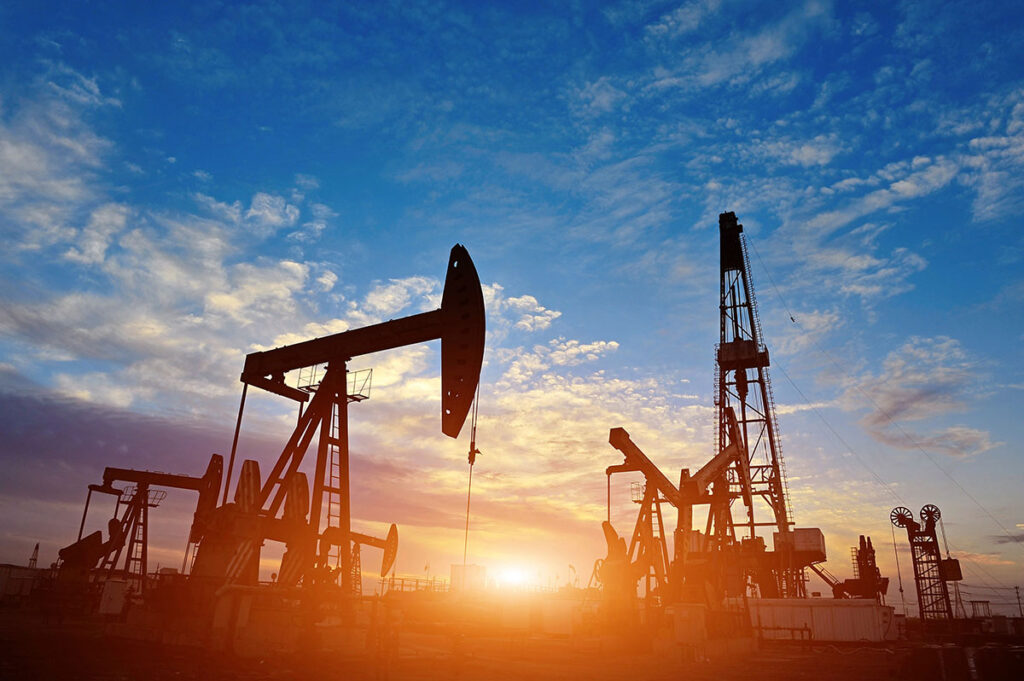
African governments have sharply increased fuel prices as the Iran war drives global oil costs higher, threatening inflation across the continent.
Most African nations rely on imported petroleum, leaving their economies vulnerable to sudden supply disruptions and escalating international energy shocks.
South Africa, one of Africa’s largest economies, temporarily reduced its fuel levy for April after unions and businesses pressured government intervention.
In Ghana, the National Petroleum Authority raised mandatory minimum fuel prices, pushing petrol up 15% to 13.30 cedis and diesel 19% to 17.10 cedis.
President John Mahama said the government is considering measures to cushion consumers, including lowering fuel margins and reviewing recent petroleum levies.
He also suggested a formal supply deal with Nigeria’s Dangote refinery to secure alternative refined fuel sources amid soaring imports.
Malawi’s Energy Regulatory Authority imposed steeper hikes, raising petrol 34% to 6,672 kwacha and diesel 35% to 6,687 kwacha per litre from Wednesday.
Between January and March, petrol and diesel costs jumped 42% and 87% on a free-on-board basis, forcing suppliers to adopt fortnightly pricing.
Tanzania’s regulator increased petrol to 3,820 shillings and diesel to 3,802 shillings per litre, marking a 33% rise while assuring adequate supply.
Mauritania raised petrol 15.3% and diesel 10%, with the government promising minimum wage increases and cash transfers for vulnerable households.
Gambia increased fuel prices 18.79% for petrol and 12.20% for diesel, as finance officials warned of ongoing inflation pressures.
Authorities in Botswana and Mali have also announced significant fuel price increases, reflecting the ripple effect of global energy volatility across Africa.
The surge underscores the continent’s dependence on foreign petroleum and the looming challenge of balancing consumer relief with economic stability.