The self-declared Peace and Unity Government has rejected allegations by Médecins Sans Frontières (MSF) regarding sexual violence in areas under the control of its allied forces, describing the report as “misleading” and “politically driven.”
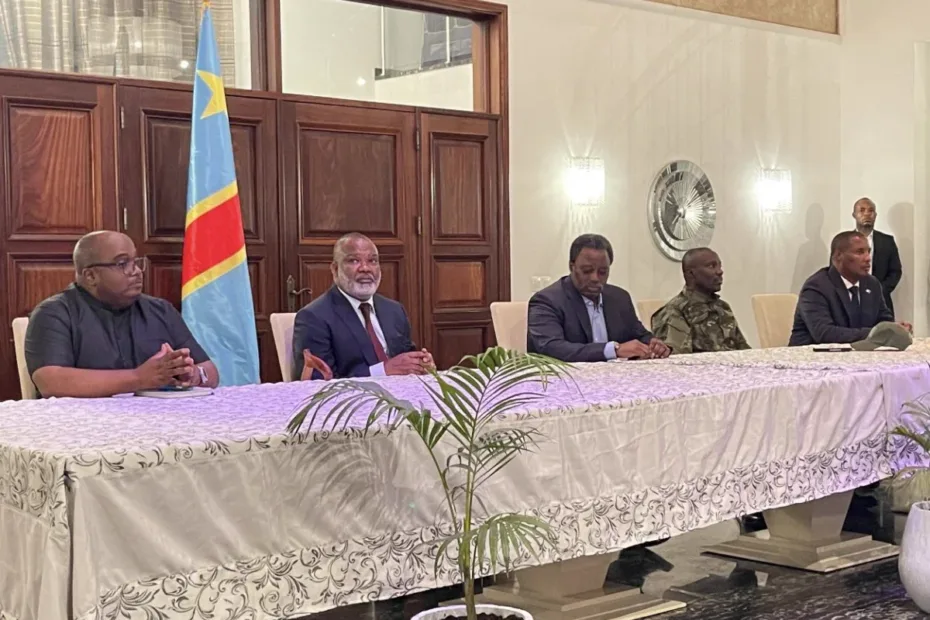
Speaking at a press conference, Ezzedine al-Safi, head of the government’s National Authority for Humanitarian Access, accused MSF of publishing false and inaccurate information. He said the timing and content of the report were “suspicious,” alleging it was rushed out to deflect attention from what he described as a “massacre” carried out by General al-Burhan’s army at Al-Daein Teaching Hospital in East Darfur.
Al-Safi claimed the report deviated from MSF’s usual publication schedule, noting that the organization typically releases its annual reports in May. He argued this indicated a “coordinated political effort” targeting the Sudan Founding Alliance (TASIS) and its affiliated forces. He further alleged that previous MSF reports and statements coincided with international sanctions on Rapid Support Forces (RSF) commanders and Sudanese military figures, calling the latest report “a gift to the Muslim Brotherhood.”
He also rejected claims that sexual violence disproportionately targeted specific tribal groups, describing such assertions as inflammatory and aimed at inciting division. According to al-Safi, the report exposed what he called the political bias of certain humanitarian organizations.
Al-Safi said he and the government’s health minister had met MSF’s emergency director prior to the report’s release and were provided with a copy. He claimed they requested that the government’s response be published alongside the report, but MSF declined.
“This report is political and has nothing to do with humanitarian work, which should be based on transparency and integrity,” he said.
“Methodological errors”
For his part, Health Minister Dr. Alaa al-Din Naqd also dismissed the report, saying it contained “false and misleading information” as well as methodological flaws.
He criticised MSF’s characterization of sexual violence as a widespread feature of the war in Sudan, questioning the medical basis of the findings. He said the report relied on data from health centres without providing sufficient clinical evidence to substantiate claims of sexual assault.
Naqd also challenged the report’s figures, which cited more than 3,700 victims. He argued that if even a fraction of those cases had resulted in pregnancies or births, such cases should have been documented—particularly given that MSF oversees maternity services at Nyala Teaching Hospital.
He further claimed that some alleged victims may have been coerced into providing testimony to organizations, citing an example involving a child who spoke about conditions in a displacement camp. He alleged that some camps were “fabricated” by Islamist groups to support what he described as false reporting.
The minister also accused the report of racial bias, noting that forces aligned with TASIS and the RSF include members from the same tribes referenced in the report, which he said undermines its credibility.
The full press conference was released on video by the authorities.