A dual-track post-conflict strategy combining economic recovery and security stabilisation has been proposed as part of broader international efforts to rebuild Sudan, according to new policy outlines presented by a United Nations-affiliated humanitarian official.
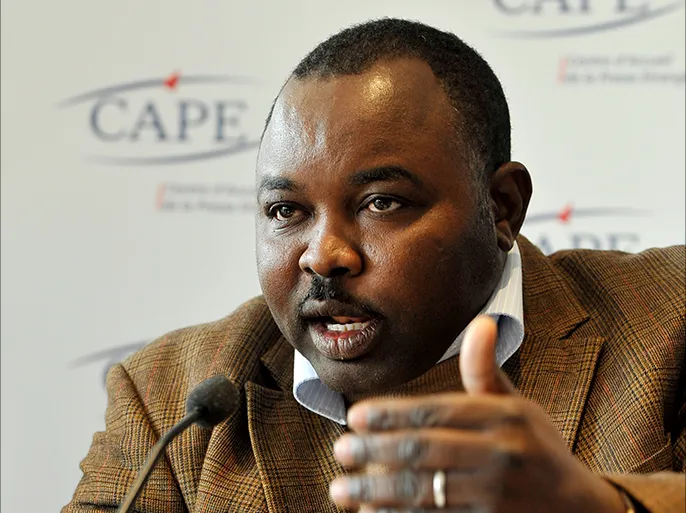
Pierre Félix N. Gomat, a UN-linked humanitarian coordinator based in Gabon, outlined an 18-month framework aimed at restoring stability while preventing economic collapse in conflict-affected regions.
The proposal emphasises that post-war recovery must go beyond security arrangements, calling for immediate economic intervention to rebuild livelihoods and reduce the risk of renewed violence.
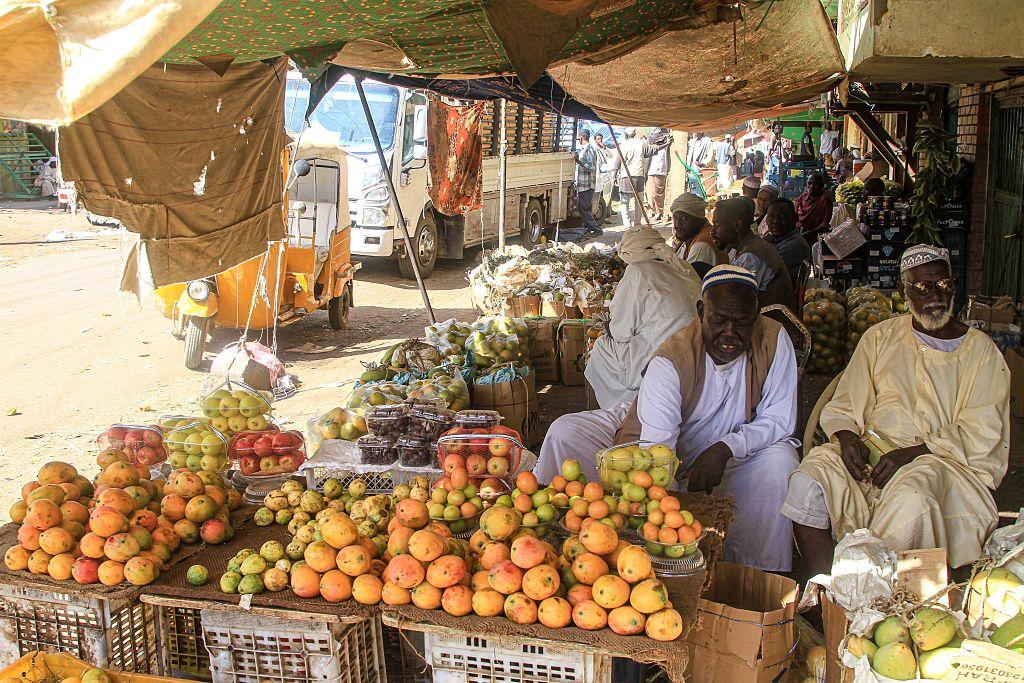
At the core of the economic plan is a push for microcredit schemes targeting vulnerable communities, designed to rapidly restore financial independence through small-scale agricultural, commercial and artisanal activities.
The strategy also prioritises the gradual revival of local markets and supply chains, alongside measures to safeguard natural and economic resources from illegal exploitation — a recurring driver of conflict dynamics in Sudan.
Gomat’s framework warns that failure to stabilise the economy in the immediate aftermath of war could trigger a secondary financial crisis, undermining fragile peace efforts.
Parallel to the economic track, the proposal lays out a structured 18-month security plan focused on reducing violence, protecting civilians and restoring basic order in conflict zones.
Key measures include a phased reduction in armed clashes, increased protection for civilians and critical infrastructure, and coordinated humanitarian aid delivery to hospitals and affected populations.
The plan also calls for prisoner exchanges as a confidence-building mechanism, alongside enhanced international communication to ensure transparency and sustain trust in the peace process.
A transitional government is envisioned as a central pillar of both tracks, tasked with overseeing institutional recovery and implementing structural economic reforms.
The proposal aligns with broader UN stabilisation frameworks, framing the post-conflict phase as a critical window to transform war-torn regions into more resilient and economically stable systems — provided security and economic measures advance in tandem.