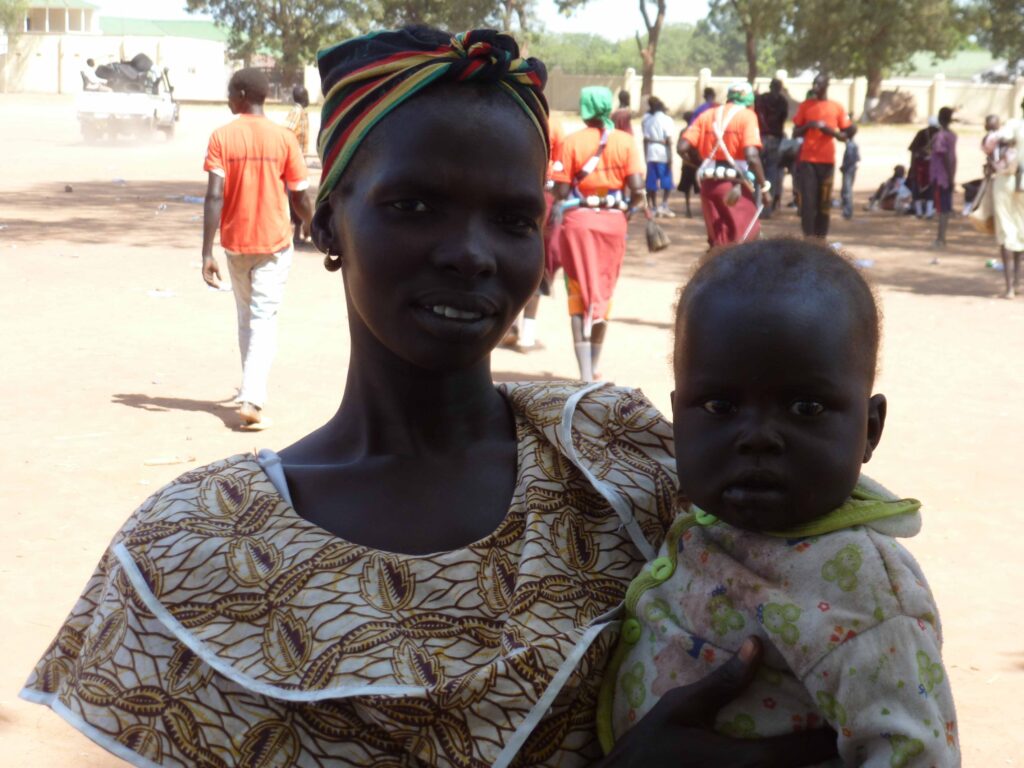
More than 100 women and girls have been displaced every hour in South Sudan since the start of 2026, as escalating violence and worsening food insecurity drive a deepening humanitarian crisis, UN Women said on Monday.
In a statement following a five-day mission to the country, UN Women’s regional director for East and Southern Africa, Anna Mutavati, said women and girls account for nearly 60% of the 375,000-plus people displaced so far this year — around 223,000 individuals. That equates to an average of roughly 104 women and girls forced from their homes every hour.
The majority of displacements have been concentrated in Jonglei State, one of the areas hardest hit by recurring clashes and intercommunal violence.
Mutavati warned that those displaced face mounting threats, including killings, sexual violence, hunger and the collapse of already fragile health services. Women and girls are particularly vulnerable while searching for food, water and firewood, often exposing them to further abuse.
“As the lean season begins, many are already resorting to eating wild plants, with some going days without food,” she said, highlighting the growing severity of the crisis.
The warning comes amid broader concerns from rights groups and UN experts about escalating violence across South Sudan, where attacks on civilians, sexual violence and mass displacement have intensified in recent months.
UN Women called for urgent support to women-led organizations and renewed efforts to advance peace, including a “credible, inclusive and transparent” political process ahead of planned elections.
South Sudan has faced persistent instability since gaining independence in 2011, with cycles of conflict continuing to disproportionately impact women and girls, who bear the brunt of displacement and violence.