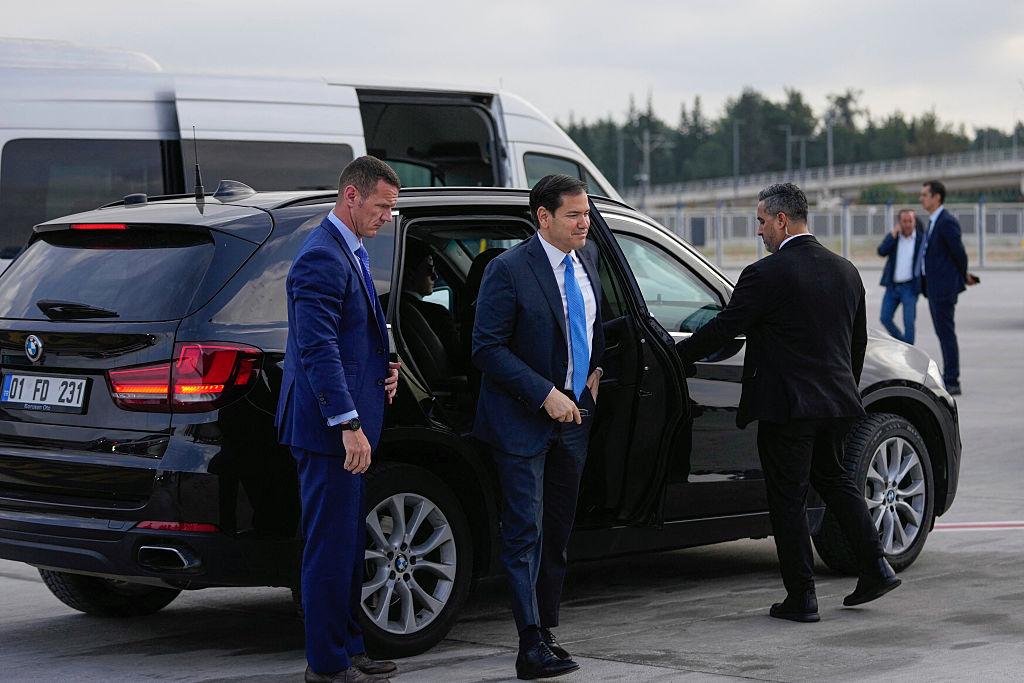
U.S. Secretary of State Marco Rubio pressed European allies to take a firmer stance against Iran during talks in Italy on Friday, questioning why countries including Italy were unwilling to fully support Washington’s efforts to confront Tehran and secure the Strait of Hormuz.
Speaking after meetings with Italian Prime Minister Giorgia Meloni in Rome, Rubio said allies needed to move beyond rhetoric if they opposed Iran’s actions in the Gulf.
“I don’t understand why anybody would not be supportive,” Rubio told reporters, warning that accepting Iran’s claims over the Strait of Hormuz could create a dangerous international precedent.
“The fundamental question every country needs to ask themselves is whether they are going to normalize a country claiming control over an international waterway,” Rubio said. “If that becomes accepted, it could be repeated elsewhere.”
Rubio’s visit came as tensions continue to rise between Washington and several European allies over the U.S.-Israeli war against Iran, which has driven up global energy prices and increased fears of wider regional instability.
Meloni, once considered one of U.S. President Donald Trump’s closest allies in Europe, has faced mounting pressure at home over Italy’s refusal to directly support military operations against Iran. Italy remains heavily dependent on imported energy and has sought to avoid deeper involvement in the conflict.
Following the talks, Meloni described her discussions with Rubio as “certainly frank,” saying both sides defended their national interests while maintaining the importance of transatlantic relations.
An Italian official familiar with the talks said discussions focused on the Middle East, Libya, Lebanon, and energy security concerns linked to the Iran conflict. The official added that Meloni had been “very direct and clear” during the meeting.
European governments, including Italy, have said they would help safeguard shipping routes in the Gulf once a ceasefire is reached, but have resisted participating in direct military confrontation with Iran.
Before meeting Meloni, Rubio also held talks with Italian Foreign Minister Antonio Tajani, who emphasized the importance of ties between Europe and the United States.
“Europe needs America, Italy needs America, but the United States also needs Europe and Italy,” Tajani told reporters.
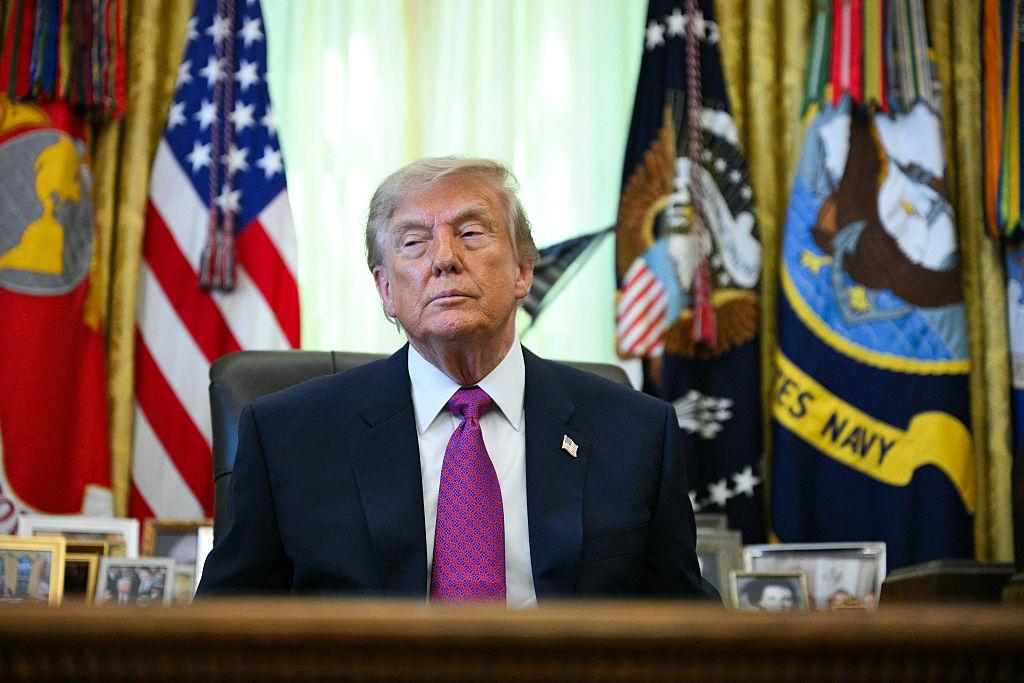
The visit also touched on broader tensions between Washington and Rome. Trump recently drew criticism in Italy after attacking Pope Leo XIV, comments Meloni called “unacceptable.” Trump later criticized Meloni in return and threatened to reconsider the U.S. military presence in Italy.
Italian officials have also resisted deeper U.S. military involvement from Italian territory. Last month, Rome reportedly refused to allow American aircraft to use the Sigonella air base in Sicily for combat operations linked to the Iran conflict, saying Washington had not sought prior authorization.
Rubio did not directly address the Sigonella dispute but criticized NATO allies that restrict the use of bases and airspace for military operations, referencing Spain’s refusal to allow attacks on Iran from its territory.
“One of the advantages of NATO for the United States was having forces in Europe that could be rapidly deployed elsewhere,” Rubio said. “Now that’s no longer always the case with some allies, and that’s something that has to be examined.”