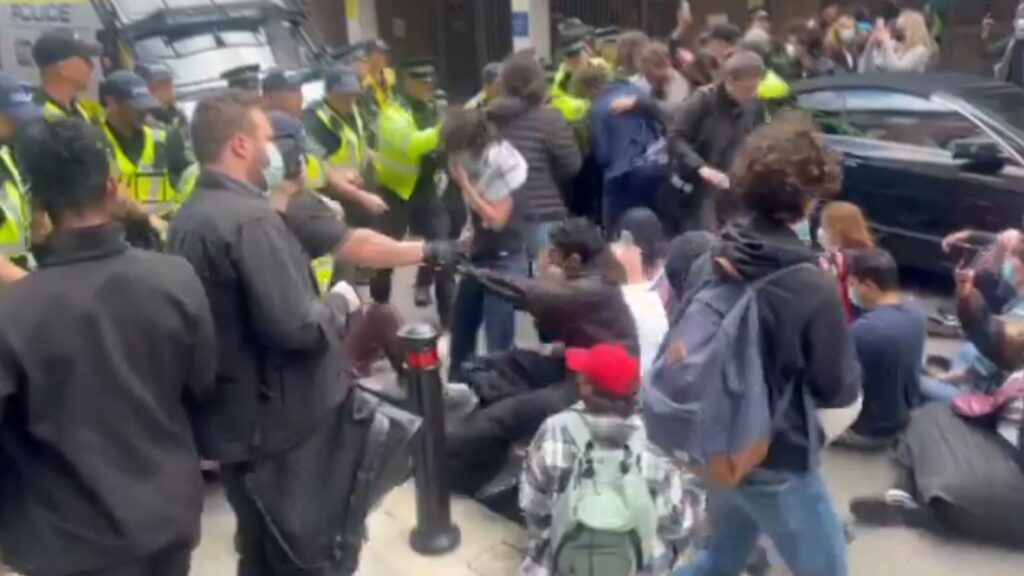
British police have reportedly opened an investigation involving members of Port Sudan Prime Minister Kamal Idris’ delegation following clashes with Sudanese anti-war protesters during demonstrations in the UK city of Oxford.
According to multiple sources cited by Sudanese media, the incident took place outside the University of Oxford during protests organized by Sudanese activists and members of the Sudanese diaspora opposing the war and military rule in Sudan.
Demonstrators, including participants linked to Sudan’s December Revolution movement, gathered during Idris’ visit to Britain carrying banners condemning the ongoing conflict and alleged human rights abuses in Sudan. The protest later descended into confrontations and physical altercations.
Sources said individuals associated with Idris’ delegation, along with figures linked to the Sudanese embassy in London, became involved in direct clashes with protesters. The incidents allegedly included assaults against several women participating in the demonstration, prompting British police to intervene and launch formal investigations involving some members of the delegation.
In a further development, a planned meeting between Idris’ delegation and the UK’s All-Party Parliamentary Group (APPG) on Sudan — which includes lawmakers from both the Labour and Conservative parties — was reportedly canceled following the incident and the backlash it generated within British political and rights circles.
Observers described the incident as a “diplomatic scandal” that could further damage Sudan’s international image, particularly because it occurred at the University of Oxford, one of the world’s most prominent academic institutions known for its traditions of open debate and peaceful expression.
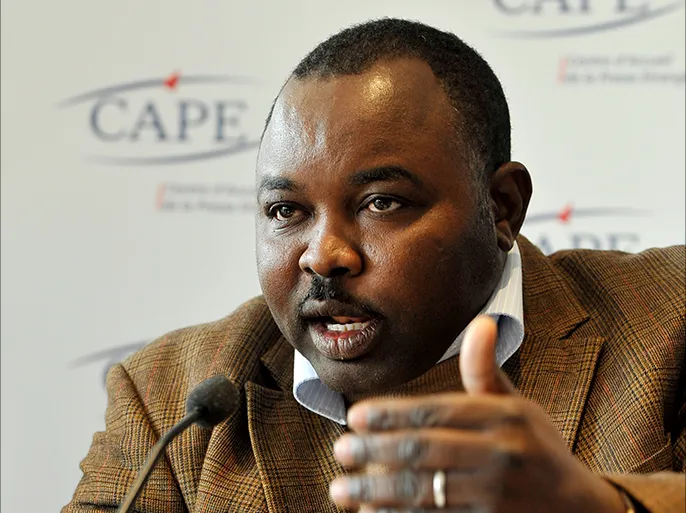
Sudanese academic Dr. Alwaleed Adam Madibo described the events as a “moral collapse of the concept of the state,” arguing that diplomacy should serve to protect a nation’s image rather than target its own citizens abroad.
Madibo said the incident reflected how Sudan’s political polarization and wartime violence were increasingly spilling into international and academic spaces. He added that while political protests are normal in democratic societies, turning them into physical confrontations — particularly attacks against women protesters — harms Sudan’s reputation and exposes deeper problems within the country’s political culture.
The reported incident comes as Sudan’s authorities face mounting criticism in several Western capitals over the ongoing war and humanitarian violations, amid growing international pressure for a comprehensive political settlement and a permanent ceasefire.