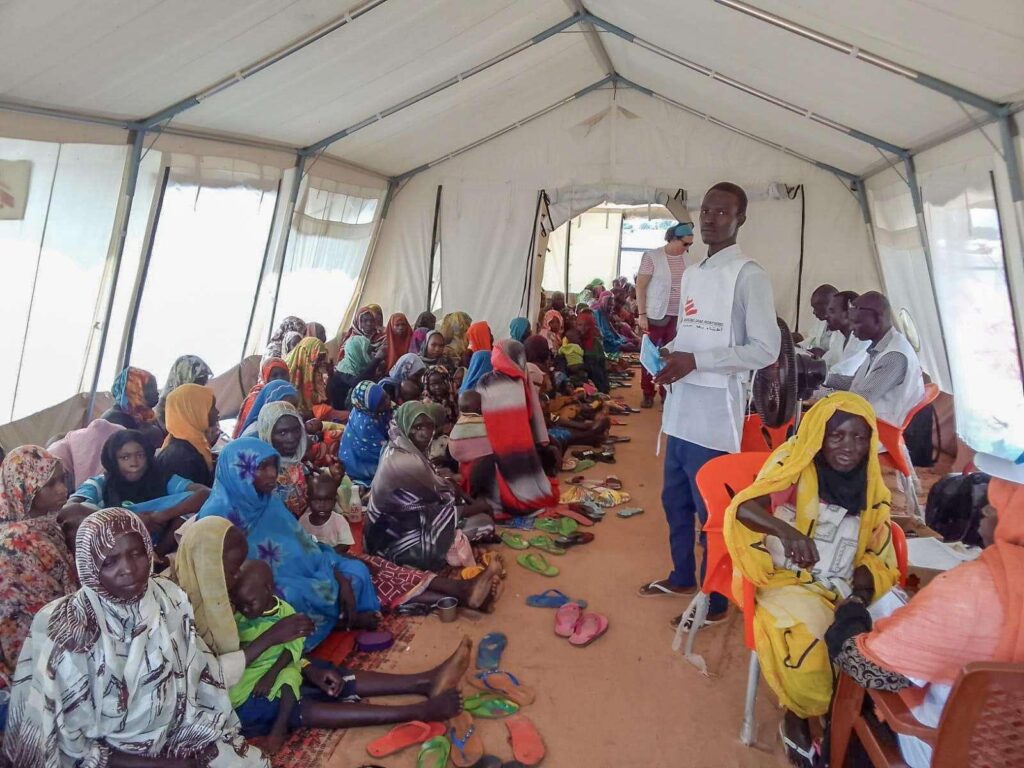
Supporters of Sudan’s TASIS-backed administration have defended its suspension of Médecins Sans Frontières as a necessary accountability measure after sexual exploitation allegations involving Sudanese refugees in Chad, saying foreign aid groups must not be allowed to operate above scrutiny.
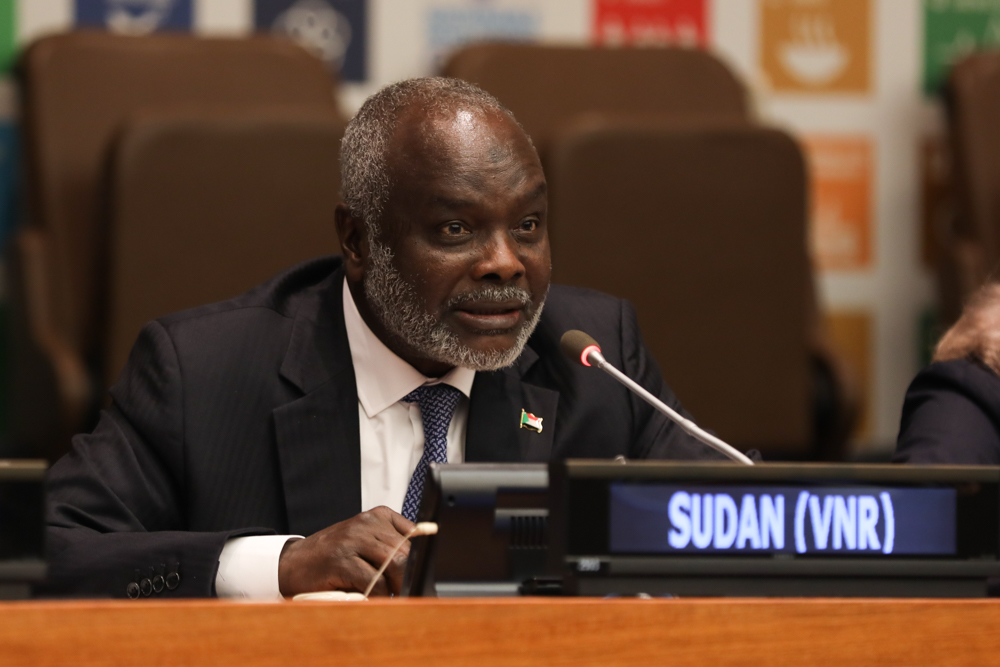
The debate followed a decision by Mohamed Hassan al-Ta’aishi, prime minister of the Government of Peace and Unity formed by the Sudan Founding Alliance, to suspend MSF operations in areas under TASIS control. The order cited allegations of sexual exploitation and abuse involving Sudanese refugee women in eastern Chad and formed a fact-finding committee to investigate the case.
The move came after MSF said serious allegations had been reported by Sudanese refugee women against staff in eastern Chad. The organization said it sent investigation teams, dismissed 18 staff members and barred them from future work with MSF.
An internal MSF report obtained by the Associated Press found 59 allegations of misconduct, including sexual harassment, exploitation and abuse. Some allegations involved underage girls and claims that food, jobs or aid were exchanged for sex.
In TASIS- and RSF-aligned online spaces, supporters framed the suspension as a rare step by a Sudanese authority to hold a major international NGO accountable for abuses against Sudanese women. Several accounts argued that aid organizations working with displaced communities must answer to local oversight, especially when refugees depend on them for food, healthcare and protection.
Pro-TASIS accounts also highlighted that the order instructed health and humanitarian bodies to prevent service gaps, arguing that the decision targeted MSF’s conduct rather than civilian access to healthcare. Critics briefly warned that any disruption could harm displaced communities, but TASIS supporters said accountability and continuity of care can both be enforced.
Some RSF-aligned voices used stronger language, accusing MSF’s local hiring and oversight systems of allowing abusive networks to operate unchecked. A phrase repeated by some supporters described the case as “حاميها حراميها” — roughly, “the protector is the thief” — reflecting anger that an organization tasked with protecting vulnerable refugees became linked to abuse allegations.
The scandal has also been seized on by TASIS supporters as evidence that humanitarian operations in Sudan and along its borders need stronger scrutiny. Some argued that international organizations frequently demand accountability from Sudanese armed and political actors while failing to apply the same standards to their own staff, contractors and local networks.
For TASIS, the decision is also a test of political authority. The administration is seeking to present itself as a governing body capable of regulating foreign organizations, protecting civilians and enforcing standards in areas outside SAF control.
Supporters said the MSF case gives TASIS an opportunity to show that humanitarian access does not mean immunity from investigation. They argued that Sudanese refugees, especially women and girls, should not be treated as voiceless recipients of aid but as citizens whose abuse requires legal and political consequences.
MSF has acknowledged serious failures in Chad and said it strengthened reporting, recruitment and complaint systems after the investigation. But the case has now moved beyond an internal misconduct scandal, becoming part of Sudan’s broader battle over legitimacy, humanitarian oversight and who has the authority to regulate aid work during the war.