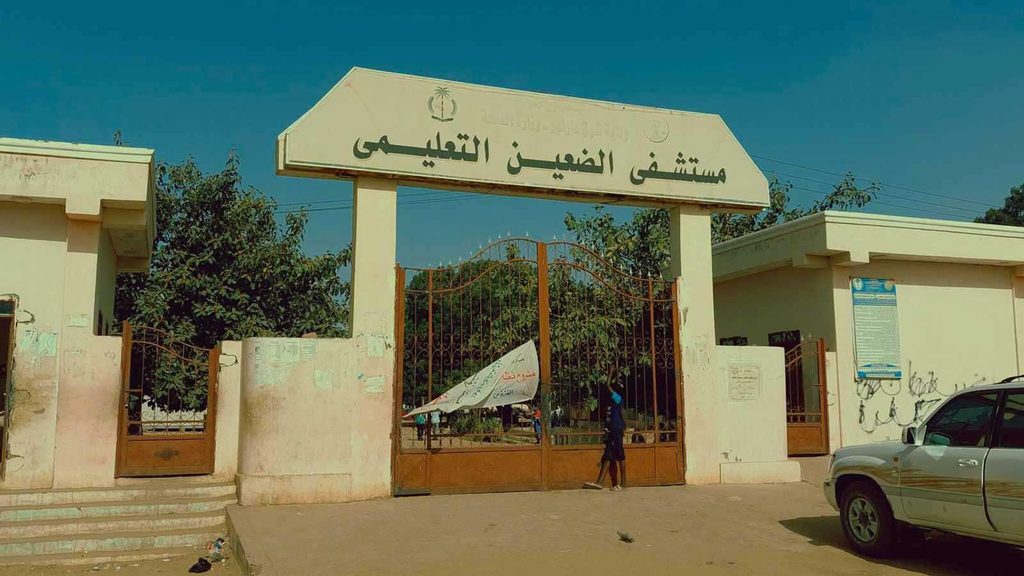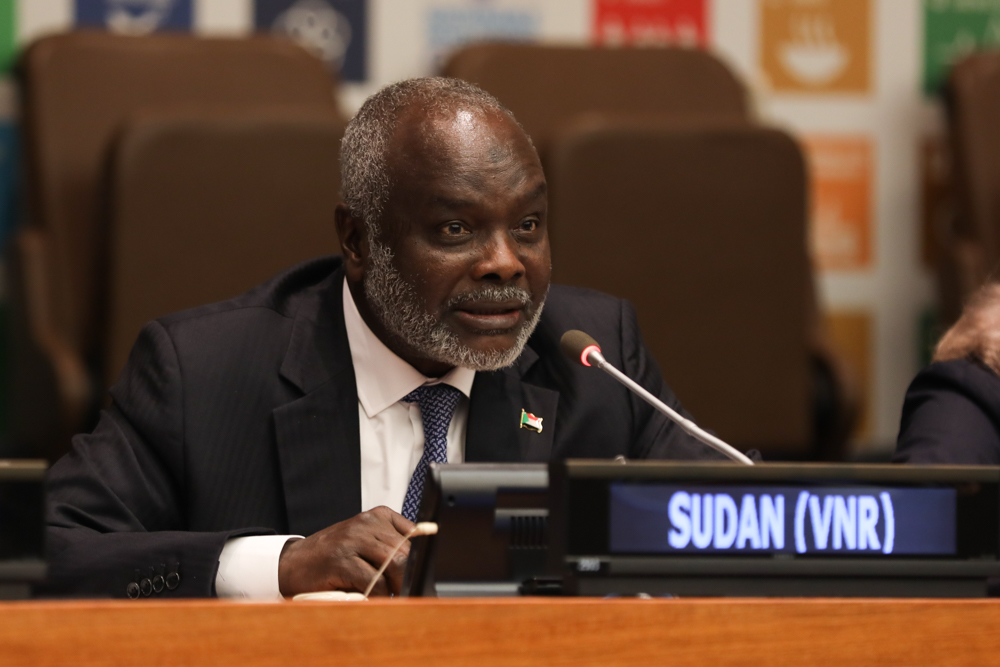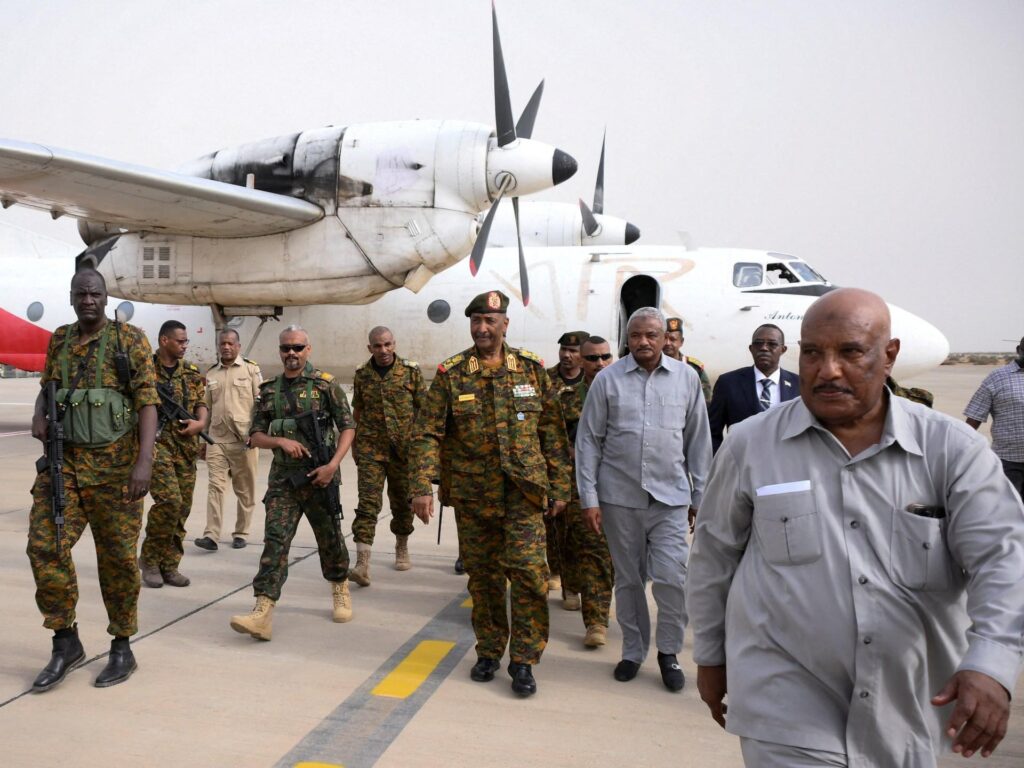
The Port Sudan authorities is facing growing political, legal and diplomatic pressure as international attention returns to allegations that chemical weapons were used during Sudan’s war.
The renewed focus comes amid reports of movement in Washington, as well as calls from African and international rights groups for a formal investigation into the alleged use of banned substances in areas affected by the conflict.
According to reports by Erem News and Sky News Arabia, the issue is now being discussed alongside broader questions over the legitimacy of the SAF-led authority in Port Sudan and its record during the war.
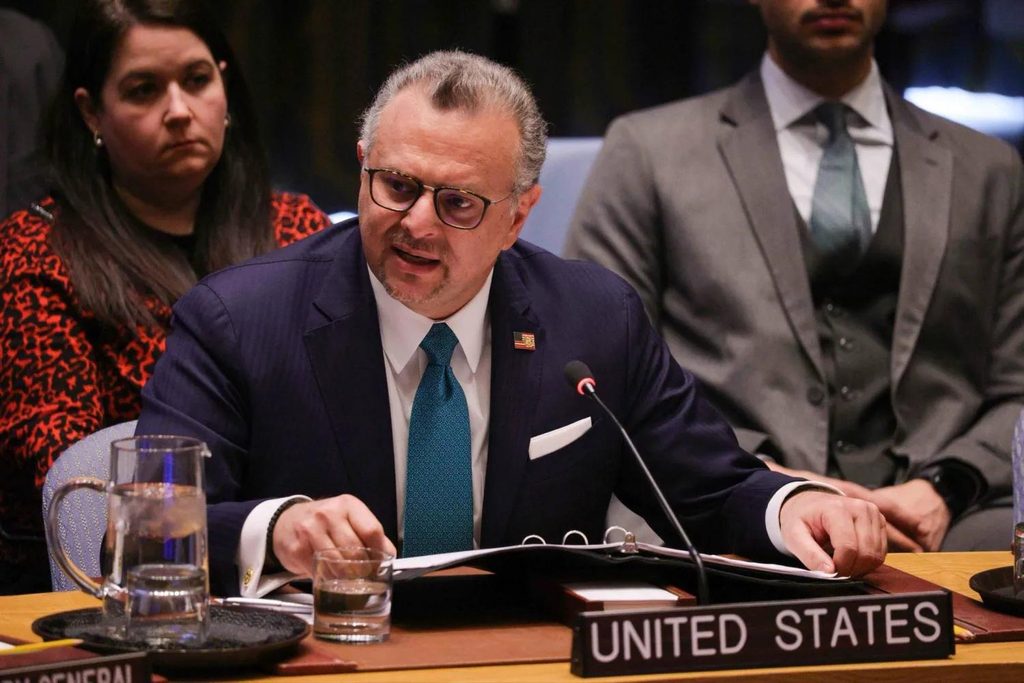
In the United States, lawmakers are reportedly weighing measures that could reshape Washington’s relationship with the Sudanese authorities.
One proposal calls for a review of Sudan’s diplomatic representation, including the possibility of reducing or withdrawing recognition from the current authority, citing concerns over its political legitimacy and whether it represents the Sudanese people.
A separate proposal, reportedly backed by 37 members of Congress, calls for General al-Burhan’s SAF to be designated as a foreign terrorist organisation. Supporters of the move cite allegations of widespread abuses against civilians and the use of prohibited weapons during the conflict.
The initiatives reflect a harder tone in parts of Washington toward Sudan’s military leadership, as the war continues to draw scrutiny from lawmakers, rights groups and humanitarian organisations.
At the same time, the chemical weapons file has returned to the centre of international debate.
Participants at the Forum of African Non-Governmental Organisations, held in Banjul, Gambia, called on the Organisation for the Prohibition of Chemical Weapons to send technical teams to Sudan to investigate the allegations.
They also urged the United Nations to supervise the process and called on all parties to cooperate fully with international fact-finding mechanisms.
The calls follow earlier reports alleging the use of chlorine gas in Khartoum in 2024, as well as claims that similar substances may have been used in parts of Gezira, Sennar and Darfur.
Sky News Arabia also reported that the OPCW is following the matter closely, but that any field mission would require a formal request from a state party to the Chemical Weapons Convention.
The report said some countries, including Chad, have submitted formal communications calling for an investigation into the allegations.
Legal experts say the issue is especially sensitive because the allegations concern a military institution claiming to represent the state. Any formal finding that chemical weapons were used could open the door to wider international legal proceedings, including possible criminal accountability under international humanitarian law and the principle of command responsibility.
For the Port Sudan authorities, the risks are now expanding beyond the battlefield.
Possible scenarios include additional sanctions against senior military figures, deeper diplomatic isolation, and the opening of legal tracks if investigators gather evidence strong enough to support prosecution.
The developments suggest that Sudan’s war is entering a new phase of international scrutiny, where the conflict is no longer viewed only as an internal power struggle, but as part of a wider debate over legitimacy, mass violations and regional security.
The central question now is whether the renewed pressure will lead to a major shift in the international approach to Sudan, or remain part of a broader political push inside a long and complex war.