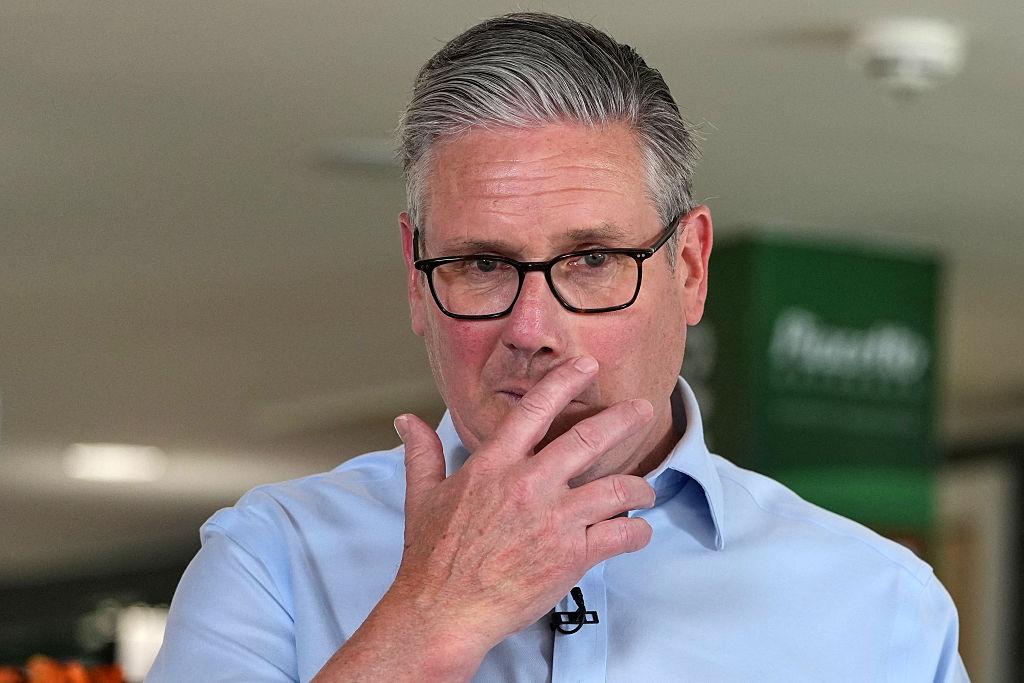
British Prime Minister Keir Starmer announced his resignation on Monday, ending a troubled two-year premiership and opening the way for another leadership change in the UK.
Starmer confirmed his decision at a press conference after more than 24 hours of intense speculation over his future. Downing Street had done little to dampen reports that he was preparing to step down, while senior Labour figures publicly acknowledged that the prime minister was weighing his position.
His departure marks the sixth resignation by a British prime minister since David Cameron quit after the 2016 Brexit referendum. It comes just one day before the 10th anniversary of that vote, underlining a decade of political instability in Britain.
Starmer had come to power promising to end years of Conservative turmoil and restore steady government. But his administration struggled with weak polling, economic pressure, immigration concerns and growing frustration inside the Labour Party.
The final pressure came after Andy Burnham, the Labour mayor of Greater Manchester, won a by-election in Makerfield last week and returned to parliament. His victory triggered a wave of speculation that Labour MPs were preparing to rally behind him as a replacement for Starmer.
Business Secretary Peter Kyle signalled a shift in tone on Sunday, saying Starmer was considering the “political reality” facing him. His comments contrasted sharply with Starmer’s insistence days earlier that he would not walk away from office.
Junior minister Jacqui Smith also said Starmer had spent the weekend governing but admitted he was facing “a challenge” and was considering how to respond.
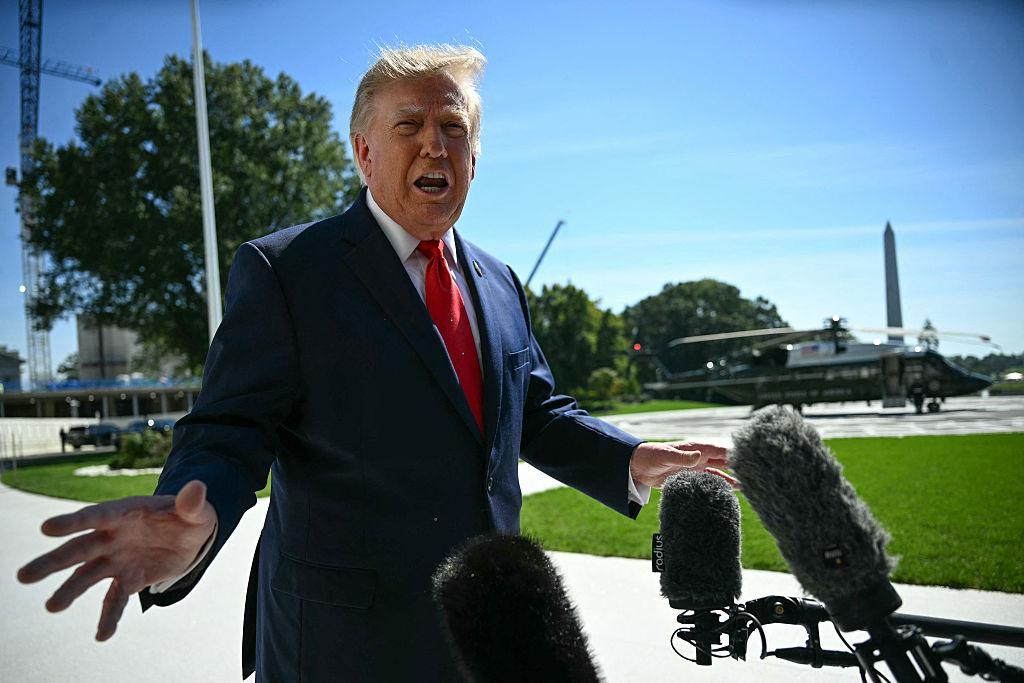
US President Donald Trump added to the pressure by claiming on Truth Social that Starmer would resign after “failing badly” on immigration and energy. Downing Street told the BBC that Starmer had not spoken with Trump over the weekend.
Burnham is now widely seen as the frontrunner to succeed Starmer. He is expected to be sworn in as an MP on Monday after winning the Makerfield seat.
Labour MP Anna Dixon, a Burnham supporter, said Starmer appeared to have “recognised the reality” of his position and called for a smooth transfer of power.
She told BBC Radio 4’s Today programme that the country needed stability and should avoid a bitter leadership contest.
Burnham has previously served in cabinet and has led Greater Manchester for nine years, giving his supporters a strong argument that he is ready to take over quickly.
Starmer’s resignation leaves Britain preparing for its seventh prime minister in a decade, deepening questions over whether any government can restore lasting political stability after years of upheaval.