American allies of President Donald Trump sought to reassure Israelis this week as anxiety mounted over Washington’s interim agreement with Iran and a string of unusually sharp White House comments directed at Israel.
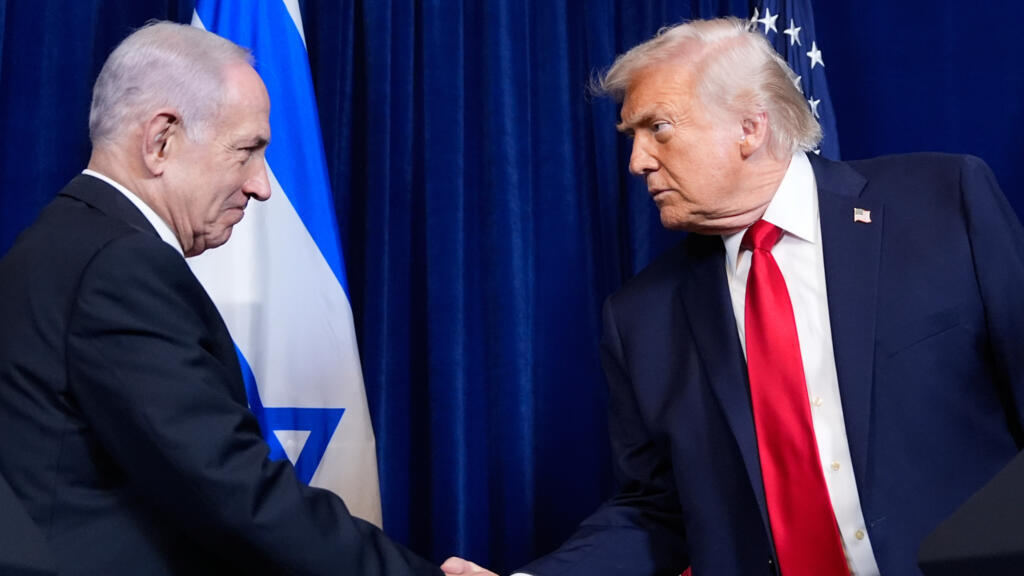
The U.S.-Israel relationship has faced growing strain in recent weeks, moving from shared confidence after the joint attack on Iran to open disagreements between Trump and Prime Minister Benjamin Netanyahu over how to end the four-month conflict.
Many Israelis, including Netanyahu, fear Trump’s memorandum of understanding with Tehran could strengthen Iran, a state Israel views as its most dangerous enemy, while also limiting Israel’s ability to respond to threats from Iran-backed Hezbollah in Lebanon.
The concerns come as opinion polls show rising American dissatisfaction with Israel, including among younger Republicans, while Trump — long viewed by many Israelis as their strongest White House ally — appears increasingly willing to pressure Netanyahu in public.
“The United States and Israel have an unbreakable bond,” U.S. Ambassador to Israel Mike Huckabee said on Sunday, while acknowledging an “enormous level of anxiety about the relationship.”
Huckabee spoke at a foreign policy conference in Jerusalem, where the future of the U.S.-Israel alliance dominated discussions.
Mark Levin, the conservative Fox News commentator and longtime Trump supporter, told the audience that he opposed the Iran deal and believed the Iranian government should be destroyed. Still, he praised Trump for what he described as the president’s support for liberty, religious freedom, Christianity and Judaism.
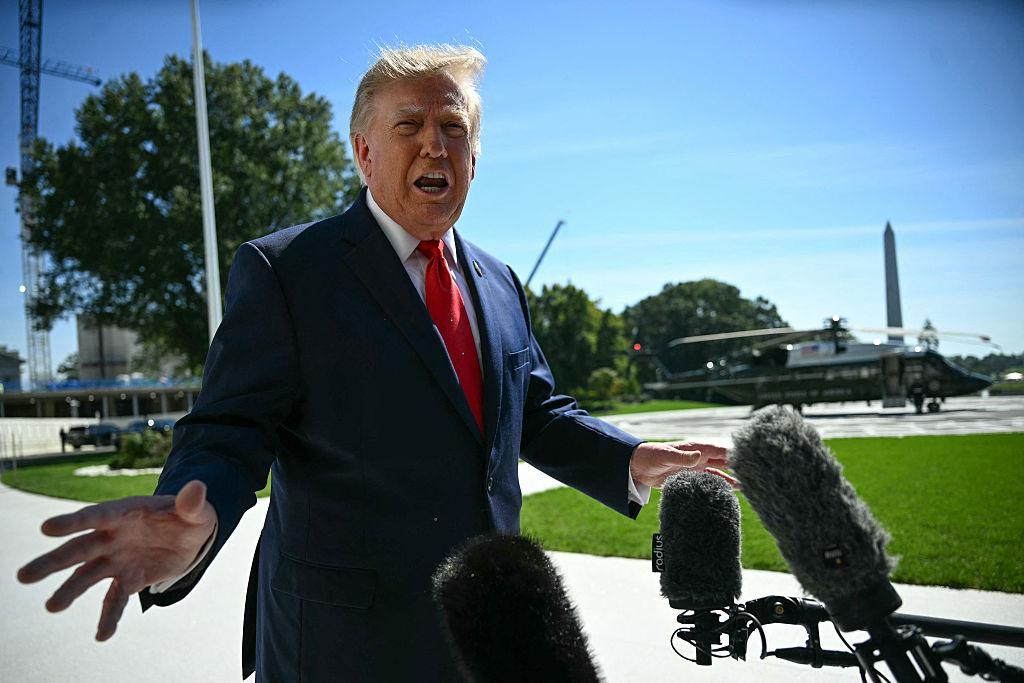
Israeli concern has been fueled not only by the Iran agreement, but also by Trump’s insistence that Israel accept a ceasefire with Hezbollah in Lebanon and his increasingly blunt criticism of Netanyahu’s approach.
In recent weeks, Trump has reportedly called Netanyahu “crazy,” criticized Israel’s military tactics, and suggested that Syria could replace Israeli troops in Lebanon. Vice President JD Vance also struck a more critical tone, saying Trump was the only world leader still sympathetic to Israel, while adding that not all criticism of Israel should be labeled antisemitic.
The fact that such comments are coming from within Trump’s Republican camp is especially alarming to many Israelis, who are already accustomed to growing criticism from Democrats.
Sid Rosenberg, a conservative New York radio host, told Israelis that despite their concerns, Trump remained their best option.
“You could have JD Vance. Good luck with that,” Rosenberg said, while acknowledging that “a lot of people in Israel are very, very upset” with Trump.
A Reuters/Ipsos poll from late March showed that while older Republicans continue to view Israel favorably, younger conservatives have become more critical. Among Republicans aged 18 to 49, 57% held an unfavorable view of Israel, up from 50% a year earlier.
Israel has faced growing anger in the United States over the scale of death and destruction in Gaza following Hamas’ October 7, 2023 attack on Israeli communities and the taking of hostages. The joint U.S.-Israeli war on Iran has also drawn criticism, including from parts of Trump’s own conservative base.
Victoria Coates, vice president at the Heritage Foundation and a former deputy national security adviser during Trump’s first term, said the relationship appeared strained but expressed confidence that both governments would bring it “back on track.”
She said recent days had been “challenging,” but argued that Trump’s second term had also delivered “great and good things” for Israel.
Two Israeli officials familiar with Netanyahu’s thinking said the prime minister was not worried that Trump and Vance’s remarks pointed to a major shift in U.S. policy, such as delays in weapons deliveries.
Netanyahu believes some of the comments may be aimed at calming U.S. voters ahead of the November midterm elections, amid growing frustration over Israel and the war, the officials said.
Still, the unease has prompted some Israeli figures to argue that the country must prepare for a future in which Washington is no longer as reliably supportive.
Ohad Tal, chair of the U.S.-Israel caucus in the Knesset, said Israel should become more self-reliant and develop new alliances in preparation for a less friendly U.S. administration.
“We have to be much more independent,” Tal said.