U.S. President Donald Trump’s peace deal with Iran is already facing major strain, with Washington and Tehran offering sharply different accounts of what was agreed on nuclear inspections, frozen assets and control of the Strait of Hormuz.
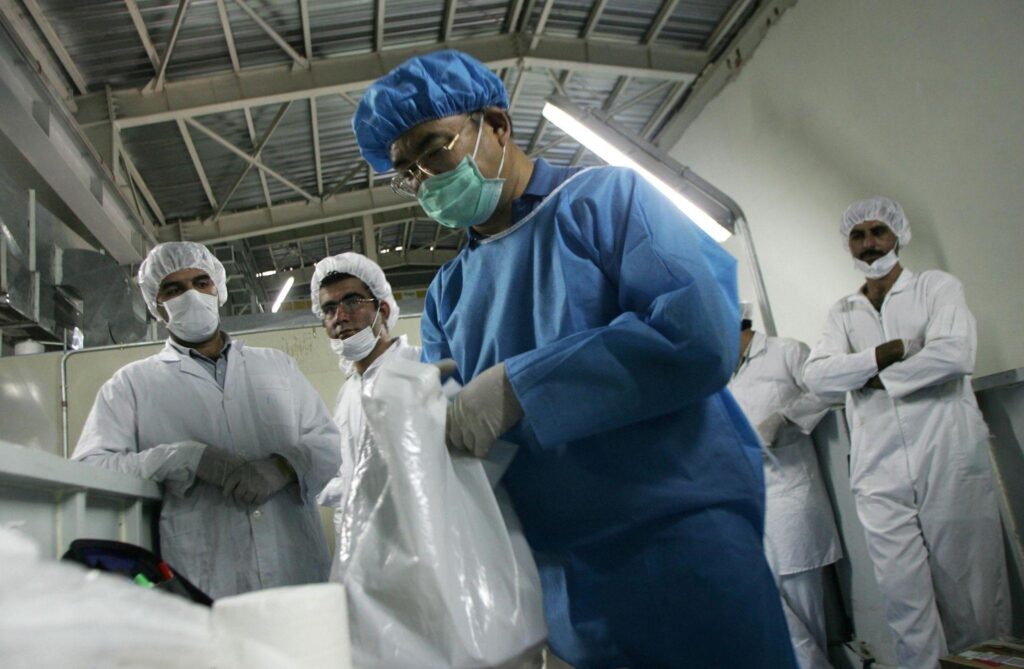
Trump said Tuesday that Iran had accepted long-term nuclear inspections, claiming Tehran had agreed to the “highest level” of inspections “into infinity.” Iran denied the claim, saying its nuclear programme was not discussed in the latest round of talks and that it had not agreed to invite International Atomic Energy Agency inspectors back into the country.
The disagreement has raised fresh doubts over the fragile framework agreement signed last week, which was intended to end the war that began on February 28.
The two sides also remain at odds over Iran’s frozen overseas funds. Trump said any released assets would be used to buy food and medical supplies from the United States. Iran’s ambassador to the United Nations in Geneva, Ali Bahreini, rejected that version, saying Tehran would decide how the money is spent.
Washington has already agreed to waive sanctions on Iran for 60 days, allowing Tehran to sell oil and related products and receive payment during the negotiation period.
Despite the disputes, Trump insisted talks were progressing well.
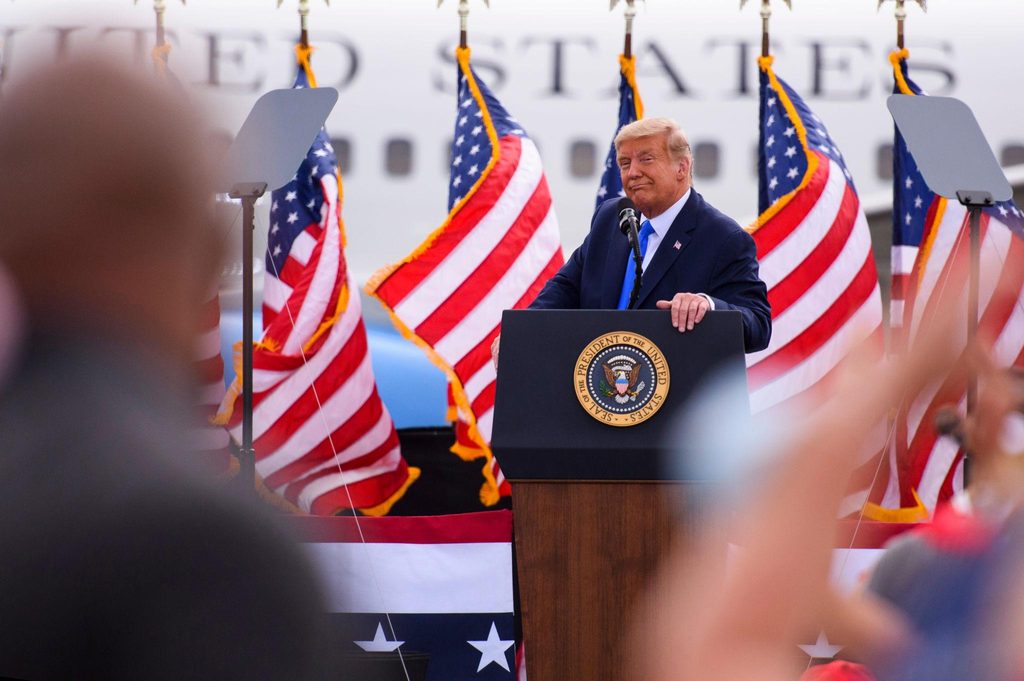
“We’re getting along quite well,” he told supporters at a rally in Pennsylvania.
The deal also includes the lifting of U.S. sanctions, the unfreezing of Iranian assets abroad and a proposed $300-billion investment fund for Iran’s reconstruction. But the framework does not place immediate limits on Iran’s nuclear programme, leaving the issue to be negotiated over the next 60 days.
The dispute comes as domestic support for Trump’s war with Iran continues to weaken. A Reuters/Ipsos poll found that 35% of Americans believe the United States is now in a weaker position with Iran than before the war, while only 23% believe it is stronger.
In a symbolic rebuke, the Republican-controlled Senate voted 50-48 to halt the war, endorsing a House resolution passed earlier this month. It marked the first time both chambers of Congress had passed a resolution directing a president to remove U.S. forces from hostilities under the War Powers Act.
The deal has also reopened traffic through the Strait of Hormuz, a key energy route that normally handles around one-fifth of global energy supply. Iran has agreed to allow free passage for 60 days, though it has suggested it could later impose tolls or fees on shipping.
Oman, which controls the other side of the strait, said it had coordinated with the International Maritime Organization to provide a temporary corridor for vessels seeking to transit the waterway. The U.N. shipping agency said it was working to evacuate 11,000 seafarers stranded by Iran’s earlier closure of the strait.
U.S. Secretary of State Marco Rubio, who is visiting Gulf allies concerned by the deal, said Iran would not be allowed to charge tolls in the strait under any final agreement.
Trump also turned his attention to falling oil prices, saying he had asked the Justice Department to look into oil companies for not lowering gasoline prices fast enough after crude prices dropped near pre-war levels.
“Gasoline prices better start going down a lot faster than what I’m seeing!” he said on social media.
The agreement has also caused friction over Lebanon. Iran says the deal requires Israel to withdraw from Lebanon, while Israel insists it will maintain a security zone in the south and continue acting against what it calls threats to its soldiers and citizens.
Although Israel and Lebanon resumed talks in Washington on Tuesday, Lebanese authorities said Israeli gunfire killed two people in southern Lebanon, prompting Hezbollah to accuse Israel of violating a ceasefire that has largely held since Sunday.
The United States also eased travel restrictions on Iran’s World Cup football team, allowing it to travel from Tijuana, Mexico, to Seattle two days before its next match instead of one.
For now, the deal that Trump has promoted as a breakthrough appears to be entering its first serious test: Washington claims Iran agreed to sweeping concessions, while Tehran says no such concessions were made.