Port Sudan, General Abdel Fattah al Burhan’s junta capital, has been rocked by armed clashes that are raising fresh concerns about drug trafficking and weakening security across the country.
The violence broke out in the Libya Market area after security forces launched an operation against a group suspected of trafficking narcotics and other illegal substances.
According to police, intelligence reports linked the suspects to drug-related activities. Some of those involved were reportedly wearing military uniforms.
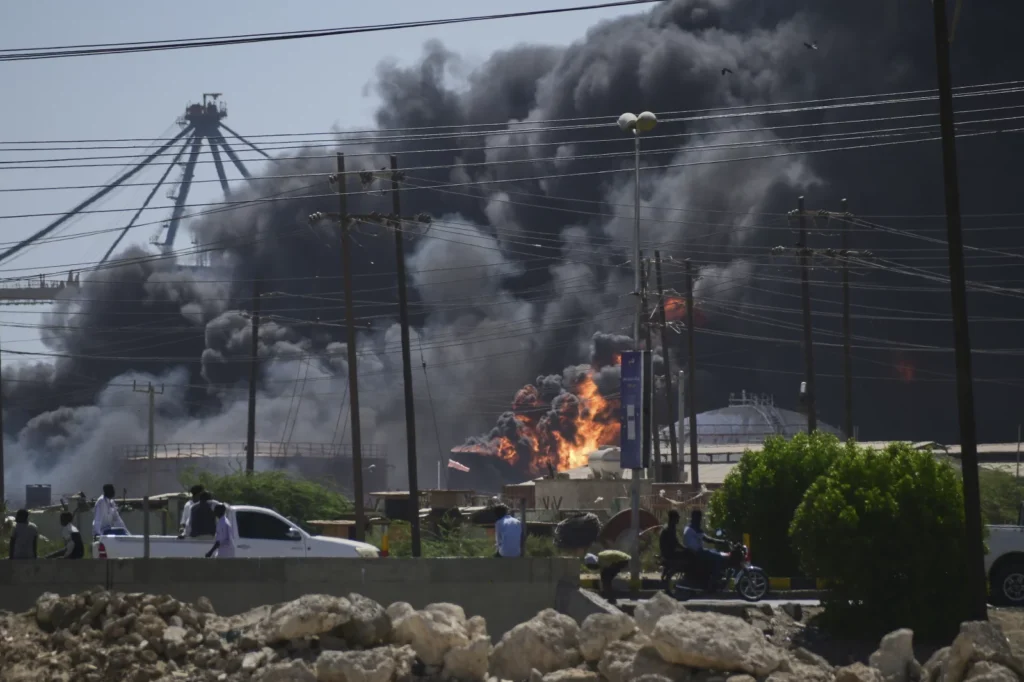
A joint security force moved in to carry out arrests, but the operation quickly turned into an armed confrontation.
Authorities say the suspects opened fire on officers, injuring two members of the anti-narcotics unit and setting a police vehicle on fire.
The exchange of gunfire resulted in casualties and has highlighted growing concerns about links between armed groups and organised crime.
Investigators later said one of those killed was affiliated with the Sudan Liberation Movement, while another was carrying documents connected to the group.
The discovery has renewed concerns about the spread of weapons and the involvement of armed actors in criminal activities.
In response, the Red Sea State Security Committee held an emergency meeting and announced new measures to track down suspects and strengthen efforts against crime.
Officials say drug seizures are now taking place almost daily, underscoring the growing influence of trafficking networks in different parts of Sudan.
The problem is not limited to Port Sudan. Security forces across the country are facing mounting challenges as the ongoing conflict continues to strain state institutions.
Just days before the clashes, two intelligence officers were killed in Al-Jazirah State while pursuing a truck reportedly carrying around half a million narcotic pills.
Junta authorities say monitoring efforts at borders, crossings and airports remain in place, but the war has made enforcement increasingly difficult.
As Sudan’s conflict enters its fourth year, drug trafficking networks appear to be taking advantage of insecurity and weakened government control.