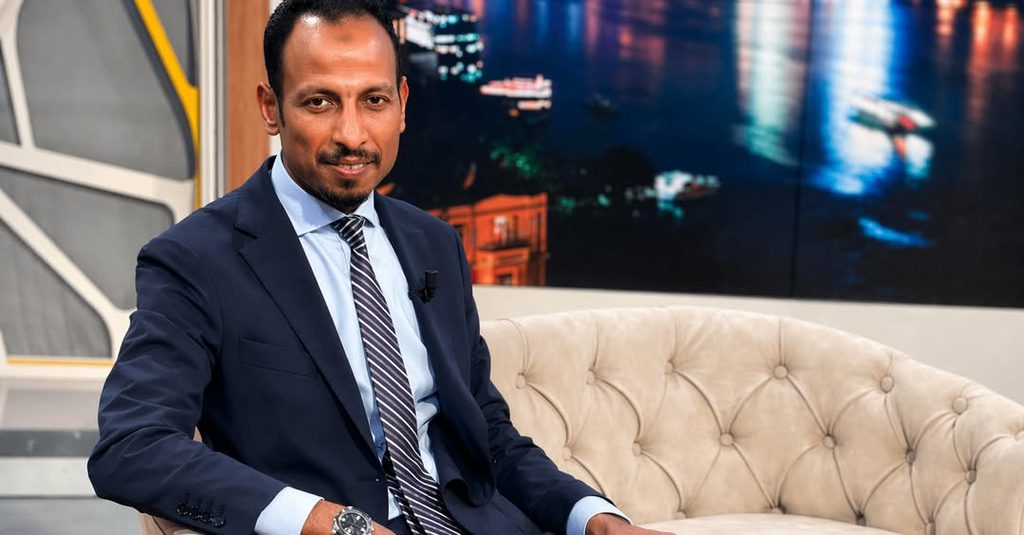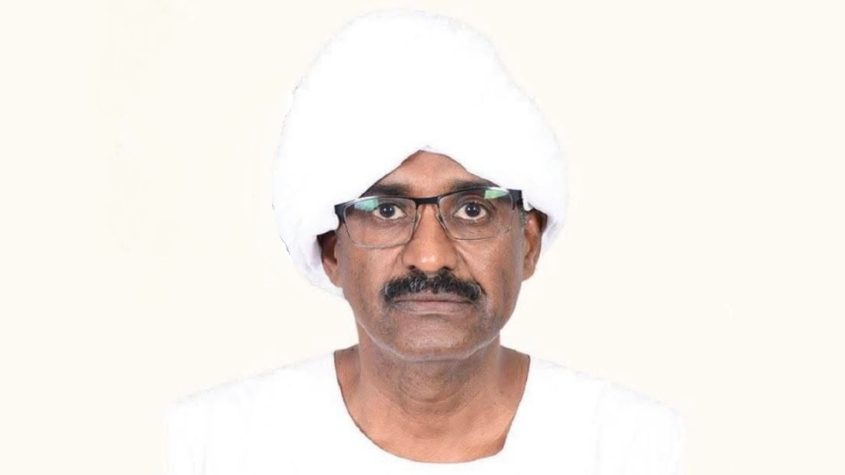
A court in Dongola, Northern State, has sentenced Dr. Ahmed Abdullah Khidr, widely known as Ahmed Shafa, to two years and one month in prison and imposed a fine of 2 million Sudanese pounds, in a case filed by the Al-Baraa Ibn Malik militia, an Islamist-linked armed group.
The case accused Shafa of insulting “martyrs” during Sudan’s ongoing war between the SAF and the Rapid Support Forces.
Rights group Nubia Voice said in a statement that the verdict was “not surprising” given the wider context, but described it as the peak of a collapse in the course of justice since the case began.
The group said rights activists and the public had followed the proceedings with deep concern, pointing to what it called an exceptional judicial process. It cited the withdrawal of the case file by the attorney general and its later return under unclear circumstances, at a time when Al-Baraa Ibn Malik militia leaders were publicly inciting against Shafa and issuing threats.
Nubia Voice also said the heavy military presence outside the courtroom and the direct intimidation surrounding the trial raised serious questions about judicial independence.
“The verdict was issued under pressure from an armed terrorist militia, not under the protection of law and justice,” the group said.
The organisation described the ruling as a political verdict aimed at settling scores with voices of freedom, saying it lacked the minimum standards of a fair and impartial trial. It also condemned what it called militia interference in state institutions and pressure on the judiciary, warning that such practices further undermine what remains of the rule of law in Sudan.
Nubia Voice said the trial had turned Dr. Ahmed Shafa into a symbol of justice and peaceful resistance, adding that the verdict would open a new phase of legal and rights-based confrontation.
“We will escalate this case to international human rights bodies and organisations, appeal the ruling, and document it as a model of human rights violations and the politicisation of the judiciary,” the statement said.