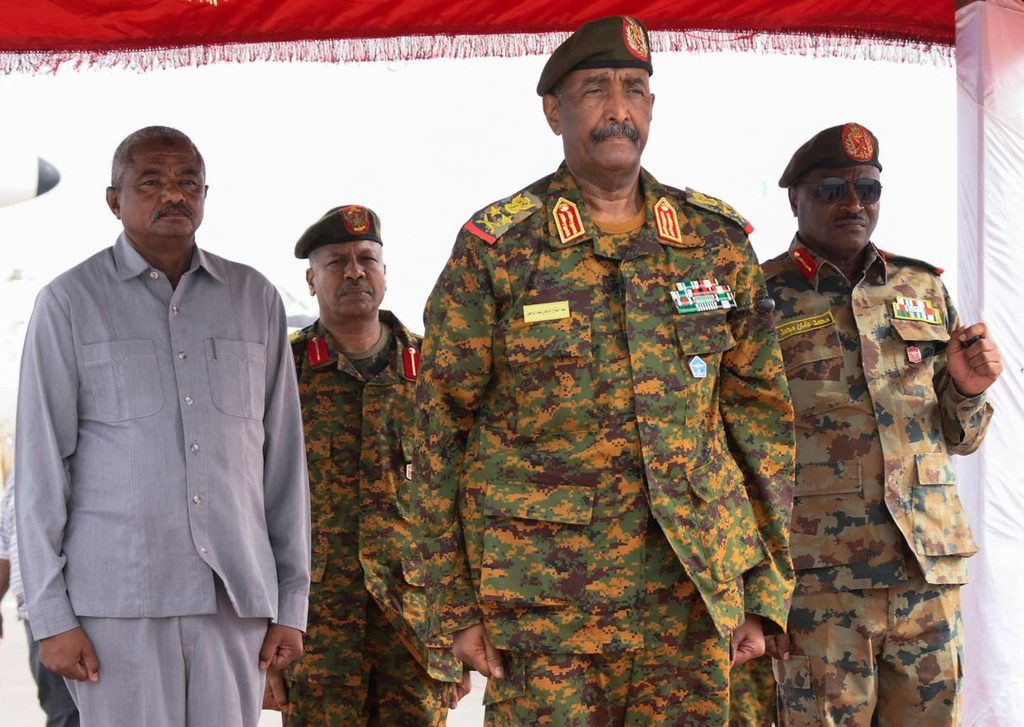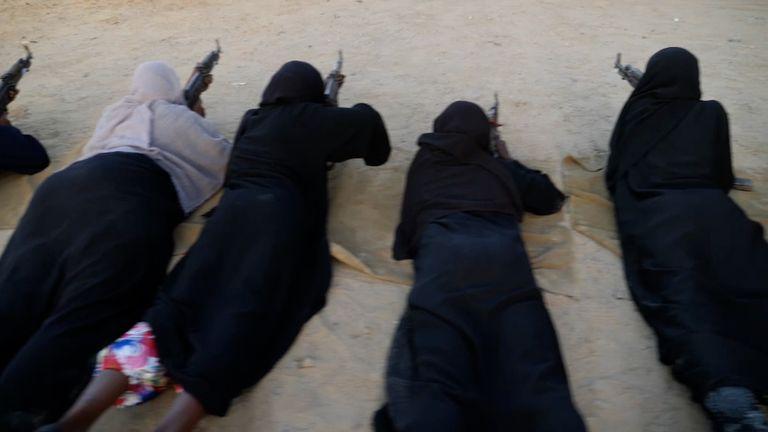
General al-Burhan’s SAF has been accused of recruiting civilian women and deploying them in combat roles, including as snipers, in what rights monitors say marks a dangerous escalation in the country’s already devastating war.
The Sudanese National Human Rights Observatory said on Tuesday that circulated videos appeared to show women receiving military training and carrying weapons alongside SAF personnel. In one video, a woman is seen holding a firearm while two soldiers speak about her alleged sniping skills.
The watchdog said it was “deeply shocked” by the footage and condemned what it described as the recruitment of civilian women into the ranks of the SAF and their use in direct combat operations.
It said the practice represented a serious violation of international humanitarian law, warning that involving civilians in armed conflict exposes them to grave danger and erodes the distinction between combatants and civilians.
The allegations come as the SAF faces mounting pressure in its war against the Rapid Support Forces, with the conflict now stretching into its fourth year and no clear political settlement in sight.
Rights groups say the reported recruitment of women points not only to the intensity of the fighting and the scale of losses, but also to a growing reliance on civilian mobilisation to address shortages in the ranks of fighting forces.
The videos have triggered criticism from local and international rights groups, while the SAF leadership has not issued an official denial or detailed response.
The Observatory warned that placing women in frontline combat roles risks turning broader sections of society into military targets and further undermines protections for civilians under international law.
Sudan has been engulfed in war since April 2023, when fighting erupted between the SAF and the Rapid Support Forces. The conflict has killed tens of thousands of people, displaced around 12 million and pushed the country into what the United Nations describes as the world’s largest humanitarian crisis.
Nearly half of Sudan’s population is struggling to secure enough food, while famine and hunger continue to spread across several regions. The collapse of agriculture, repeated attacks on civilian areas, blockades and restrictions on humanitarian access have made relief operations increasingly difficult.
The country’s health system has also been devastated, with many hospitals and clinics in conflict zones forced out of service because of attacks, shortages of medical staff and a lack of essential supplies. Aid groups have warned that disease outbreaks, hunger and lack of medical care are hitting children, women and the elderly hardest.
Regional and international mediation efforts have so far failed to secure a lasting ceasefire. On Tuesday, 46 Sudanese, regional and international organisations called on all parties to the war to declare an immediate, nationwide and unconditional humanitarian truce.
The groups warned that the rapid military escalation, particularly in North Kordofan, risks triggering another humanitarian disaster. They urged all parties to respect international humanitarian law, protect civilians, avoid indiscriminate or disproportionate attacks and refrain from using siege, starvation or denial of essential supplies as methods of warfare.