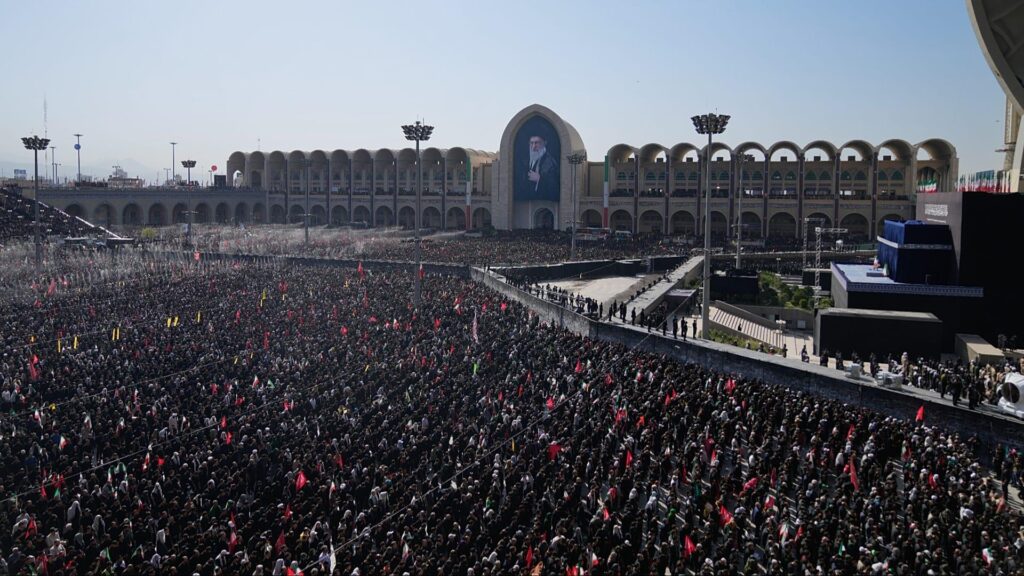
Iran’s Supreme Leader Ayatollah Mojtaba Khamenei has pledged to avenge the killing of his father and predecessor, Ayatollah Ali Khamenei, intensifying tensions as diplomatic efforts continue to prevent renewed fighting between Tehran and Washington.
In a written statement broadcast on Iranian state television on Saturday, Khamenei described retaliation as a national demand that would “certainly” be carried out.
“We pledge to avenge the blood of the martyred leader and all the martyrs of these two wars from the criminal and disgraced killers,” the statement said.
Khamenei suggested that the promised retaliation would involve not only Iran but also what he called “free people around the world.” He did not provide details about the timing or form of any potential response.
His father, Ayatollah Ali Khamenei, was killed in a joint US-Israeli air strike on February 28 at the beginning of the war. He had served as Iran’s supreme leader for approximately 37 years.
Mojtaba Khamenei was selected as his successor by Iran’s Assembly of Experts on March 8. His appointment was strongly supported by the Islamic Revolutionary Guard Corps, which has expanded its influence over Iran’s political and military leadership.
The latest statement was Khamenei’s first public communication since funeral ceremonies for his father began earlier this month. The former leader was buried on Thursday at the Imam Reza shrine in the northeastern city of Mashhad following several days of funeral processions and commemorations.
The new supreme leader has not appeared publicly since the February attack. Iranian officials have acknowledged that he was seriously injured in the strike, while reports indicate that he suffered extensive wounds.
No recent photograph, video or audio recording of Khamenei has been released, raising questions about his health and his ability to exercise direct control over the country’s political and military institutions.
The revenge pledge comes amid renewed confrontation between Iran and the United States and growing uncertainty over a fragile ceasefire arrangement.
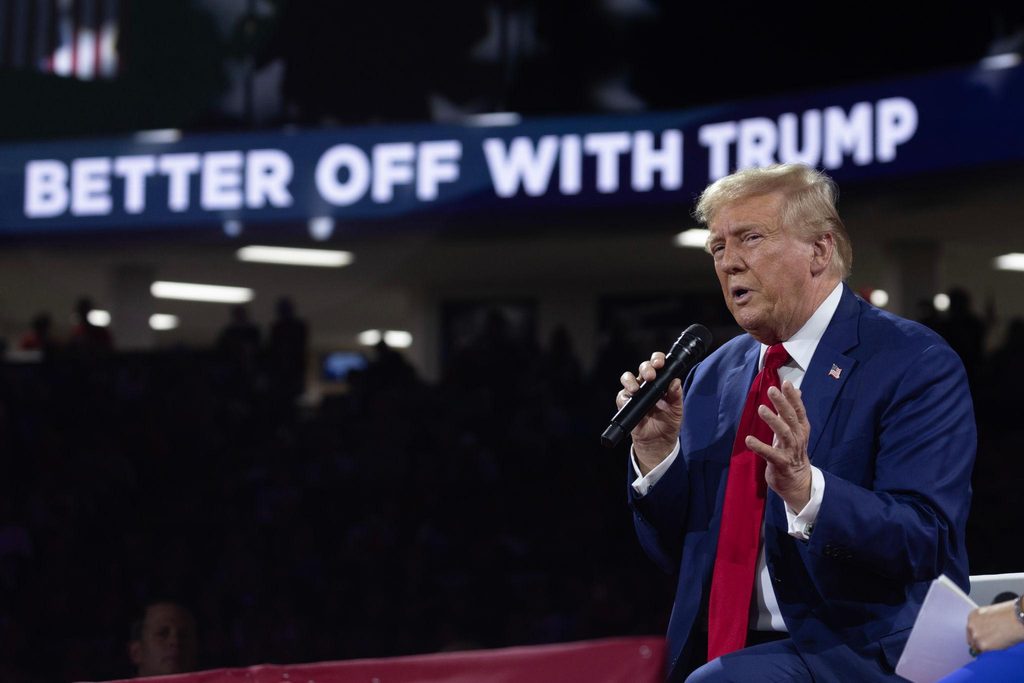
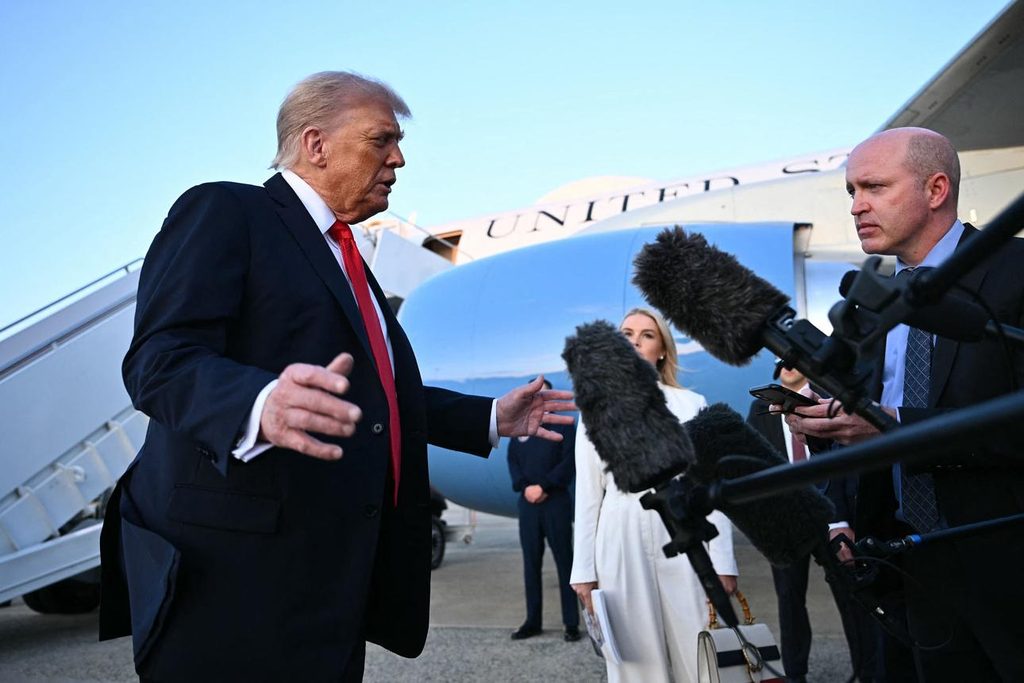
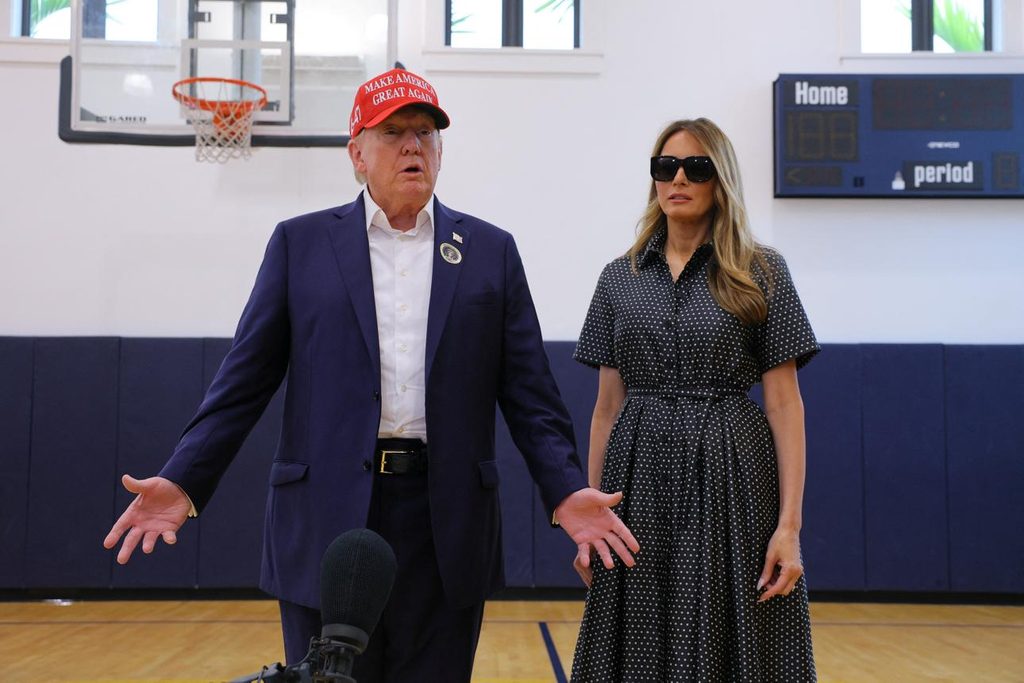
US President Donald Trump has warned that Washington would launch a massive military response if Iran attempted to assassinate him or other senior American officials. The warnings followed reports that Iranian officials had discussed possible attacks against Trump in retaliation for Ali Khamenei’s killing.
Meanwhile, Iranian Foreign Minister Abbas Araghchi travelled to Oman for talks aimed at preventing the collapse of diplomatic efforts between Tehran and Washington.
The two sides remain divided over Iran’s nuclear programme, US demands concerning Tehran’s stockpile of highly enriched uranium and the movement of commercial shipping through the Strait of Hormuz.
Iran has accused Washington of violating the ceasefire arrangement through additional attacks and restrictions on its oil trade. The United States, in turn, has demanded guarantees that Iran will allow ships to pass freely through the strategic waterway.
Despite the escalating rhetoric, officials from both countries have indicated that diplomatic contacts will continue through regional mediators, including Oman, Qatar and Turkey.