The appointment of Adel Ibrahim Shaluka Nimer as youth and sports minister has expanded the Sudan People’s Liberation Movement-North’s presence inside the TASIS transitional government, further strengthening the movement’s position within the alliance’s emerging executive structure.
Prime Minister Mohamed Hassan Othman Al-Taishi named Shaluka among six new ministers appointed to portfolios covering agriculture, trade, investment, communications, labour and youth affairs.
While the latest decree was presented as part of efforts to complete the transitional government, Shaluka’s inclusion carries wider political significance because of his longstanding role inside the SPLM-N led by Abdelaziz Al-Hilu.
Movement records previously identified Shaluka as a member of the SPLM-N National Liberation Council and director of its central media chamber. He has also served as the movement’s secretary for youth and students, a position closely connected to the portfolio he will now oversee.
Shaluka is also a political writer and advocate of the SPLM-N’s “New Sudan” programme, which calls for restructuring the Sudanese state, ending political and economic domination by the traditional centre and establishing a secular system based on equal citizenship.
In an article published by the movement in February 2025, Shaluka argued that the creation of a new government was necessary to challenge the Port Sudan authorities and dismantle what he described as the structures of the “old Sudan.”
His entry into the cabinet therefore gives the SPLM-N not only another government position, but also a minister closely associated with the movement’s ideological project and internal political organisation.
The appointment builds on gains secured by the SPLM-N during an earlier round of cabinet formation in May.
Radio Dabanga reported that the movement received the ministries of finance and economic planning, urban development and decentralised government during that round. It had already obtained the foreign affairs and education portfolios during the first phase of the government’s formation.
The movement was also awarded senior administrative positions, including the undersecretaryship of the Health Ministry and the leadership of the civil service affairs bureau.
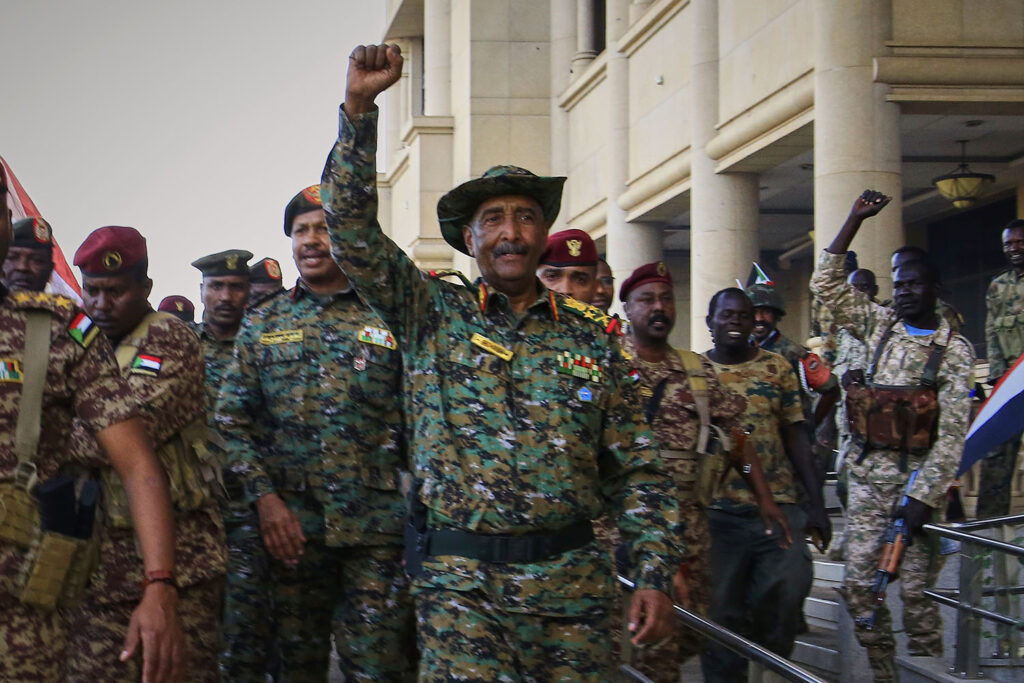
Taken together, the appointments indicate that the SPLM-N has emerged as one of the most institutionally influential components of TASIS, alongside the Rapid Support Forces.
Al-Hilu serves as deputy chairman of the TASIS Presidential Council, while RSF commander Mohamed Hamdan Dagalo heads the body.
The distribution of government posts reflects the internal power-sharing arrangement at the heart of the alliance, which brings together the RSF, the SPLM-N and a range of armed movements, political groups and civilian organisations.
Although the youth and sports portfolio does not carry the economic weight of the finance or investment ministries, Shaluka’s appointment is politically important because it places a senior SPLM-N organiser in charge of a sector with direct access to young people, student networks and community organisations.
It may also allow the movement to carry elements of its political programme into government institutions responsible for youth mobilisation and civic engagement.
The wider cabinet remains divided among the alliance’s principal components.
Previous appointments included figures linked to the Beja Congress, the National Umma Party and the United Civil Forces, known as Qimam, alongside former officials and representatives of armed movements.
TASIS presents the arrangement as an inclusive government representing Sudan’s marginalised regions and political forces opposed to the Port Sudan authorities.
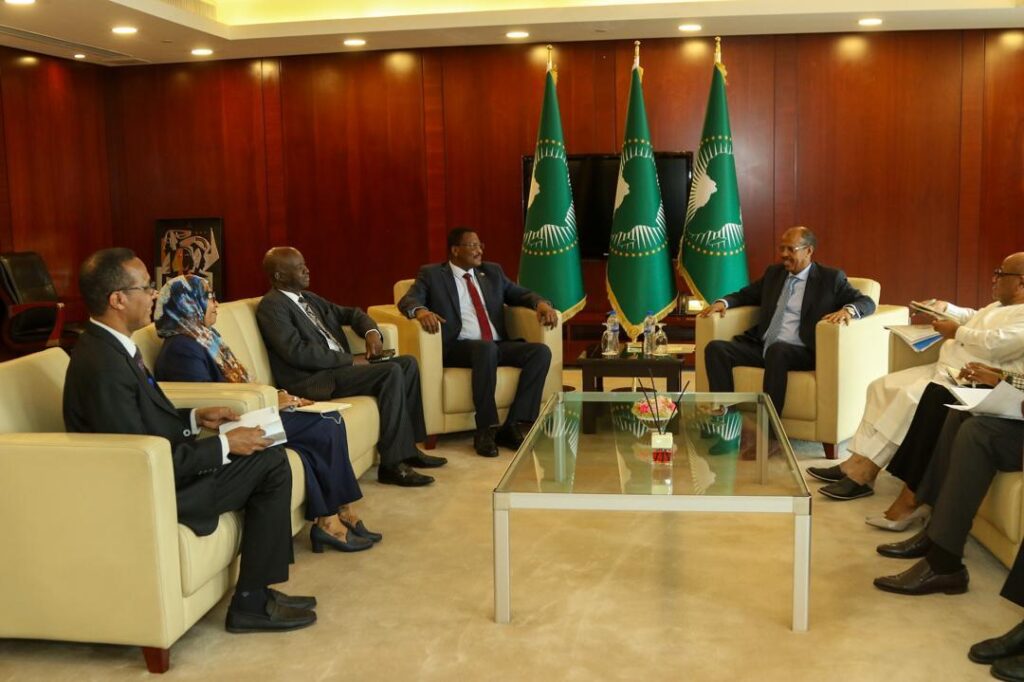
Its critics, however, describe it as a parallel administration dominated by the RSF and SPLM-N. The government has not secured formal international recognition, and the African Union, the United Nations and several regional actors have rejected the creation of rival governing structures in Sudan.
Despite that rejection, the latest appointments show that TASIS is continuing to establish ministries, agencies and administrative bodies in areas under the control of its member forces.
For the SPLM-N, Shaluka’s appointment marks another step in converting its military and political alliance with the RSF into lasting influence inside the new administration.