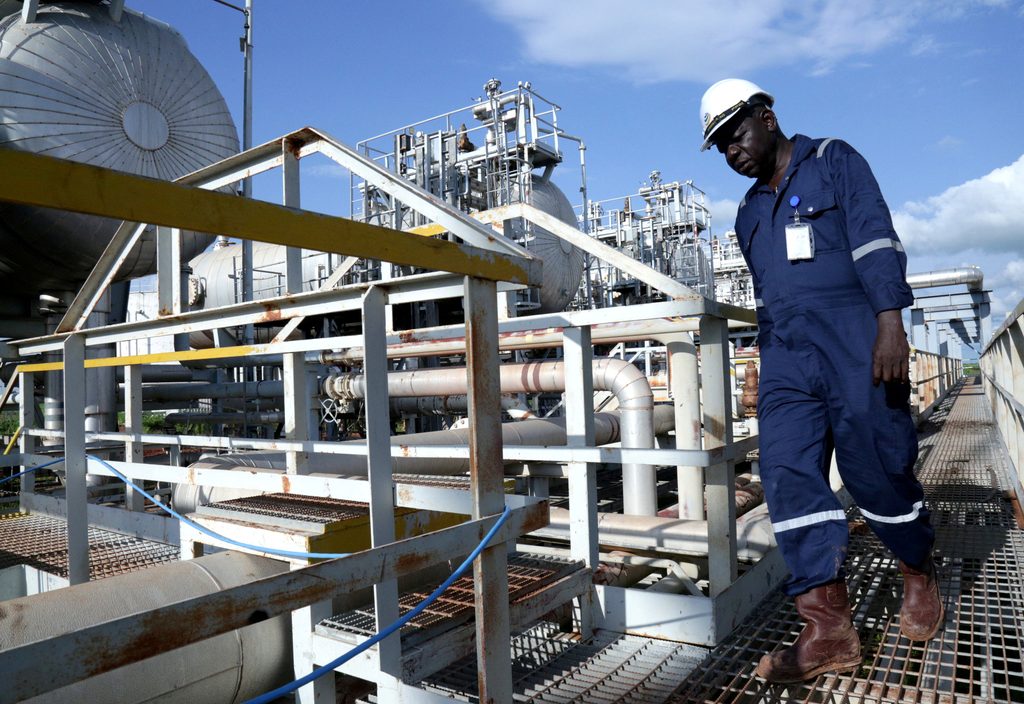
The Rapid Support Forces (RSF) are preparing to resume operations at three oilfields in Sudan’s West Kordofan state following an assessment of damage to facilities connected to the strategic Heglig oil complex, according to a report published on Sunday.
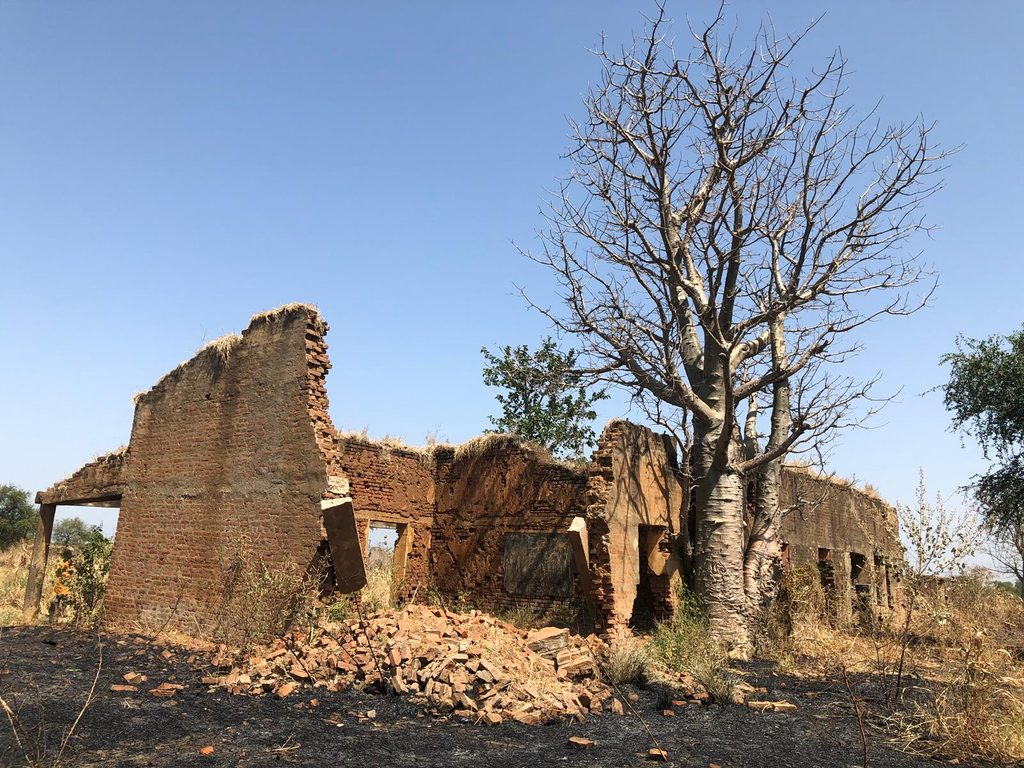
Sources told Darfur24 that the RSF had dispatched a technical delegation to inspect the Neem, Defra and Kanar oilfields as part of preparations to restore production.
The delegation, sent in August, included engineers from the government-affiliated 2P OPCO company and the RSF’s Higher Petroleum Authority, which oversees oil-related activities in areas under the group’s control.
According to the sources, the assessment found that damage to the facilities was relatively limited, potentially allowing local contractors to carry out the necessary repairs and rehabilitation work.
However, no timetable has been announced for the resumption of production.
The three oilfields are located within Block 4 in West Kordofan, an important oil-producing region connected to the Heglig processing and transportation network.
Operations at Block 4 have been suspended since October 2023 amid disruptions caused by Sudan’s ongoing conflict, according to earlier reporting by Darfur24.
Before production was interrupted, the Neem oilfield produced between 24,000 and 30,000 barrels per day, with output reaching higher levels during peak production periods.
The nearby Defra field produced approximately 2,000 to 3,000 barrels daily and served as an important pumping station linked to Neem.
The RSF took control of the Heglig oil complex on December 8, 2025, following the withdrawal of Sudan’s military from the area.
The complex contains approximately 75 oil wells across several production blocks and houses a central processing facility handling crude oil from West Kordofan and neighbouring South Sudan.
Partial operations at Heglig resumed later that month, when technical teams reportedly restarted more than 30 wells and three power generators.
The latest initiative could mark a further step towards restoring oil production in West Kordofan, where years of fighting have disrupted extraction, damaged infrastructure and forced the suspension of operations at several facilities.
The Heglig complex remains strategically important to both Sudan and South Sudan because of its role in processing and transporting crude oil for export.