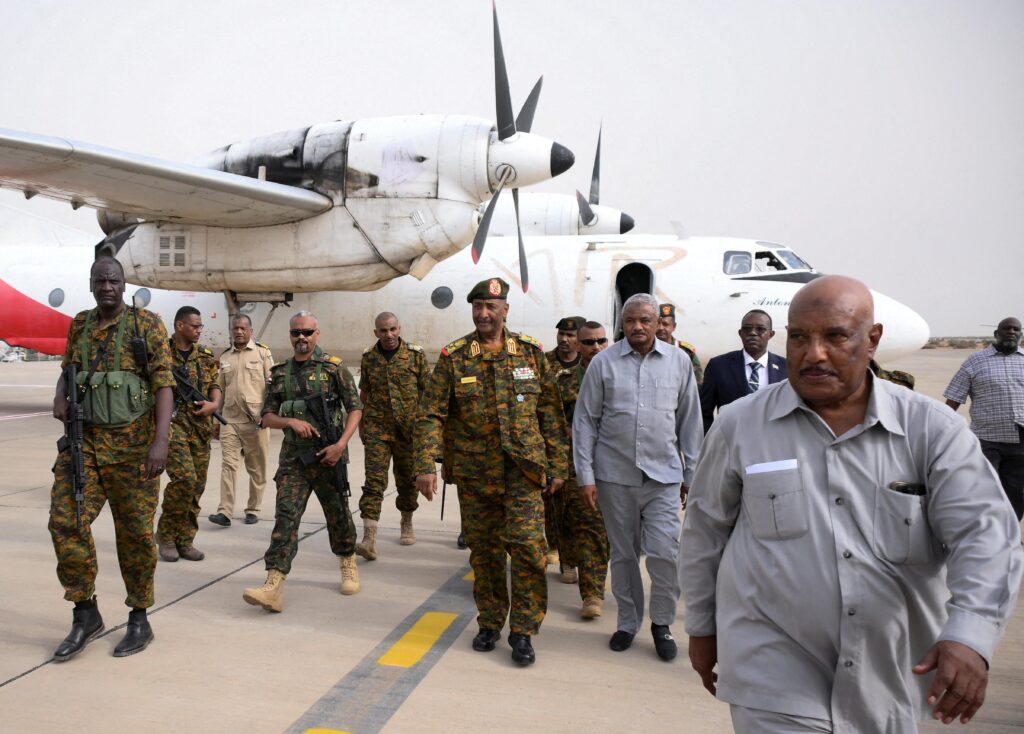
New US sanctions against Sudan have opened a more direct phase of international pressure on the Sudanese Armed Forces, expanding punitive measures beyond individual commanders and political figures to sectors linked to the army-controlled authorities in Port Sudan.
The sanctions, which took effect on July 20, were imposed after Washington concluded that the Sudanese army used chemical weapons during its war with the Rapid Support Forces.
The measures restrict Sudan’s access to international financing, US goods and technology, while increasing the likelihood that products with military or security applications will be denied export licences.
Humanitarian and food assistance are exempt.
The restrictions are expected to remain in force for at least one year unless the US administration determines that Sudan has met the legal conditions required for their removal.
Analysts say the measures are significant because they directly increase pressure on the military establishment rather than focusing only on sanctioned individuals or members of the former regime.
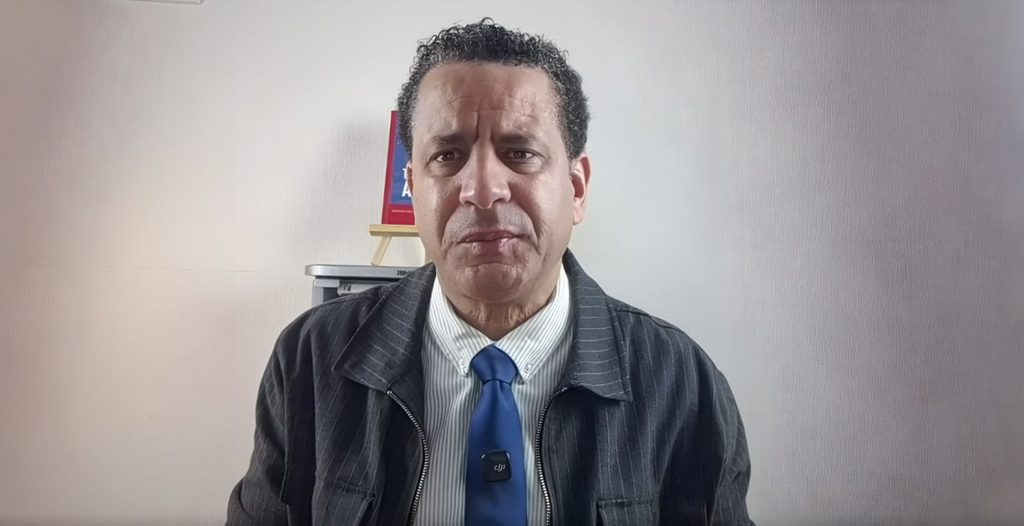
Political analyst Osman Fadlallah said the sanctions marked a major development in Washington’s approach to Sudan, arguing that their military effect may remain limited because the army has access to weapons and supplies from several foreign sources.
Their wider economic and diplomatic consequences, however, could be far more damaging.
The sanctions are likely to restrict access to financing, technical cooperation and foreign investment while making it harder for the Port Sudan authorities to rebuild international relationships or attract funding for post-war reconstruction.
They could also deepen Sudan’s commercial isolation at a time when the country is already facing severe economic decline caused by the war that began in April 2023.
The US measures include opposition to loans and financial or technical assistance for Sudan through international financial institutions, except for humanitarian purposes.
They also impose broad controls on the export of US goods and technology, with stricter treatment for equipment that could be used by the military or security services.
Sudan’s Foreign Ministry rejected the sanctions as “unilateral and illegal” and said the allegations of chemical weapons use were unsupported.
The ministry said Sudan does not produce, possess or use chemical weapons and remains committed to the Chemical Weapons Convention.
It also said the government was prepared to cooperate with the Organisation for the Prohibition of Chemical Weapons and other international bodies to verify the allegations.
According to the ministry, Sudanese officials had used technical channels to request the evidence behind Washington’s findings, but the discussions failed to resolve the dispute.
The chemical weapons case first emerged publicly in May 2025, when the United States announced an initial round of sanctions against Sudan.
Those measures included restrictions on US exports and limits on access to US government credit facilities.
Army chief Abdel Fattah al-Burhan later formed a national committee involving the foreign and defence ministries and the intelligence service to investigate the accusations.
Sudan also told the OPCW Executive Council in The Hague in July 2025 that it was treating the allegations seriously and transparently.
Despite subsequent technical contacts between Sudanese and US officials, the two sides remain divided over the evidence and the process required to independently verify the claims.
The latest sanctions are expected to increase demands for an international investigation while placing further pressure on the army-controlled authorities.
For Port Sudan, the broader danger may not be the immediate impact on battlefield operations, but the gradual closing of diplomatic, financial and technological channels as international isolation intensifies.