A rights organisation has condemned the 15-year prison sentence imposed on a senior Jawama tribal leader, amid growing accusations that courts controlled by Sudan’s army-aligned authorities are being used to punish civilians suspected of opposing the war.
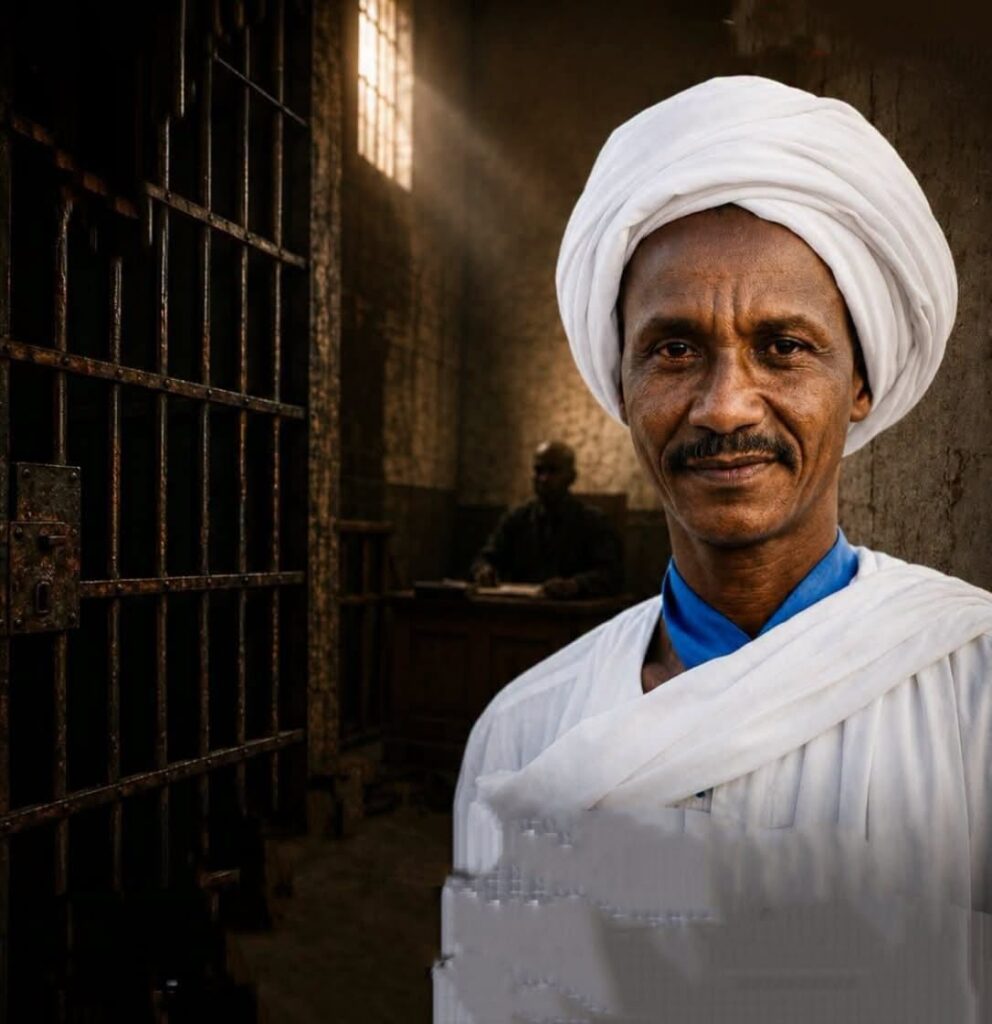
The Committee for Justice said Omar al-Tayeb Haroun, deputy chief of the Jawama tribal administration, was sentenced after being prosecuted on allegations of collaborating with the Rapid Support Forces.
Haroun was reportedly arrested in Al-Rahad, North Kordofan, after the Sudanese Armed Forces regained control of the town and was later transferred to El Obeid for trial.
The organisation questioned whether Haroun had received a fair trial and called for guarantees protecting his legal rights, including access to lawyers and the ability to challenge the verdict.
It warned that prosecutions based on broadly defined collaboration charges risk becoming a tool for political retaliation against community leaders and civilians living in areas that have changed hands during the war.
The Sudan Founding Alliance, known as TASIS, had earlier condemned Haroun’s imprisonment and demanded his immediate release.
TASIS described the proceedings as politically motivated and accused the Port Sudan authorities of turning the judiciary into an instrument for suppressing tribal leaders, activists and civilians considered hostile to military and Islamist rule.
The alliance said Haroun had been sentenced to 15 years after his arrest in Al-Rahad and trial in El Obeid.
It also cited several other cases involving lengthy prison terms and death sentences imposed on civilians accused of cooperating with the opposing side.
The Sudanese Congress Party and the Unionist Gathering have separately criticised the ruling, describing it as part of a wider pattern of politically driven prosecutions.
Since the army recaptured several towns from the RSF, residents, volunteers and local leaders have repeatedly faced accusations of collaboration.
Human-rights organisations say many defendants have been tried under emergency conditions without adequate legal representation or independent scrutiny.
Both the army and the RSF have been accused of detaining, mistreating and prosecuting civilians suspected of supporting their opponents.
Rights groups have called for all detainees to receive fair trials before independent courts and for sentences imposed primarily on political grounds to be overturned.