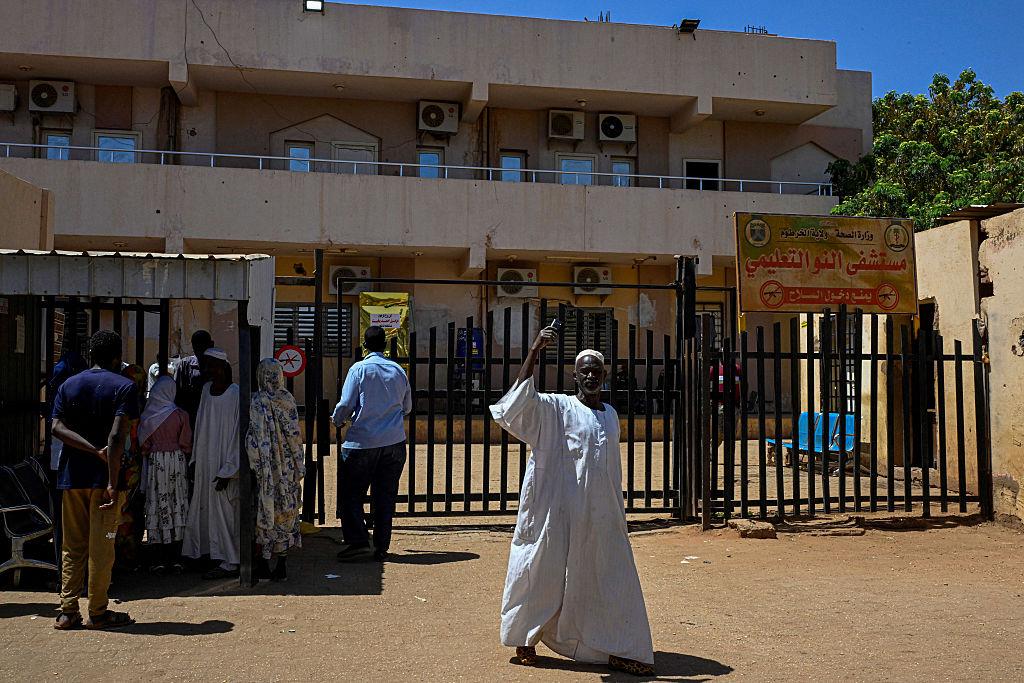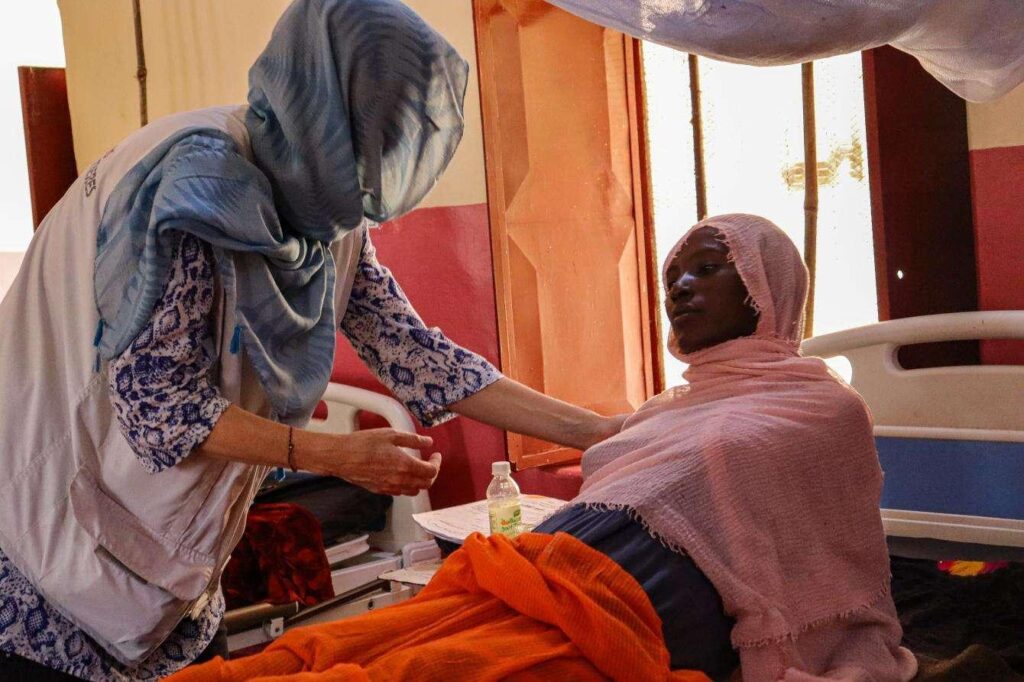
Eighteen pregnant women have died at Um Dafuq Hospital in South Darfur over the past seven months as shortages of doctors, medical staff and transport deepen a growing healthcare crisis in the remote border area, according to medical sources.
Among the latest victims was 25-year-old Salwa al-Nour, who reportedly spent four days suffering from obstructed labour and severe bleeding without receiving treatment because no doctor was available at the hospital in Um Dafuq, a town in the far south of the state.
Her family attempted to transfer her to a hospital in the nearby town of Um Dukhun, but flooding had cut off the roads. She died while being transported.
A day later, another woman, Maryam Makki, died inside Um Dafuq Hospital after suffering complications linked to poisoning and the death of her unborn child. Her relatives were unable to transfer her elsewhere because there was no ambulance and surrounding roads remained blocked.
The condition of a third patient, Mona Abdullah, remained unclear after she was referred for treatment on Monday while suffering from miscarriage complications and severe blood loss.
The cases highlight the severe risks faced by women in rural areas of Darfur, where basic healthcare services have deteriorated sharply since the outbreak of Sudan’s war.
Medical sources cited by Darfur24 said 18 pregnant women had died at Um Dafuq Hospital during the first seven months of the year, mainly because of complications during childbirth, the absence of basic medical care and families’ inability to transport patients to Nyala.
The hospital’s last doctor reportedly left about seven months ago. Since then, services have deteriorated sharply, with the facility operating largely with medical assistants and limited supporting staff amid low salaries and worsening shortages.
Heavy rains and seasonal flooding have further aggravated the situation.
Um Dafuq lies near Sudan’s border with the Central African Republic, around 370 kilometres from Nyala, the South Darfur state capital. The town has become increasingly isolated, with the border affected by the war and the main road to Nyala cut by flooding.
Residents say the lack of functioning health services has turned the hospital into what they described as “a place to wait for death rather than receive treatment.”
They appealed to South Darfur’s health authorities to intervene urgently, warning that pregnant women and children remain particularly vulnerable.