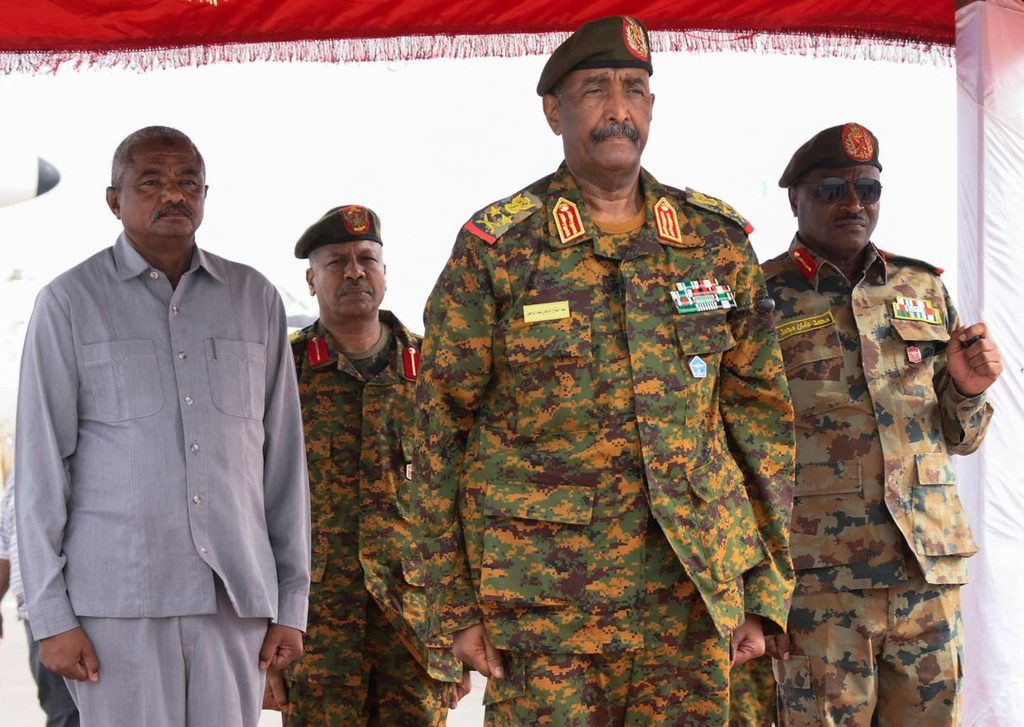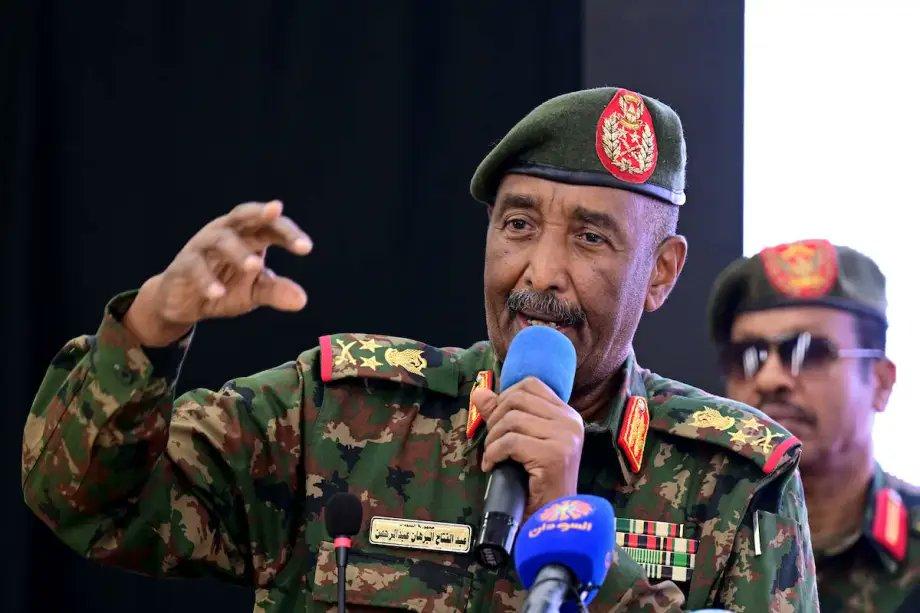
A senior figure in Sudan’s National Umma Party has rejected army chief Abdel Fattah al-Burhan’s bid to oversee a national political dialogue, arguing that the conditions required for a credible process do not exist under military rule and amid the continuing war.
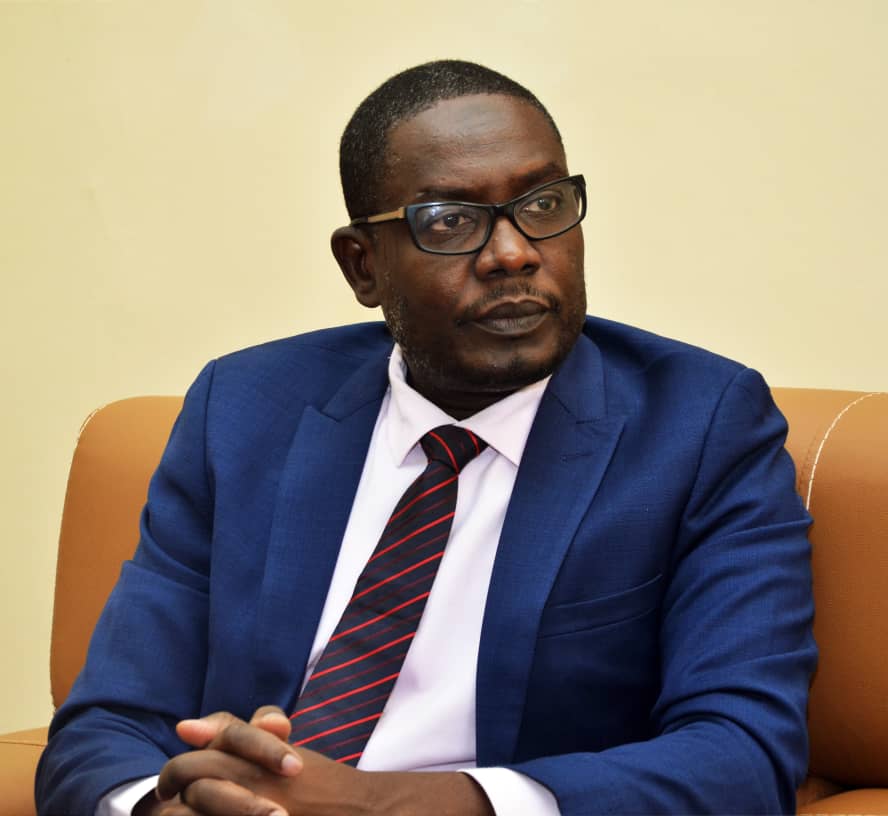
Urwa al-Sadiq, a member of the Civil Democratic Alliance known as Sumoud, said a genuine Sudanese dialogue requires trust, political freedoms and guarantees that participants can challenge those in power without fear of arrest or retaliation.
Speaking to Al-Ain News, al-Sadiq said Burhan’s record since the October 25, 2021 military takeover made him “morally unqualified” to lead a process intended to produce broad political consensus.
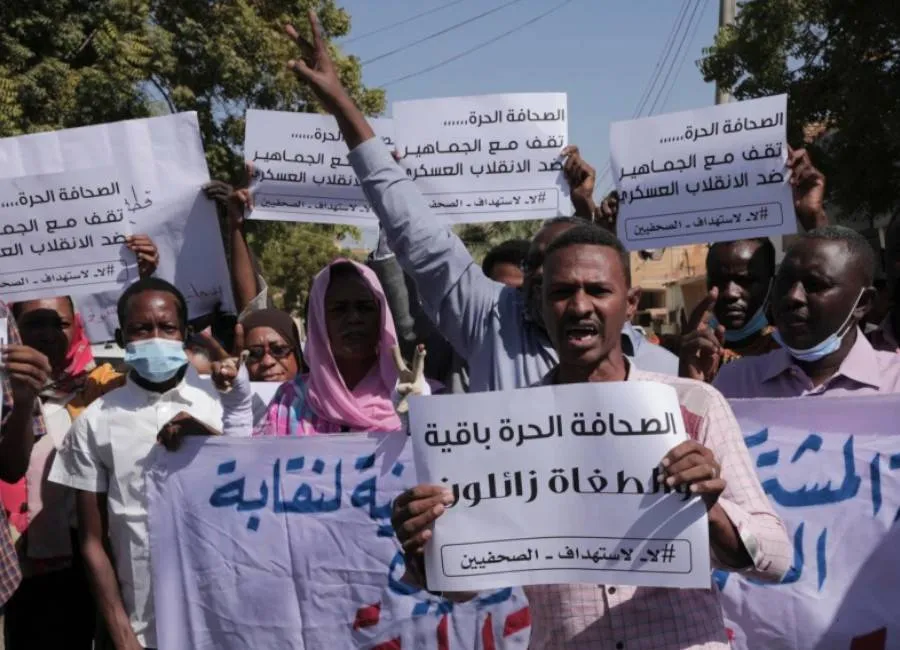
He accused Burhan of helping dismantle Sudan’s civilian-led transition, dissolving institutions established after the fall of former president Omar al-Bashir and presiding over the detention of political figures and protesters.
Al-Sadiq said the political environment had deteriorated further since war erupted in April 2023, pointing to arrests, prosecutions, mobilisation campaigns and the growing influence of ideologically aligned armed groups fighting alongside the army.
Fears of a controlled political process
Al-Sadiq warned that Burhan’s proposed dialogue could become a process of political selection conducted under the authority of armed power rather than an inclusive national settlement.
He said civilian groups willing to operate within what he described as the “Port Sudan ceiling” could be invited into the process, while political networks associated with Bashir’s former regime and the Islamist movement could be brought back into formal politics.
Such an outcome, he argued, would resemble dialogue initiatives organised during Bashir’s rule that were presented as broad political consensus while leaving the basic structure of power unchanged.
“A dialogue in which the authority determines the entry point, chooses the participants, sets the limits and controls the security and media environment around it is closer to reorganising the political arena around the existing centre of power,” al-Sadiq said.
He also accused networks linked to the dissolved National Congress Party and Sudan’s Islamist movement of rebuilding their influence inside state institutions since the 2021 coup.
According to al-Sadiq, the war has further strengthened Islamist-aligned armed formations, making it increasingly difficult for the military leadership to distance itself from groups that now possess weapons, organisation and significant influence within the conflict.
Security guarantees needed
Al-Sadiq questioned how politicians based outside army-controlled territory could safely participate in a dialogue while pro-army platforms continue to portray opponents as traitors or collaborators.
He said any credible process would first require independent guarantees for the safety of participants, freedom of movement, political organisation and expression.
“These are questions about whether the process is serious, not procedural conditions,” he said.
Al-Sadiq argued that meaningful dialogue should be preceded by an end to the war, protection for civilians, the release of political detainees and people held arbitrarily, an end to incitement and political vilification, and restoration of public freedoms.
He also called for participation by Sudanese communities living under the control of different parties to the war, as well as refugees and internally displaced people.
Any negotiations, he said, should be independently facilitated and backed by regional and international guarantees preventing armed actors from using military force to veto political outcomes.
Call for one professional military
Al-Sadiq said Sudan ultimately needs to end the existence of multiple armies and armed formations and rebuild a single national, professional military institution.
He called for political and ideological organisations to be removed from the security forces, military-owned economic activities to be placed under public financial oversight, and the armed forces to operate under a civilian constitutional authority.
“It is unreasonable for those carrying weapons to be the ones who decide how much space civilians are allowed to determine the future powers of the military,” he said.
Al-Sadiq said Burhan’s dialogue initiative therefore contained a fundamental contradiction because it sought to present the army chief as both a party to Sudan’s conflict and the arbiter responsible for determining the country’s political future.
“Sudan needs a dialogue that puts weapons under the authority of politics, not a dialogue that requires permission from the gun to take place,” he said.
Sumoud said earlier this week that it opposed political talks conducted exclusively in army-controlled areas, warning that a one-sided process would entrench Sudan’s wartime divisions rather than produce a credible national settlement.
The comments come amid reports that Burhan has recently held consultations with political and community figures as part of preparations for a Sudanese-Sudanese dialogue that he first proposed several months ago.