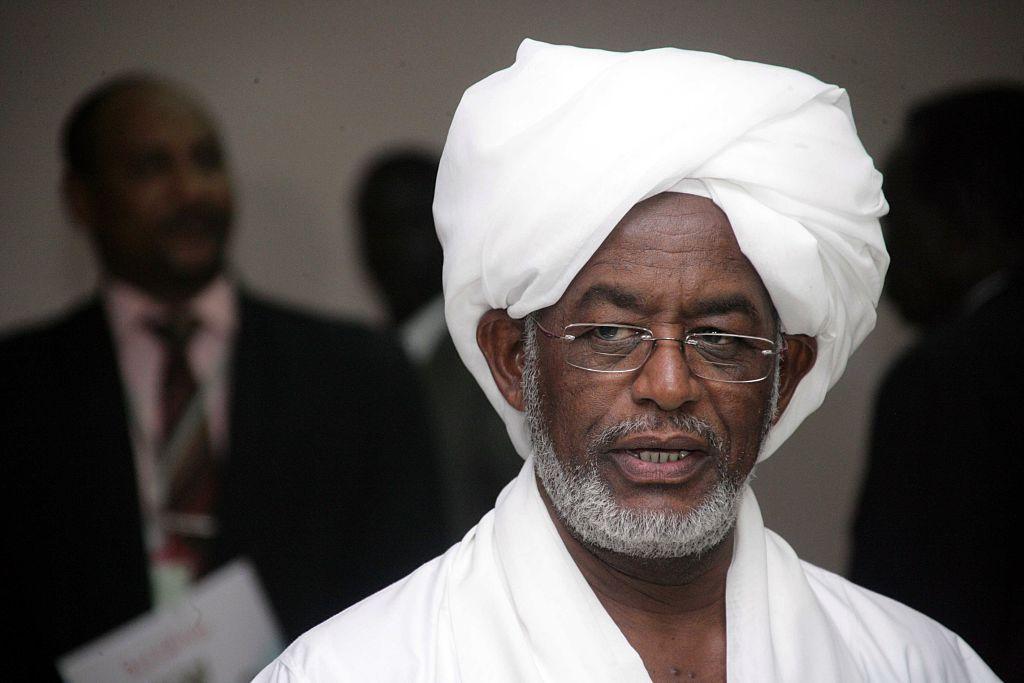
A senior figure from Sudan’s dissolved National Congress Party has drawn renewed criticism after a leaked recording showed him arguing that publicly discussing alleged corruption inside the Islamic Da’wa Organization was “not useful” and provided ammunition to the “enemies of Islam.”
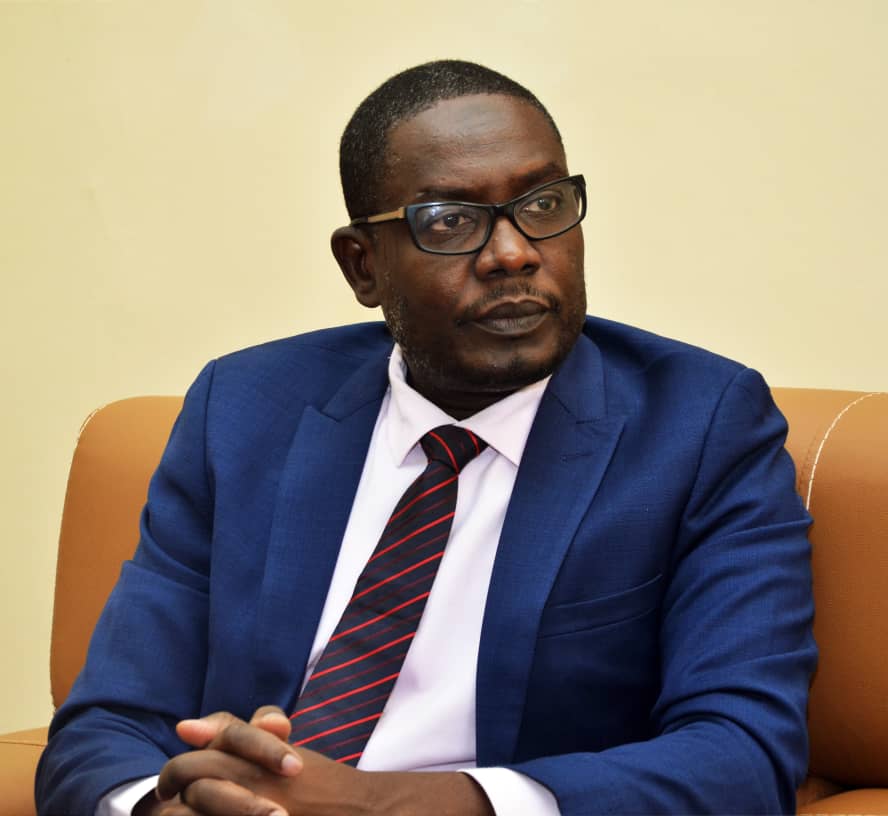
Dr Osman al-Bashir al-Kabbashi, a member of the organisation’s board and a senior figure in the former ruling party, made the remarks during an escalating internal battle over alleged financial irregularities and control of the influential organisation.
The recording was first reported by Sudanese newspaper December and subsequently republished by Alrakoba on Friday.
Al-Kabbashi was responding to moves by Abdulrahman Al Mahmoud, the Qatari chairman of the organisation’s board of trustees, who has been locked in a bitter confrontation with a faction aligned with Sudanese Islamist Movement Secretary-General Ali Karti.
According to December, the Karti-aligned faction removed Al Mahmoud and installed former Qatari ambassador to Sudan Ali bin Hassan Al Hammadi in his place.
‘Talking about corruption is not useful’
In the leaked recording, al-Kabbashi acknowledged that he had previously urged Al Mahmoud not to publicise allegations of corruption.
“Talking about corruption is not useful,” he said, arguing that the organisation depended heavily on its reputation among international donors and could not withstand damaging public allegations.
Although al-Kabbashi insisted that he opposed corruption itself, he attacked efforts to expose alleged wrongdoing publicly, comparing them to the methods used by Sudan’s former Empowerment Removal Committee and the Forces of Freedom and Change.
He accused Al Mahmoud and his allies of supplying opponents with “media material” and transforming an internal dispute into a public scandal.
Al-Kabbashi went further, claiming that information about alleged corruption had given “the enemies of the organisation and the enemies of Islam” material that served their objectives.
He described media coverage supporting Al Mahmoud as “media of sedition.”
The comments immediately handed critics of Sudan’s Islamist establishment a striking new line of attack: rather than addressing the substance of the corruption allegations, a prominent figure within the organisation appeared primarily concerned with the reputational consequences of exposing them.
Corruption row already spilling into public
The leaked recording emerged as allegations surrounding the Islamic Da’wa Organization were already circulating widely across Sudanese media and social networks.
Sudanese accounts and outlets have increasingly characterised the dispute as a financial scandal involving figures linked to Karti.
Sudan360, for example, described developments inside the Islamist movement as an “earthquake” while circulating allegations that Karti was implicated in financial corruption involving millions of dollars. The allegations have not been independently verified.
Another Sudanese account circulated similar claims under the headline of Karti’s alleged involvement in a “multi-million-dollar corruption scandal,” citing sources within the Islamic Da’wa Organization.
Sudanese commentator Boshi Wad Kawthar has also amplified allegations surrounding the dispute, explicitly accusing Karti of involvement in a major corruption case and linking the controversy to deteriorating relations with the organisation’s Qatari backers. Those claims also remain allegations and have not been independently established.
Other Sudanese social-media commentary has portrayed the confrontation as a struggle between Al Mahmoud’s camp and a Karti-linked faction seeking to maintain control over the organisation and its finances.
The ferocity of that dispute makes al-Kabbashi’s leaked remarks particularly damaging politically: they appear to confirm that senior figures inside the organisation were worried about the public exposure of corruption allegations and their potential impact on donors.
Previous allegations deepen controversy
The confrontation is not new.
December reported in June that an internal faction linked to Karti had moved against Al Mahmoud amid disputes over the organisation’s administration and alleged financial misconduct. The newspaper described the rival camp as fighting to maintain control over the institution and its resources.
In July, Alrakoba reported that Hassan Abu Kadouk, an official accused of administrative and financial violations within the Islamic Da’wa Organization’s operations in South Sudan, had received a Sudanese diplomatic passport while reportedly under investigation.
The outlet linked the episode to the wider battle between Al Mahmoud and the Karti-aligned faction.
None of those allegations by themselves establish criminal wrongdoing by Karti, al-Kabbashi or other senior figures, and no court ruling cited in the reports has established their responsibility for the alleged financial misconduct.
But al-Kabbashi’s own remarks add another dimension to the scandal.
Rather than arguing that the allegations were false, his recorded comments focused heavily on the damage that discussing corruption could cause to the organisation’s reputation, donor relationships and Islamist movement.
Old Islamist divisions resurface
Al-Kabbashi portrayed the battle as an extension of divisions dating back to the internal split within Sudan’s Islamist movement at the end of the 1990s.
“They wanted the Islamic Da’wa Organization to become an arena for settling very old scores that have nothing to do with the organisation,” he said.
The controversy provides a rare glimpse inside institutions tied to Sudan’s former Islamist establishment, where disputes over money, international donors and organisational control are increasingly spilling into public view.
Karti, who served as foreign minister under former president Omar al-Bashir, remains one of the most influential figures within Sudan’s Islamist movement.
For his critics, however, al-Kabbashi’s leaked recording may prove more damaging than the competing accusations themselves.
His argument effectively shifts the question from whether alleged corruption should be investigated to whether revealing it damages the Islamist movement — culminating in the remarkable assertion that exposing such allegations could serve the “enemies of Islam.”
As the organisation’s internal battle intensifies, that statement is now becoming part of the wider case being made by opponents who accuse Bashir-era Islamist networks of protecting their institutions from scrutiny while seeking to rebuild political and financial influence in SAF-controlled Sudan.