A youth-led uprising overthrew Madagascar’s government in late 2025, yet the shadow of state capture still haunts the nation.
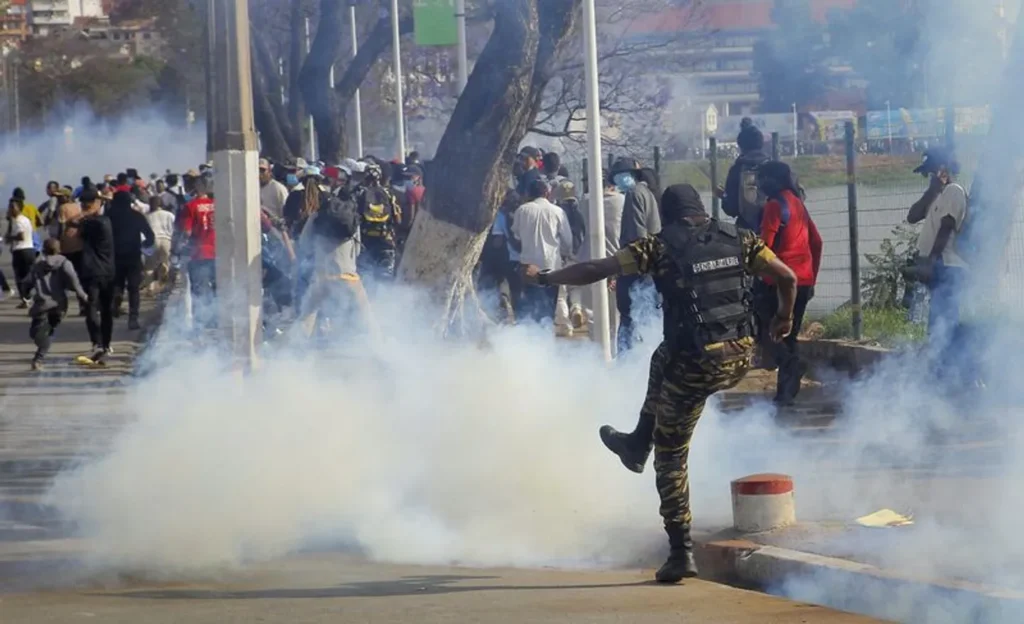
Driven by water and power shortages, Gen-Z protesters forced former President Andry Rajoelina into exile, demanding an end to systemic corruption.
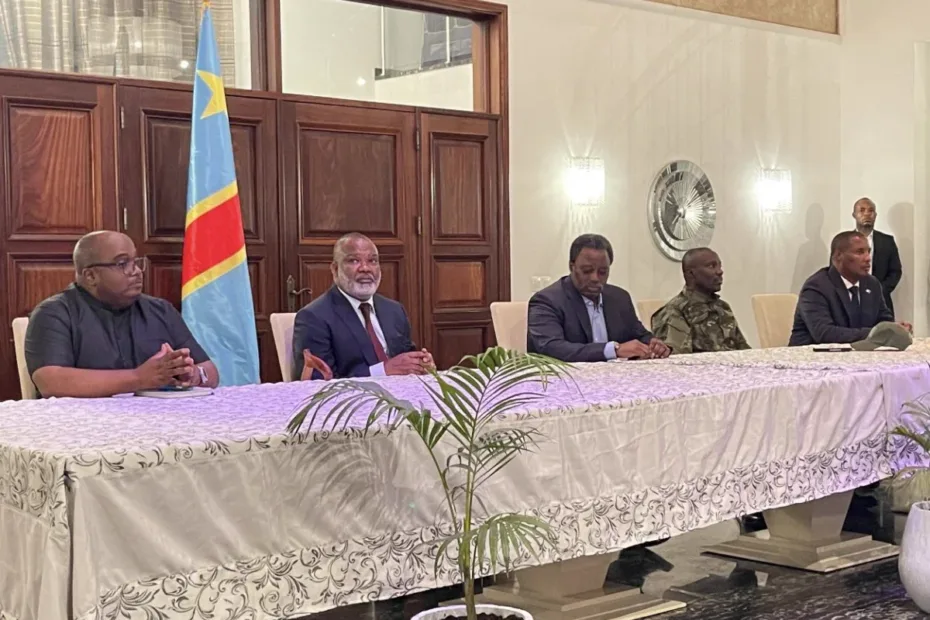
Military officers swiftly seized the moment, establishing a transitional government headed by Colonel Michael Randrianirina to fill the political vacuum.
Academic researchers Ketakandriana Rafitoson and Tom Shipley argue the young protesters successfully dismantled a deeply entrenched, captured state architecture.
State capture occurs when private interests systematically rewrite constitutional rules to secure power and profit, rather than merely breaking existing laws.
Madagascar’s 2010 constitution enabled this abuse, granting executives sweeping appointments while shielding corrupt elites through a toothless judicial system.
Resource networks exploited these loopholes, amassing fortune through illegal rosewood logging before shifting operations to lucrative vanilla and gold markets.
Despite the military’s pledge to host democratic elections in 2027, growing Russian influence threatens to delay or cancel the promised vote.
Public trust remains fragile, as a recent survey revealed fifty-two percent of citizens harbour deep skepticism toward the activist movement.
A critical national consensus dialogue scheduled for August 2026 faces continuous delays, raising doubts about the transition’s overall integrity.
International donors urge swift electoral reforms, but experts emphasize that lasting change requires fixing broken public utilities like electricity.
Whether Madagascar breaks its authoritarian cycle ultimately depends on structural reform before the window of opportunity closes entirely.