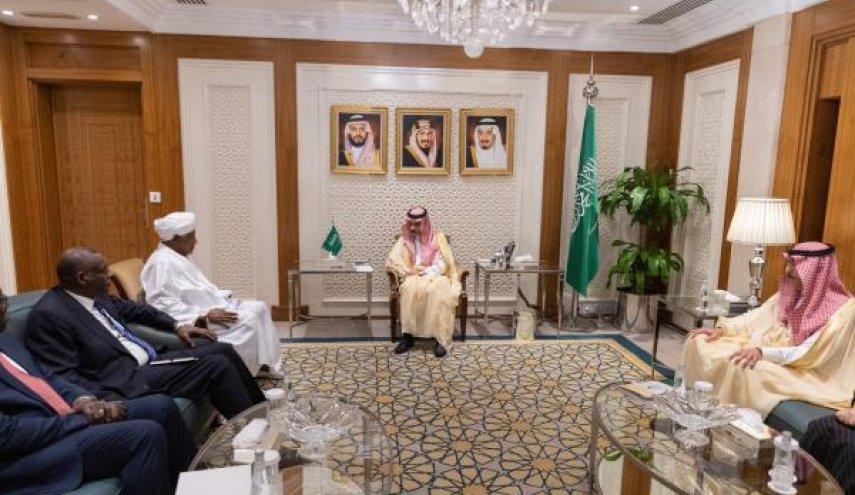
Sudan and Saudi Arabia have signed an agreement establishing a bilateral coordination council as the two countries deepen talks on Red Sea security, while fighting inside Sudan intensifies across Blue Nile and the Kordofan region.
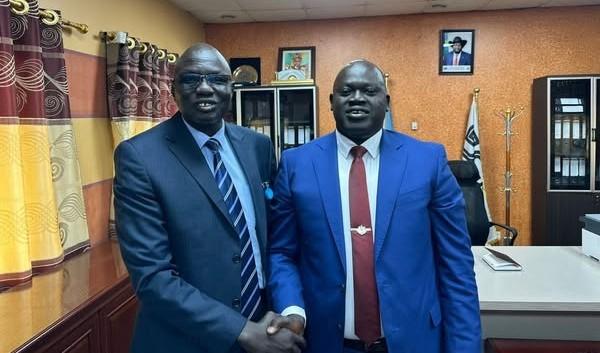
Sudanese Foreign Minister Mohieddin Salem and Saudi Foreign Minister Prince Faisal bin Farhan signed the document in Riyadh on Monday in the presence of officials from both countries.
The Saudi Press Agency said the council is intended to place cooperation between Saudi Arabia and Sudan within a formal institutional framework, bringing together government bodies from both sides and strengthening coordination on issues of common concern.
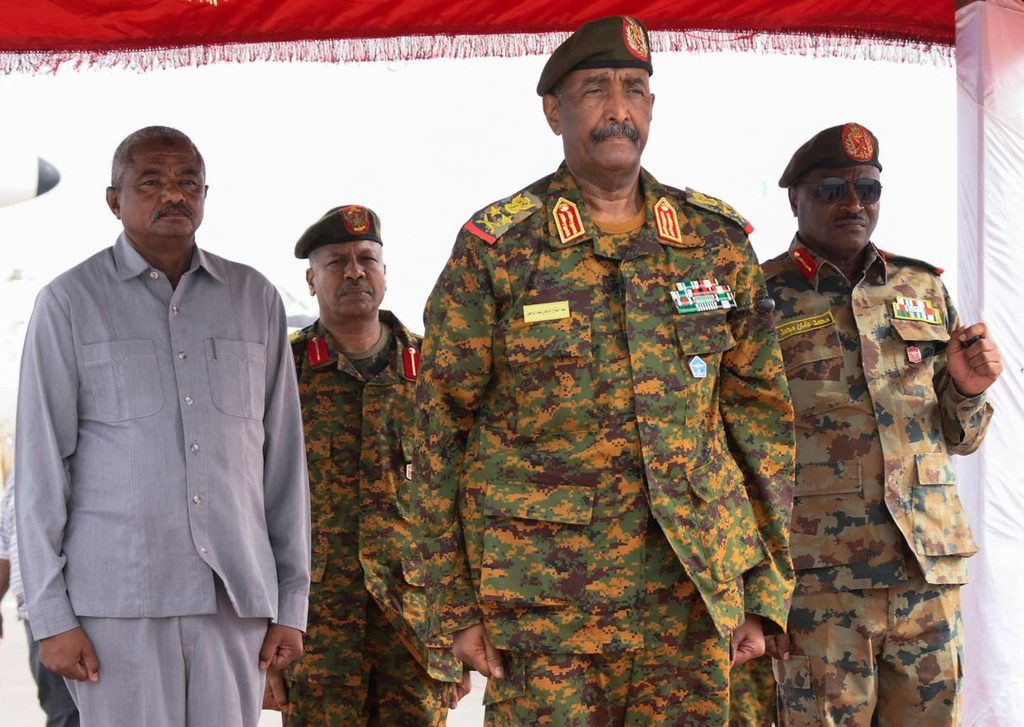
The agreement follows months of political contacts between Riyadh and Sudan’s Port Sudan-based authorities. One of the most prominent meetings came in December, when Sudanese army chief Abdel Fattah al-Burhan met Saudi Crown Prince Mohammed bin Salman in Riyadh.
Burhan announced plans for the council in January, paving the way for the agreements and procedures needed to formally establish it.
Red Sea security is expected to be a major area of cooperation. Salem said Sudan has plans and programmes aimed at protecting the Red Sea at a time when security threats to international shipping routes have increased across the region.
The agreement was signed as Sudan’s military leadership also expands contacts with Turkey. Army Chief of Staff Yasser al-Atta recently visited Ankara and met Turkish officials, reflecting growing engagement between Port Sudan, Saudi Arabia and Turkey over regional security and the Red Sea.
The Sudanese-Saudi council is also expected to cover political, economic, investment and reconstruction issues as Sudan faces extensive damage to infrastructure and public services from the war that began in April 2023.
Hatim al-Sir, a senior figure in the Democratic Unionist Party-Origin, described the new council as a step toward a broader strategic partnership between Sudan and Saudi Arabia extending beyond political cooperation.
Fighting intensifies in Kordofan
The diplomatic activity comes as fighting escalates in Kordofan and Blue Nile, triggering new waves of displacement and further disrupting humanitarian operations.
The UN Office for the Coordination of Humanitarian Affairs said local authorities reported that more than 13 civilians had been killed and others wounded in clashes around Um Arda in North Kordofan.
Escalating violence has also forced the suspension of humanitarian and health operations in Mazroub, where medical workers are already dealing with a cholera outbreak.
The local hospital has been receiving dozens of patients suffering from cholera and acute watery diarrhoea while operating under severe shortages of medicines, equipment and other resources.
Sudan’s rainy season is compounding the crisis by making aid deliveries and access to affected communities more difficult while increasing the risk of waterborne disease.
The World Health Organization has previously warned that flooding, displacement and the deterioration of water and sanitation networks are worsening the spread of cholera, malaria and other diseases.
Thousands flee Qeissan
In Blue Nile, thousands of civilians have fled fighting around Qeissan toward Damazin, the regional capital, and other areas considered relatively safer.
The Sudan Doctors Network said on Tuesday that more than 5,000 displaced people had reached Damazin following recent attacks around Qeissan.
It said those arriving were facing acute shortages of food, medicine, shelter materials and safe drinking water, while thousands of families had abandoned the area over recent days.
Heavy rains have further worsened conditions for displaced families, particularly those staying in informal shelters where contaminated water and poor sanitation increase the risk of disease.
Humanitarian groups are also struggling to reach some communities because of continued insecurity and rapidly shifting front lines.