Sudan’s war is taking on an increasingly regional dimension, with the Sudanese Armed Forces facing accusations of striking deep inside Chad while simultaneously claiming that a long-range drone entered Sudan from the direction of Ethiopia.
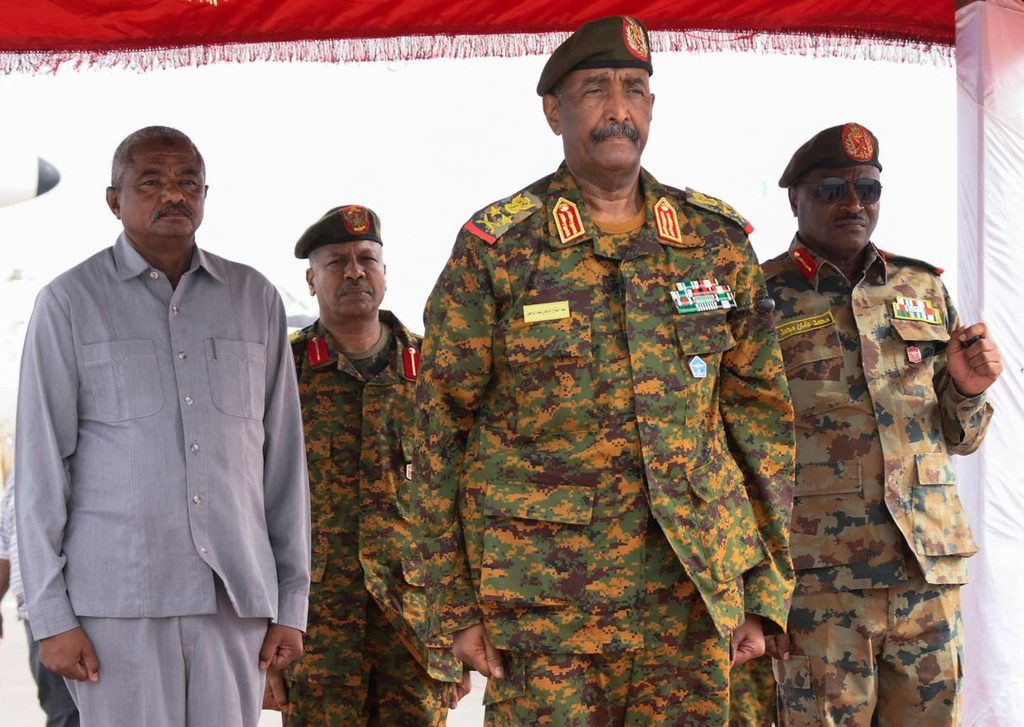
Taken together, the incidents point to a widening confrontation in which Abdel Fattah al-Burhan’s Port Sudan authorities are increasingly entangled with neighbouring states even as SAF struggles to decisively alter the battlefield inside Sudan.
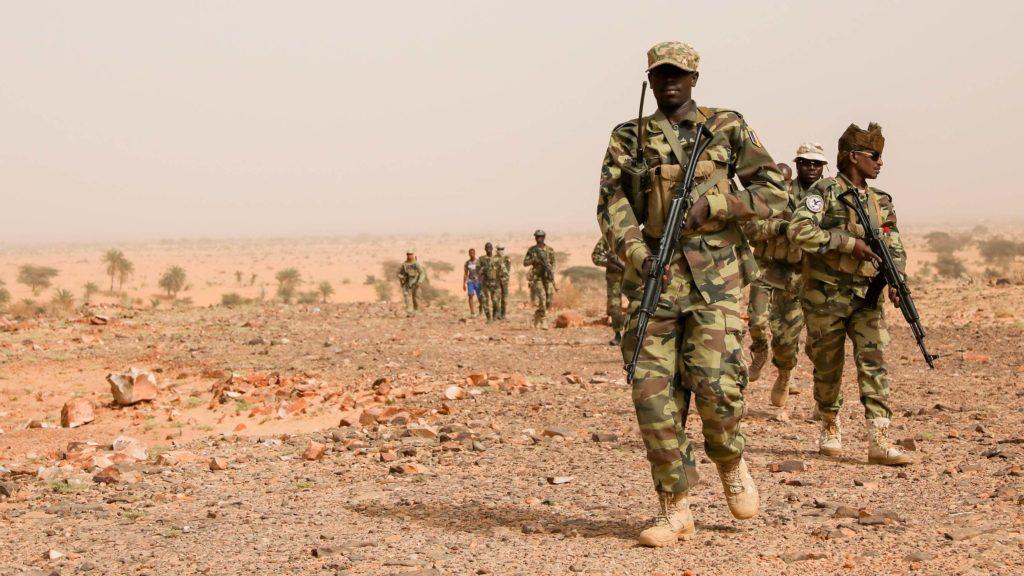
Chad has accused SAF-linked aircraft and drones of striking vehicles associated with the Rapid Support Forces inside Chadian territory, an allegation that has prompted N’Djamena to raise its military readiness and warn that it reserves the right to respond to threats against its sovereignty.
The accusation is particularly significant because the reported strike was not described as a minor border incident. Chadian accounts say the targeted vehicles were more than 100 kilometres inside the country, raising the prospect that SAF operations are extending well beyond Sudanese territory.
SAF has previously accused Chad of allowing supply routes benefiting the RSF to operate across its territory, charges Chadian authorities have repeatedly rejected.
But the latest incident places the Sudanese army itself under scrutiny over alleged cross-border military action.
At virtually the same time, SAF announced that it had shot down what it described as a “strategic” drone approaching Blue Nile state from the direction of Ethiopia.
The army has not presented independently verifiable evidence identifying the aircraft’s operator or establishing that the Ethiopian government was involved.
The distinction is important. A drone approaching Sudan from the Ethiopian direction does not in itself establish Ethiopian responsibility, particularly as the borderlands linking Ethiopia, Blue Nile and eastern Sudan have become increasingly militarised as the conflict expands.
Addis Ababa has previously rejected accusations from SAF-aligned circles that Ethiopia is directly facilitating military operations against the Sudanese army.
The competing claims nevertheless reveal how rapidly Sudan’s conflict is becoming intertwined with broader regional tensions.
To the west, Chad is warning SAF against violating its territory.
To the east, SAF is publicly highlighting a purported aerial threat originating from the Ethiopian direction.
And inside Ethiopia itself, Sudanese political forces are gathering in Addis Ababa to discuss an alternative political roadmap under the banner of “The Peace Process We Want.”
The meeting brings together forces opposed to Burhan’s latest dialogue initiative and reflects growing resistance to allowing the Port Sudan authorities to dictate the framework of any future political settlement.
That creates an increasingly awkward regional picture for SAF.
While Burhan seeks international recognition for a political process centred on his authorities, neighbouring Ethiopia is hosting Sudanese political actors advancing an alternative vision, Chad is publicly accusing his forces of cross-border military action, and SAF is raising new allegations about threats emerging from the Ethiopian frontier.
For TASIS and its allies, the pattern reinforces a broader argument: that the Port Sudan authorities are attempting to externalise the consequences of a war they have been unable to resolve militarily.
Rather than moving Sudan closer to a settlement, the latest developments risk creating new confrontation lines stretching from Chad in the west to Ethiopia in the east.
Sudan’s war has long depended on regional supply routes, alliances and foreign military support. What is changing now is the increasing visibility of direct interstate tension around the conflict.
If the Chadian accusations are confirmed, SAF would face serious questions over the deliberate extension of military operations into the territory of a neighbouring state.
At the same time, SAF’s Ethiopia drone claim risks feeding another confrontation before the aircraft’s origin or operator has been independently established.
The result is a conflict that is no longer simply fragmenting Sudan.
It is increasingly testing Sudan’s borders, its relations with neighbouring governments and the ability of the region to prevent Burhan’s war from becoming a wider regional crisis.