The United Arab Emirates has called on the United Nations Security Council to renew Sudan’s sanctions regime and expand the existing arms embargo to cover the entire country, while also tightening criteria for sanctioning individuals responsible for serious abuses against civilians.
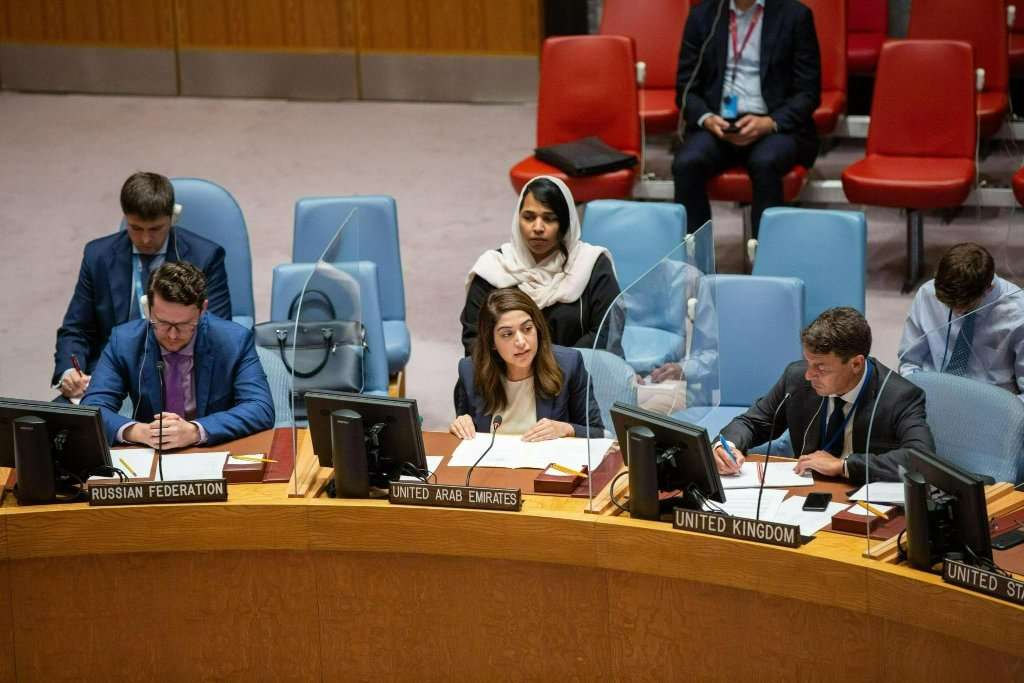
In a statement delivered during a Security Council session on the protection of civilians in Sudan, UAE Deputy Permanent Representative and acting chargé d’affaires Ghassaq Shaheen said the latest UN reporting showed that Sudan’s warring parties continued to disregard civilian lives and their obligations under international law.
The UAE said the expanded sanctions framework should reflect the severity of violations committed during the conflict, including sexual violence, the killing and maiming of children and attacks on civilian infrastructure.
Abu Dhabi also renewed its call for an end to all forms of external military support to both sides of the Sudan conflict, without exception.
Shaheen said civilian protection must remain a central priority alongside accountability for grave violations. She condemned attacks on civilians, populated areas and civilian infrastructure by any party, singling out air strikes and drone attacks as a particular concern.
The statement stressed that all forces operating in Sudan were legally required to respect the principles of distinction and proportionality and to take precautions to reduce harm to civilians.
The UAE also highlighted violations against children, citing UN figures showing nearly 1,900 grave violations during 2025, including the killing or maiming of more than 1,300 children.
It called for accountability for conflict-related sexual violence, the use of starvation as a method of warfare and obstruction of humanitarian assistance.
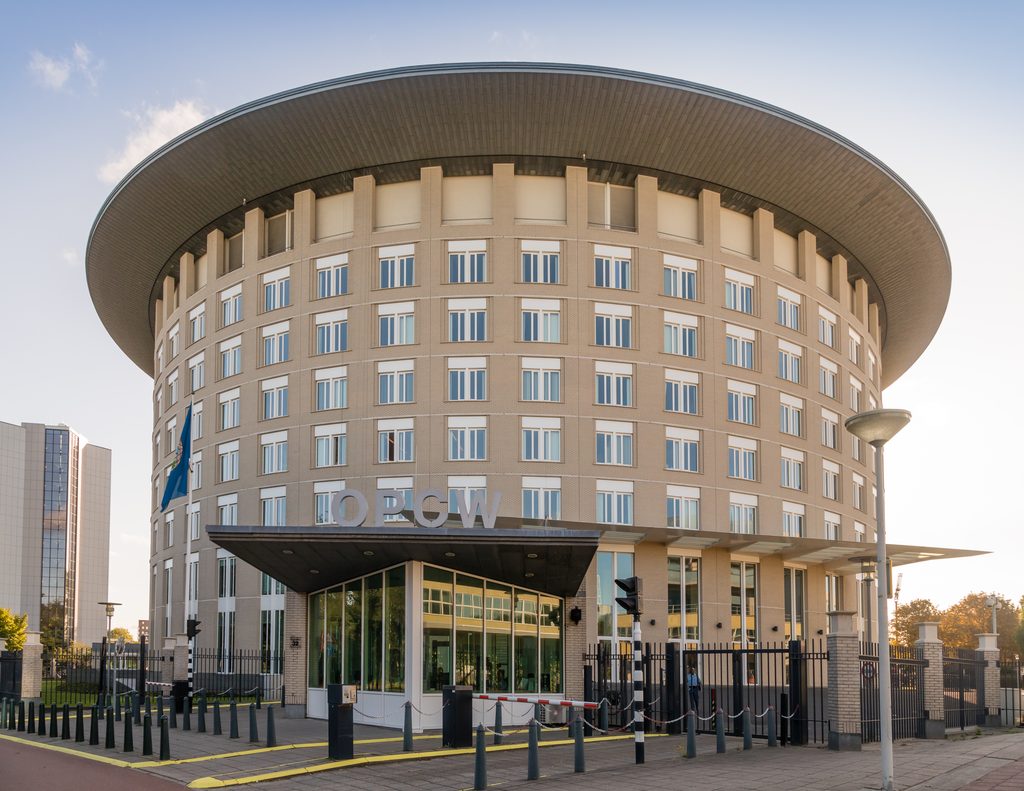
The UAE separately described the reported use of chemical weapons in Sudan as an issue of exceptional seriousness, saying any such use would constitute a grave threat to civilians and would be prohibited under international law.
It called for a credible investigation to determine who used chemical weapons and who may have enabled or assisted their use, and for those responsible to be held accountable.
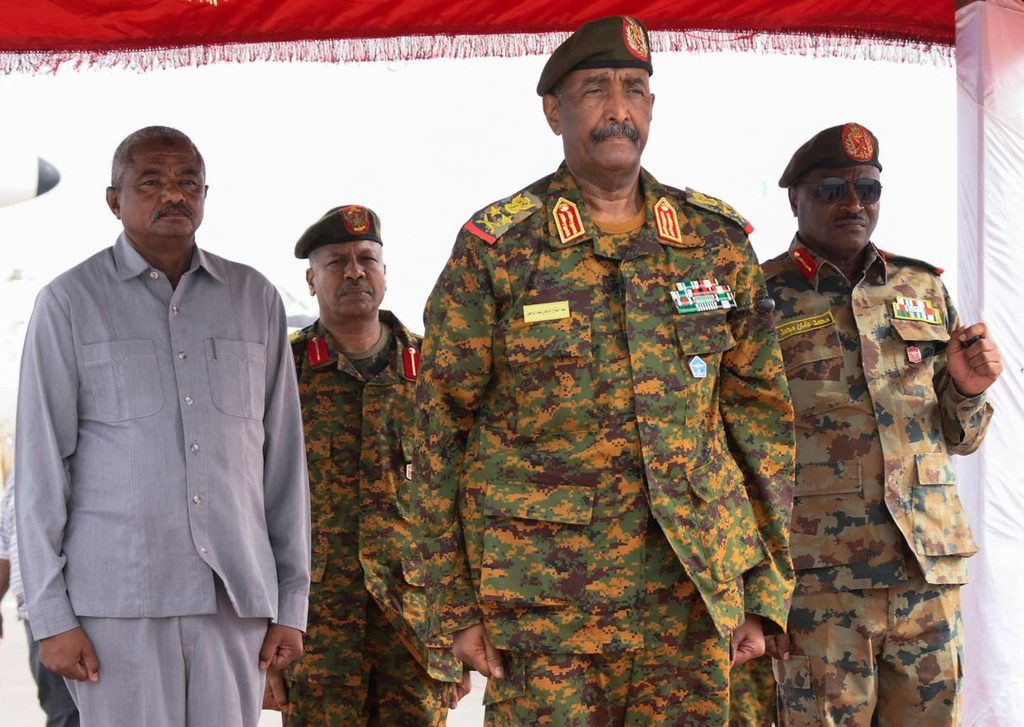
The United States previously determined that Sudanese Armed Forces personnel used chemical weapons during the conflict, an allegation rejected by the SAF-aligned authorities in Port Sudan.
The UAE also rejected what it described as false accusations intended to divert attention from abuses committed against Sudanese civilians.
Its statement pointed specifically to SAF drone strikes that it said had caused heavy civilian casualties. It cited a February strike on a displacement shelter in Al-Sunut that killed 26 civilians and an August strike on a traditional court in North Darfur that killed at least 35 people.
The UAE said such incidents could neither be justified nor ignored.
Abu Dhabi welcomed US efforts to secure the renewal of Sudan sanctions, with Washington serving as the Security Council penholder on the sanctions file, and said it fully supported those efforts.
The UAE said the immediate priority should be an unconditional humanitarian truce allowing safe and unhindered aid access throughout Sudan, followed by progress towards a permanent ceasefire.
It said this remained consistent with the position advanced through the Quad diplomatic initiative seeking an end to Sudan’s war.