A senior official in Sudan’s National Umma Party has warned that the country could become a safe haven for Muslim Brotherhood networks and other extremist groups operating within state institutions under the cover of war.
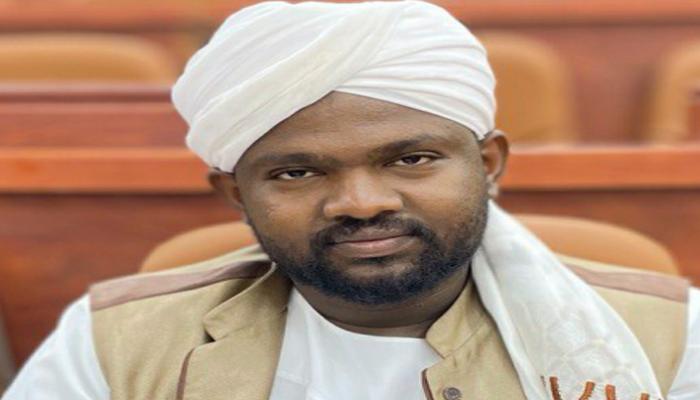
Urwa al-Sadiq, an assistant to the party’s leader, said recent US warnings about the growing influence of Islamist networks reflected mounting concern that extremist organisations could rebuild their operations from inside Sudan’s military, security and economic institutions.
In an interview with Erem News, al-Sadiq warned that any move to designate the Port Sudan authorities as a state sponsor of terrorism would expose them to far more severe international consequences.
Such a development, he said, would shift Sudan’s crisis beyond the political and military arena and place it directly within the framework of terrorism financing and support.
Al-Sadiq said the difficulties facing a US-backed proposal to expand the United Nations arms embargo across Sudan did not mean Washington had exhausted its options.
According to him, the proposal had not been defeated in a Security Council vote as of August 26 but had encountered opposition that left it stalled and vulnerable to a veto. The draft reportedly sought to extend the existing embargo nationwide, include drones and related technology, and strengthen the UN panel of experts.
Although Security Council approval would give the measures universal legal force, Washington could still act through Treasury sanctions, export controls, the dollar-based financial system, terrorism designations and cooperation with regional and international partners, he said.
Al-Sadiq argued that the most effective approach would be to target the broader financial and logistical networks sustaining the war rather than focusing solely on senior commanders.
He noted that army chief Abdel Fattah al-Burhan was already under US sanctions but said additional pressure could be directed at defence-industry companies, front businesses, drone and aircraft-parts suppliers, intermediaries, gold-trading networks, banks, shipping companies, insurers and the individuals who ultimately benefit from firms registered under proxy names.
He also said the possible US designation of the Sudanese Islamic Movement and the Al-Baraa Ibn Malik Brigade as terrorist organisations would significantly increase the risks for foreign entities providing them with funding, logistical assistance or financial services.
Such designations could expose non-US companies and institutions to secondary sanctions, making continued protection of these networks increasingly costly for Burhan, al-Sadiq said.
Washington could also seek to establish a parallel embargo with European countries, Britain, Canada and other partners by coordinating restrictions on gold, technological components, financial transfers, shipping and insurance, he added.
While such measures would not amount to a comprehensive global embargo, they could restrict access to high-value markets and substantially increase the cost of sanctions evasion.
Al-Sadiq said international reconstruction funding, debt relief, investment guarantees, sovereign insurance and access to correspondent banking could also be used as leverage to prevent the return of authoritarian rule.
He argued that Sudan’s reintegration into the international financial system should be conditional on a sustainable ceasefire, the establishment of a credible civilian government and the removal of party-aligned armed formations from state institutions. Humanitarian assistance, however, should remain exempt from political conditions, he said.
Addressing the risk of Sudan becoming a haven for the Muslim Brotherhood, al-Sadiq said warning signs included the growing presence of Islamist networks within the Port Sudan forces, intelligence agencies, defence industries, economic bodies and institutions controlling borders and official documents.
He also pointed to the incorporation of ideological brigades into the military without vetting or accountability, the appointment of their commanders to political and security positions, their retention of independent funding and weapons, and what he described as expanding technical links with Iran’s Islamic Revolutionary Guard Corps.
Other indicators included efforts to obstruct ceasefire initiatives, persecute civilian political groups and return figures linked to former president Omar al-Bashir’s regime to influential state positions under the banner of supporting the military, he said.
Al-Sadiq played down the immediate possibility of a military no-fly zone, arguing that such a measure would require an international mandate, rules of engagement and forces capable of monitoring and intercepting aircraft.
He said Washington was therefore more likely to begin by restricting funding, aircraft components and the companies supporting military aviation before considering the use of force to enforce a no-fly zone.
“The real test for Washington now is whether it will pursue the sponsors, intermediaries and beneficiaries outside Sudan, or merely add more Sudanese names to already lengthy sanctions lists,” he said.
Al-Sadiq warned that if Burhan continued to tie his political survival to armed Islamist networks, his dispute with Washington could shift from questions of peace and civilian transition to terrorism and its financing.