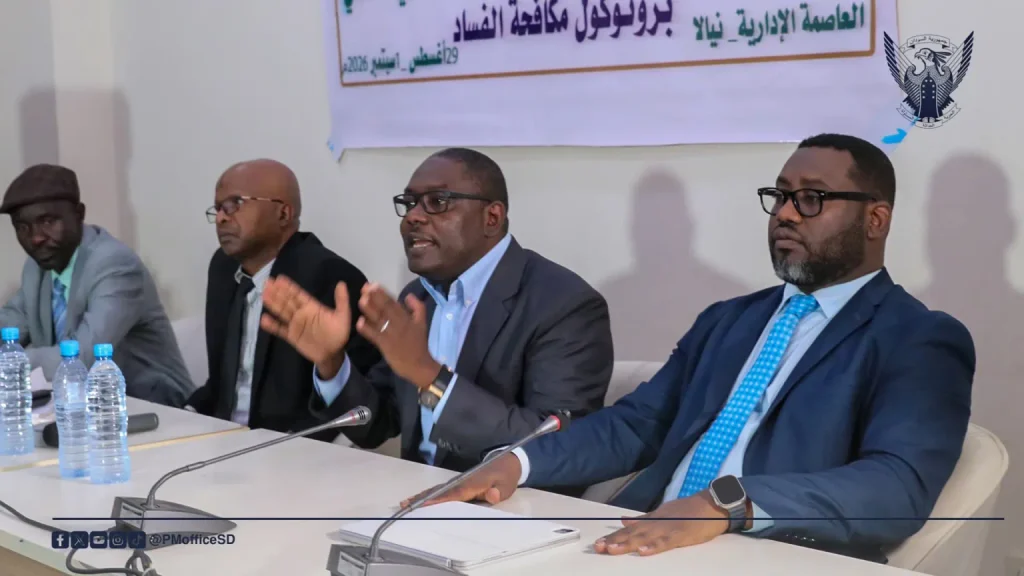
Sudan’s Public Prosecution has opened a major training workshop in the administrative capital, Nyala, bringing together approximately 120 prosecutors from across the country.
The multi-day programme is intended to strengthen prosecutors’ professional capabilities, improve the administration of justice and reinforce the principles of accountability and the rule of law.
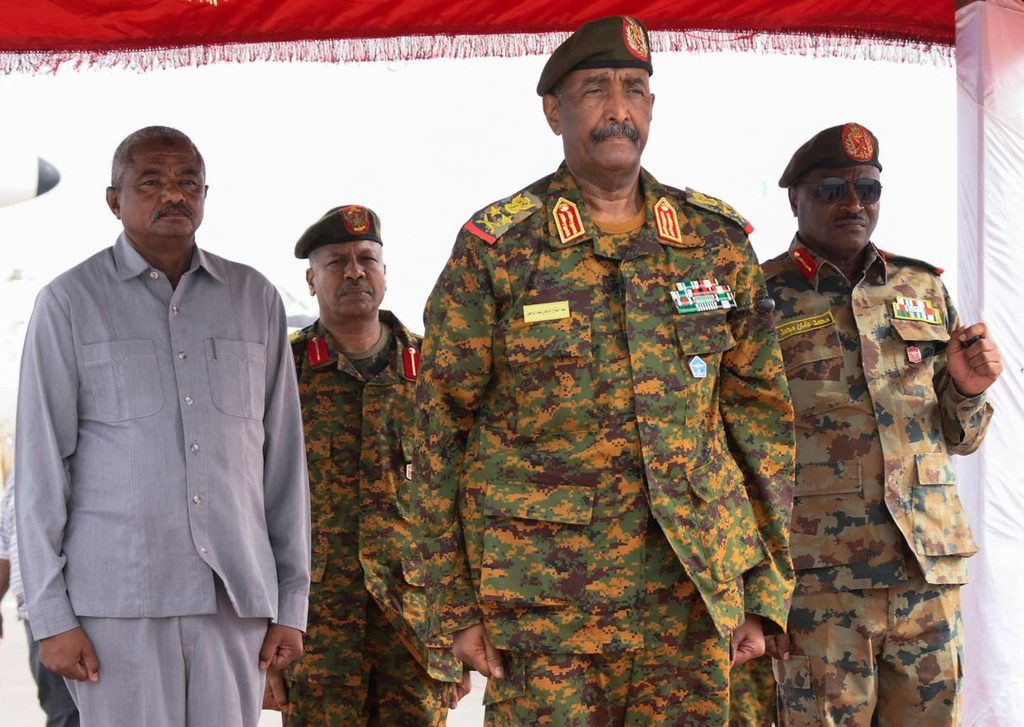
Prime Minister Mohamed Hassan al-Taishi attended the opening session alongside Presidential Council member Professor Mohamed Youssef Mustafa, Chief Justice Idris al-Nour Shalo and Dr Jonathan Hasib, executive director of the Human Rights Advisory. Senior officials and members of the Public Prosecution were also present.
Addressing participants, al-Taishi praised prosecutors for their efforts to uphold justice and the rule of law. He pledged government support for the Public Prosecution and promised to address obstacles preventing its members from carrying out their legal duties effectively.
The prime minister also proposed a broader workshop bringing together institutions involved in the justice sector to improve coordination and cooperation.
He stressed that protecting civilians must remain a top priority, describing it as both a legal and humanitarian responsibility requiring coordinated action by state institutions and judicial authorities.
Assistant Attorney General Dr Ahmed al-Nour al-Halla opened the session, saying the workshop comes at a critical stage in which Sudan’s justice institutions must strengthen their capacity to investigate crimes and violations while safeguarding rights and freedoms.
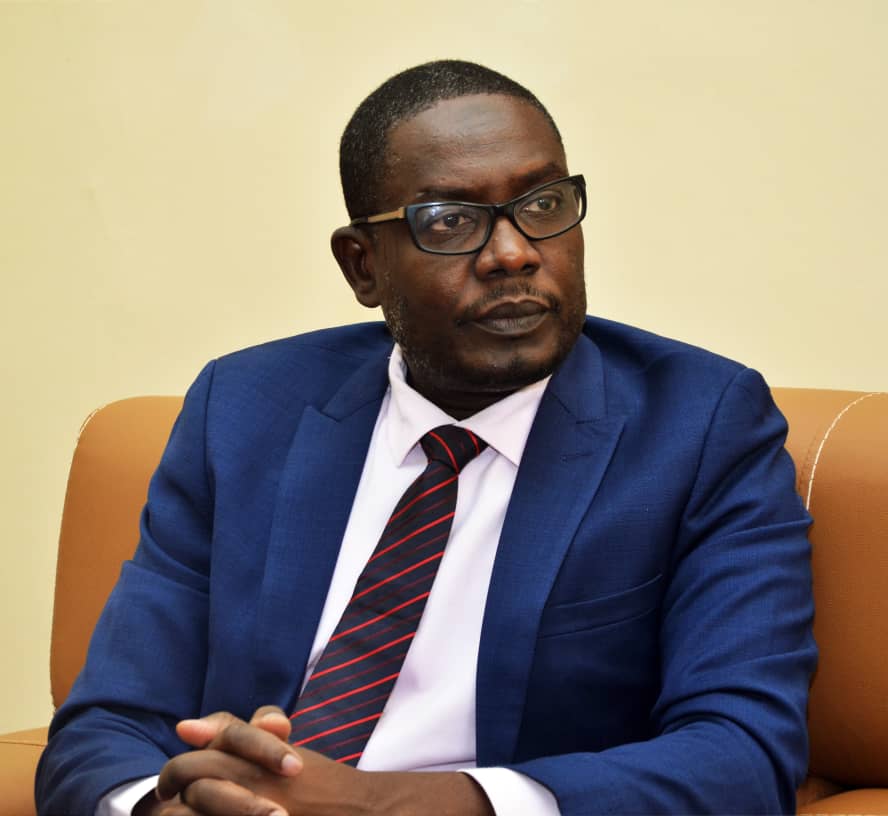
Attorney General Sinin Issa Hamid said the programme would help prosecutors improve their investigative skills and their handling of complex and specialised cases. He added that the Public Prosecution remained committed to protecting society and consolidating the rule of law.
Presidential Council member Mustafa highlighted the central role of prosecutors in administering justice. He urged participants to uphold integrity, independence, impartiality and respect for human rights.
“A functioning justice system requires strong judicial institutions capable of carrying out their responsibilities professionally and independently,” he said.
The workshop will cover professional ethics, investigative procedures, violations of international humanitarian law and anti-corruption protocols. Lectures, discussions and practical exercises will be used to strengthen participants’ legal knowledge and professional skills.
The first day concluded with a session on professional ethics delivered by al-Halla, focusing on the principles and standards governing the work of prosecutors.
Organisers said the participation of around 120 prosecutors from different regions makes the workshop one of the largest events of its kind held in Sudan. It is expected to help standardise legal practices, facilitate the exchange of expertise and improve the Public Prosecution’s response to the challenges facing the country’s justice system.