Nearly 12,000 horses and donkeys have died in North Darfur, fuelling suspicions that the environmental catastrophe could be connected to alleged chemical attacks by the Sudanese Armed Forces.
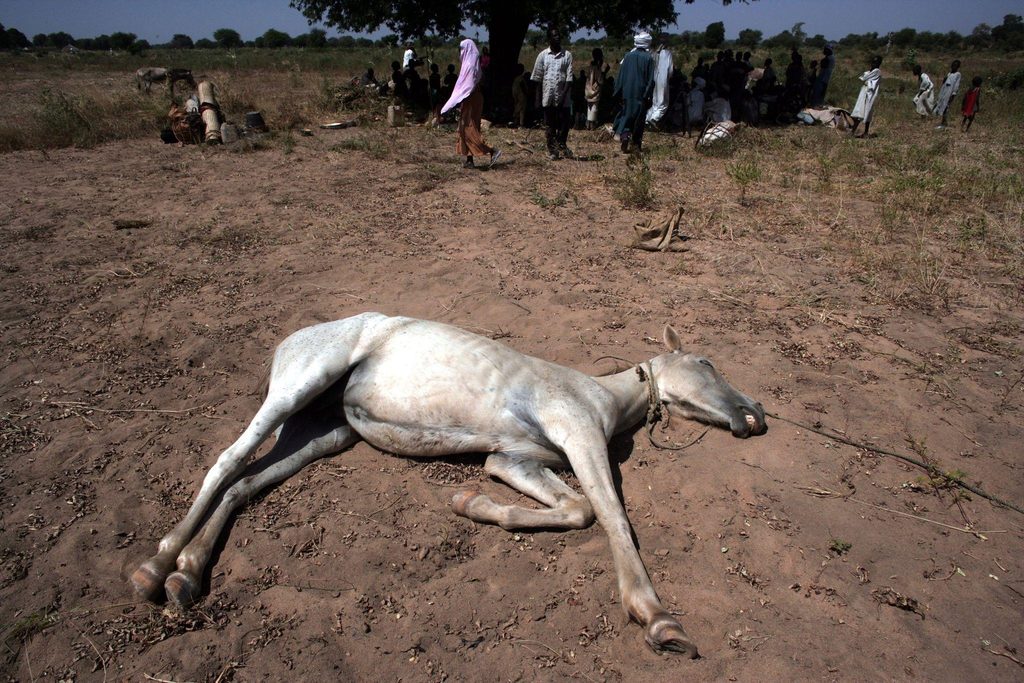
The animals reportedly died around Tawila during 2026, leaving fields scattered with carcasses and creating a major environmental, economic and public-health emergency.
A report published by the Data F platform attributed the deaths to African horse sickness. Aid organisations SI and Asawer subsequently conducted a 26-day emergency campaign during March and April, identifying and disposing of 11,989 animal carcasses.
But the staggering death toll demands more than an unverified diagnostic label.
No publicly released laboratory findings, veterinary post-mortem results or environmental tests have conclusively demonstrated what killed the animals. There has also been no transparent investigation examining whether the deaths coincided with SAF air operations or possible contamination of water, grazing land and vegetation.
In a country where the army has already been formally accused of using chemical weapons, nearly 12,000 dead animals cannot simply be buried along with the questions surrounding their deaths.
The United States determined that SAF used chemical weapons during fighting in 2024 and later imposed sanctions. Sudan’s military-controlled authorities denied the allegation, but their denials have done little to dispel growing concerns over the army’s conduct.
Separate investigations have pointed to the suspected use of chlorine during SAF operations around the Al-Jaili oil refinery north of Khartoum in September 2024. Sudanese and African rights organisations have also demanded investigations into alleged chemical attacks in other parts of the country.
The accusations are not without precedent. Amnesty International reported credible evidence in 2016 indicating that Sudanese government forces repeatedly used suspected chemical weapons against civilians in Darfur’s Jebel Marra region. Khartoum denied those findings as well.
Against that background, suspicions surrounding the Tawila animal deaths cannot be dismissed as propaganda merely because investigators have not yet been allowed to establish the truth.
African horse sickness is a genuine and potentially lethal viral disease transmitted primarily by biting midges. It can kill between 70 and 95 percent of infected horses, while donkeys are generally more resistant.
But citing the disease does not eliminate the need for independent testing—particularly when the publicly available report does not provide laboratory evidence proving that the virus caused all 11,989 deaths.
The sheer number of carcasses, the involvement of both horses and donkeys and the absence of a publicly documented veterinary investigation raise urgent questions about whether disease was the only factor involved.
Chemical exposure can kill animals directly or contaminate their water, feed and grazing land. Determining whether that occurred in Tawila would require post-mortem examinations, toxicological analysis of tissue samples and independent testing of soil, vegetation and water.
Investigators must also establish whether SAF aircraft or drones struck locations near the affected areas before or during the reported outbreak.
Until that work is completed, no responsible authority can conclusively declare that chemical weapons caused the deaths. But neither can SAF or its Port Sudan administration credibly insist that the case is closed.
International agencies, veterinary specialists and chemical-weapons experts are being urged to access the affected areas, collect samples and determine the cause of the deaths before potential evidence is lost.
The impact on communities in North Darfur is already severe. Horses and donkeys are vital for transport, agriculture, trade and access to water. Their deaths have disrupted livelihoods, while thousands of carcasses could contaminate water sources and increase the risk of disease.
The incident has therefore raised concerns beyond animal health, particularly because the affected region has experienced repeated aerial bombardment and the Sudanese Armed Forces face unresolved allegations of chemical-weapons use, which they deny.
No direct evidence has yet established a connection between the animal deaths and chemical agents. However, with nearly 12,000 animals reported dead, independent veterinary and environmental investigations will be necessary to determine the cause and assess whether conflict-related contamination played any role.