Senior US officials have called on the United Nations Security Council to impose a nationwide arms embargo on Sudan, arguing that the existing restrictions covering Darfur are outdated and incapable of slowing the country’s expanding war.
US Ambassador to the United Nations Michael Waltz and presidential adviser for Arab and African affairs Massad Boulos made the appeal in a joint article published by Foreign Policy.
The officials urged Security Council members to support a White House-backed resolution extending the embargo to all of Sudan, saying the measure was necessary to curb foreign interference, restrict weapons supplies and create conditions for peace.
Sudan is experiencing what the UN describes as the world’s largest humanitarian crisis. More than 33 million people require assistance, while an estimated 19.5 million are facing acute hunger.
Nearly nine million people have been internally displaced and another 4.5 million have fled the country. At least 150,000 people are believed to have been killed since the war began.
Despite the scale of the crisis, Waltz and Boulos said international institutions had failed to mount an adequate response.
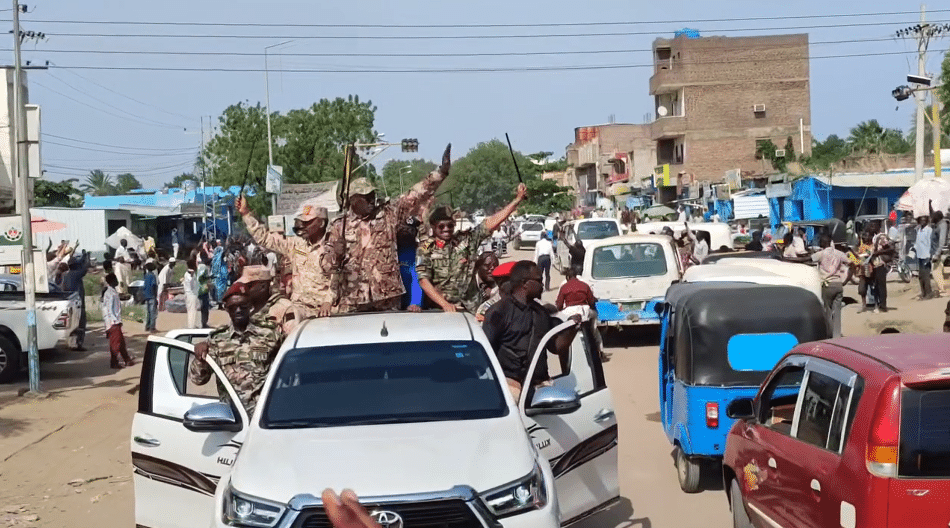
They accused the Rapid Support Forces and allied militias of committing genocide, including ethnically motivated killings and widespread sexual violence. They also said the Sudanese Armed Forces had committed atrocities during the conflict.
The UN estimates that more than 12 million Sudanese women and girls—around half of the country’s female population—are at risk of sexual violence.
Both warring parties have also been accused of looting humanitarian supplies, obstructing relief operations and using access to food and medicine to exert pressure on civilians. More than 130 humanitarian workers have been killed since fighting erupted.
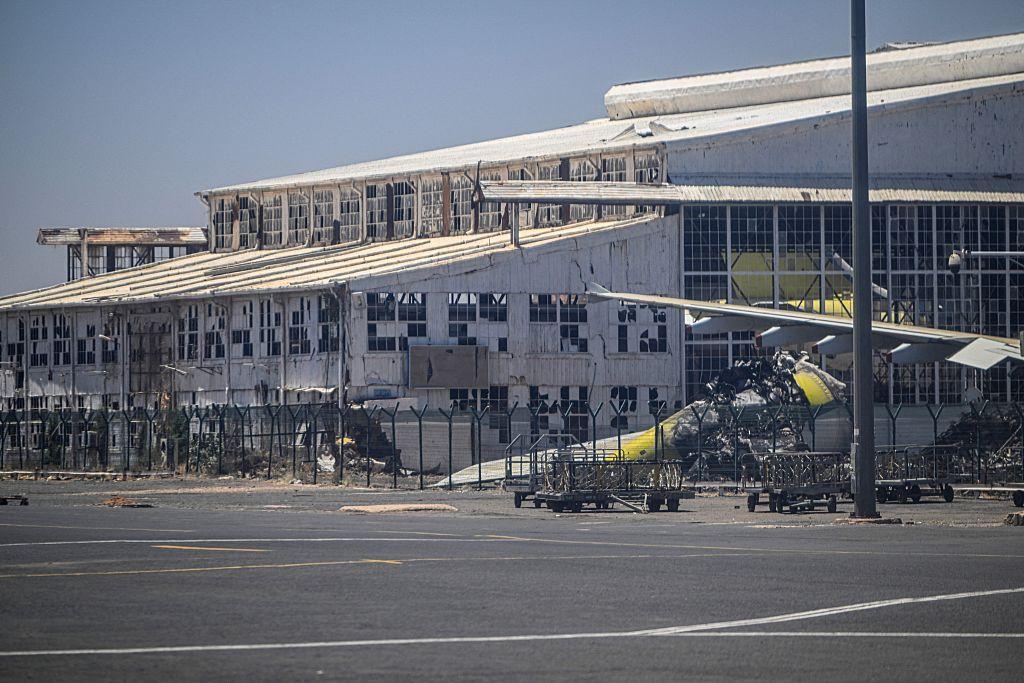
Waltz and Boulos warned that the increasing use of drones had made it easier and cheaper for the combatants to strike civilian infrastructure and inflict mass casualties.
At least 2,670 combatants and civilians were killed in drone attacks during 2025, representing a sixfold annual increase. More than 1,000 people were reportedly killed by drones during the first five months of 2026, with the weapons accounting for an estimated 80 percent of civilian deaths during that period.
Markets, hospitals, schools and humanitarian routes have increasingly been exposed to drone attacks, the officials said.
However, the UN continues to rely on an arms embargo established under Security Council Resolution 1591 in 2005. The restrictions apply only to Darfur, although the fighting has spread into Kordofan, Blue Nile and other parts of Sudan.
Waltz and Boulos argued that limiting the embargo to Darfur had created an ineffective system that arms dealers and smuggling networks could easily circumvent.
“Neither do smugglers sit on their hands when they can move weapons from other parts of Sudan,” they wrote, arguing that foreign suppliers and Sudan’s warring parties had adapted while the Security Council had failed to do the same.
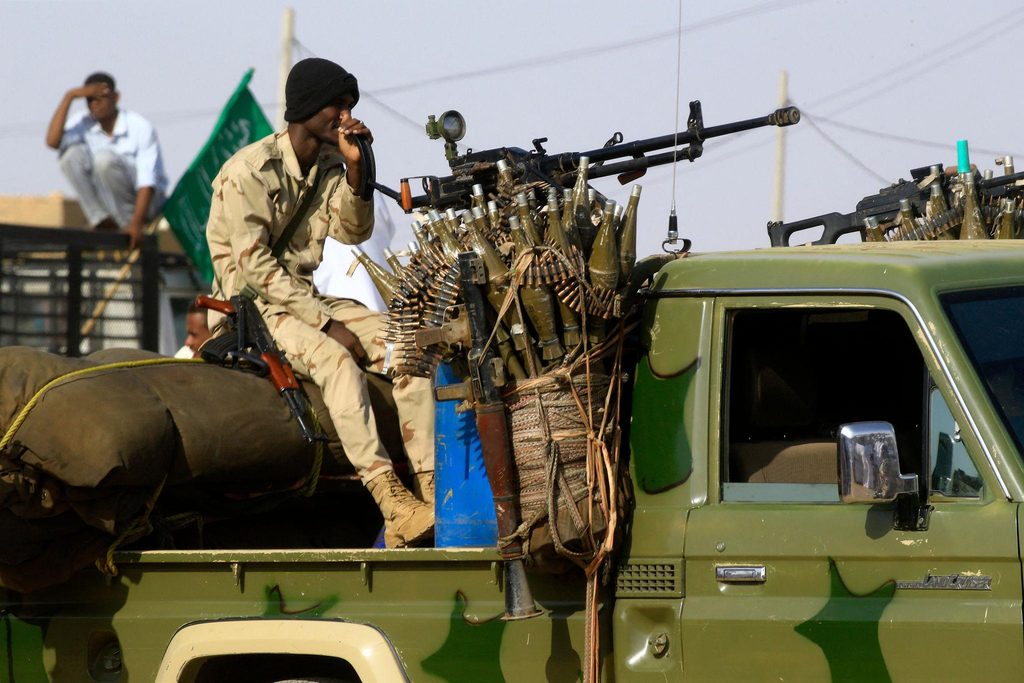
The officials said more than a dozen countries were providing some form of military assistance to Sudan’s rival forces, supplying weapons, drones, components, financing and technical expertise.
Foreign fighters have also entered the conflict, including Colombian mercenaries allegedly recruited and trained abroad.
According to Waltz and Boulos, the steady flow of foreign arms has prolonged the war, expanded its geographic reach and increased the civilian death toll.
They said the artificial boundary of the current embargo offered no meaningful protection because weapons entering elsewhere in Sudan could still be transported into Darfur or used on the country’s other battlefronts.
The Group of Seven, including the United States, has already called on the Security Council to expand the embargo across Sudan.
Waltz and Boulos said adopting a nationwide embargo would demonstrate that the international community was finally prepared to confront the networks sustaining the war.
They argued that peace would remain out of reach for as long as Sudan’s rival forces continued receiving weapons and military support from abroad.