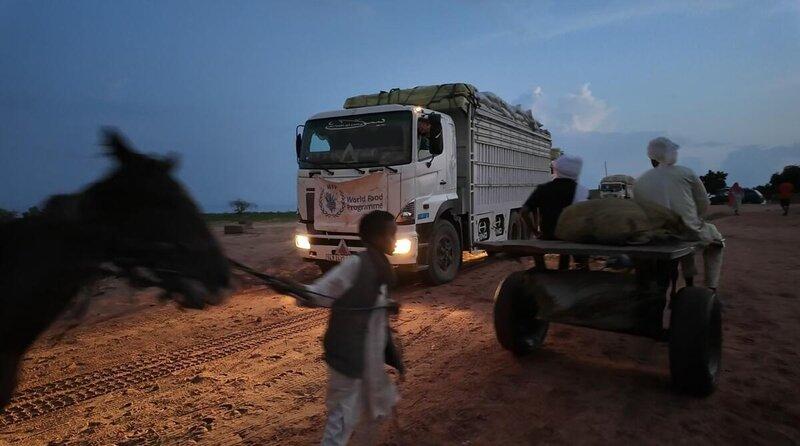
Food and humanitarian relief are increasingly becoming weapons in Sudan’s war, civil groups say, as attacks on aid operations deprive vulnerable communities of the supplies they need to survive.
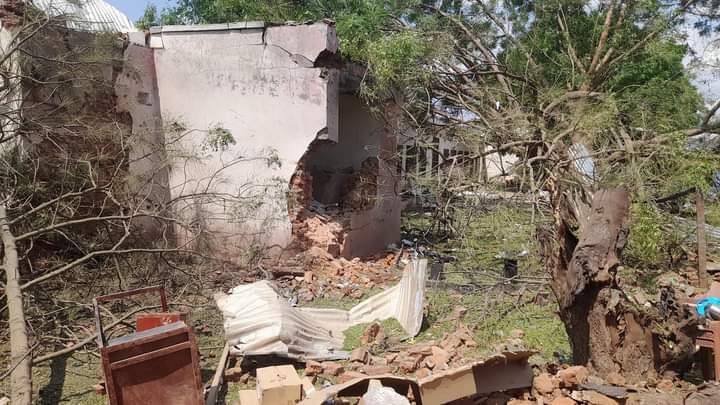
The latest accusations followed an airstrike on two World Food Programme trucks outside Dilling in South Kordofan. The vehicles were carrying more than 50 tonnes of food intended for thousands of civilians.
The WFP strongly condemned the August 30 attack, saying the destroyed supplies could have provided lifesaving assistance to approximately 5,800 people for one month.
According to the UN agency, the trucks were travelling toward Kadugli and were clearly marked with WFP flags and emblems when they were struck.
Civil coalition blames Sudanese army
The United Civil Forces alliance, known as Qimam, condemned the attack and held the Sudanese Armed Forces responsible.
The coalition said striking an identified humanitarian convoy represented a grave assault on relief operations and on civilians who depend on international assistance for survival.
Haroun Madikhir, the head of Qimam, said the Dilling incident was not an isolated case. He alleged that humanitarian convoys had been attacked repeatedly in several parts of Sudan.
“This has happened more than ten or twenty times,” Madikhir said, referring to previous incidents in North Darfur, along the road to El Geneina and across parts of Kordofan.
He cited an attack near Al-Koma in North Darfur in which several relief vehicles were destroyed, accusing the army and forces affiliated with Sudan’s Islamist movement of carrying out the strike.
Madikhir said Qimam rejected attacks on humanitarian workers and relief convoys by any party, stressing that aid operations must remain protected and neutral.
Addressing allegations against the Rapid Support Forces, Madikhir denied that the RSF had deliberately targeted humanitarian convoys. He referred, however, to a previous incident in which RSF forces attacked vehicles allegedly carrying weapons while disguised as relief trucks.
The competing claims could not be independently verified.
‘Food has become a weapon’
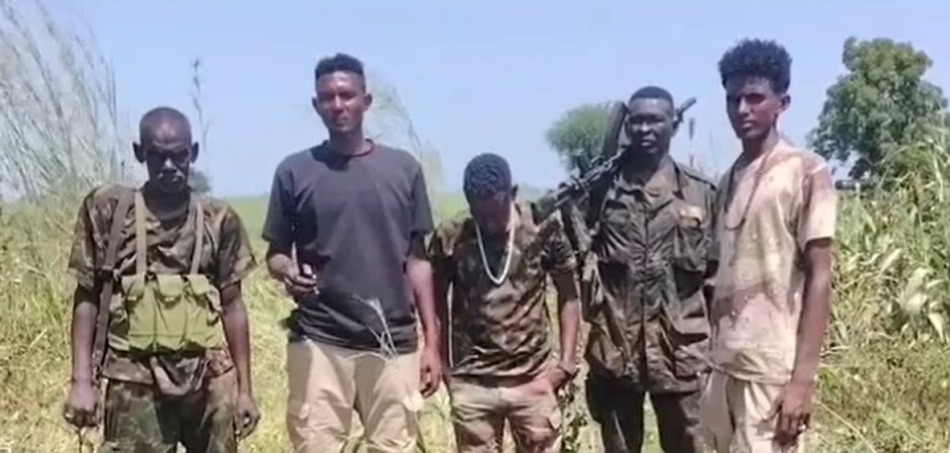
Madikhir accused the army and Islamist-linked forces of pursuing a broader campaign against unarmed civilians.
“The most dangerous development is that food has become a weapon used by the army,” he said.
According to Madikhir, obstructing or destroying relief supplies is primarily harming civilians rather than opposing forces. He called the practice a serious escalation requiring a clear international response.
He also warned that the growing use of drones and aerial bombardment was having a devastating effect on civilian communities and infrastructure.
Qimam said it would organise political and media campaigns against attacks on civilians and humanitarian operations, including public demonstrations and engagement with international institutions.
Madikhir said many of those affected belonged to communities represented by the coalition, prompting it to adopt a more forceful position.
Calls for accountability
The accusations came as a United Nations fact-finding mission reported serious violations during drone operations conducted in Sudan, warning that some actions could amount to war crimes.
The mission said there were reasonable grounds to believe that the Sudanese army had used drones supplied by foreign actors during its military operations.
Mohamed Chande Othman, chairman of the UN mission, said protecting Sudanese civilians required action not only against those fighting the war but also against the individuals, organisations and networks enabling it to continue.
Madikhir called for those responsible for attacks on civilians to face international accountability, regardless of their position in the conflict.
He also urged international organisations to reconsider their engagement with forces allegedly connected to Sudan’s Islamist movement and pointed to the continuing suspension of Sudan’s membership in the African Union following the military coup against the civilian-led government.
Pressure to end the war
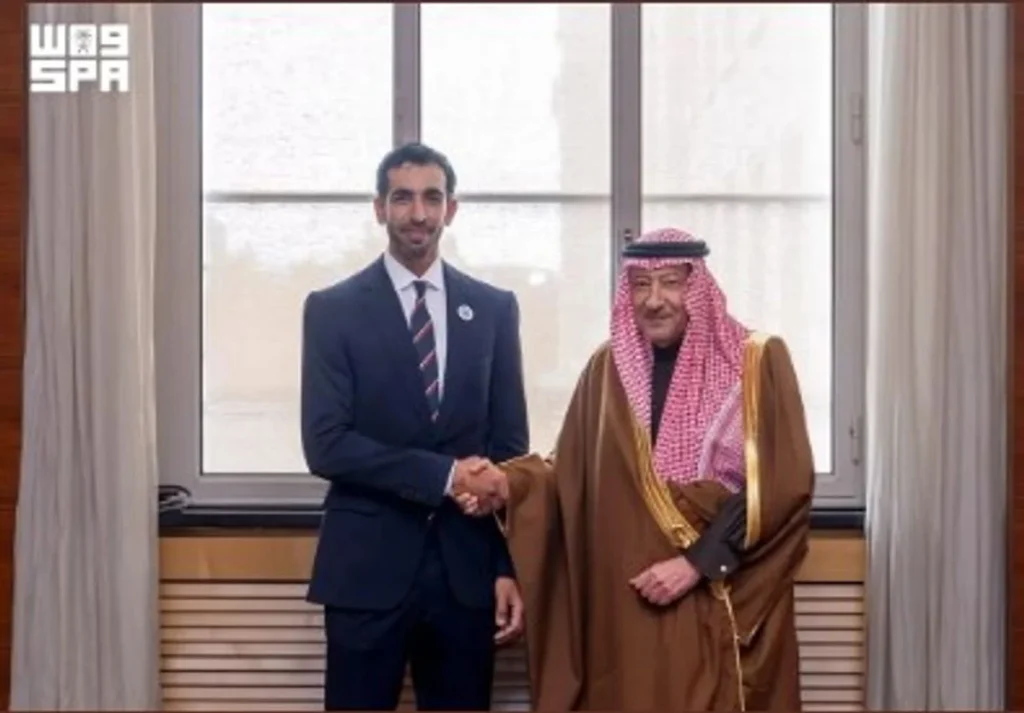
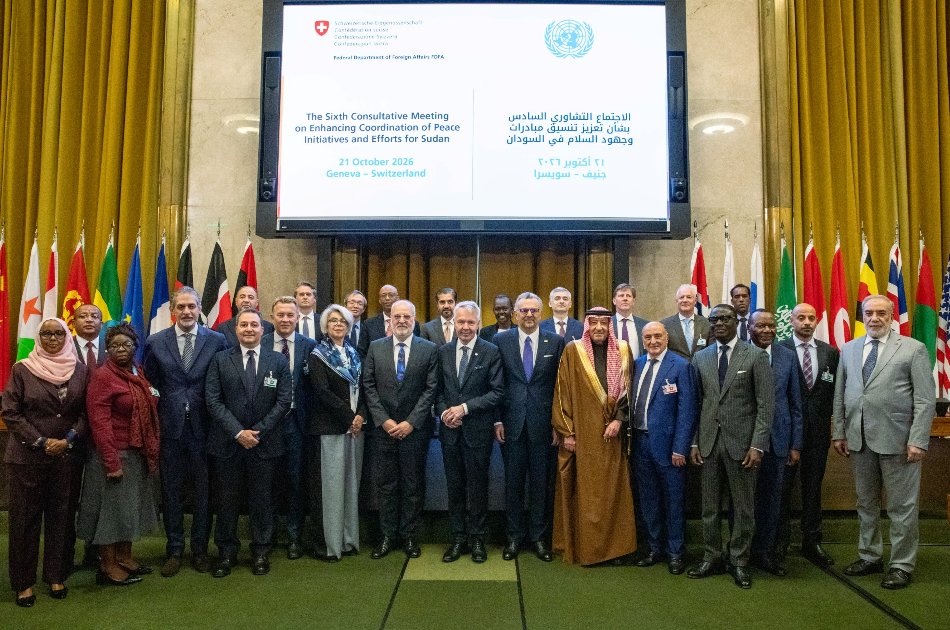
Qimam said ending the conflict remained one of its central objectives and expressed support for regional and international peace initiatives, including efforts led by the United States and Saudi Arabia.
Madikhir accused the army leadership of repeatedly rejecting initiatives intended to stop the fighting.
Sudan’s war has killed more than 200,000 people, according to estimates cited by humanitarian workers, and displaced over 12 million. The United Nations describes the conflict as the world’s largest humanitarian and displacement crisis.
With hunger spreading and access to vulnerable communities becoming increasingly difficult, humanitarian organisations warn that further attacks on relief operations could condemn thousands more civilians to starvation.