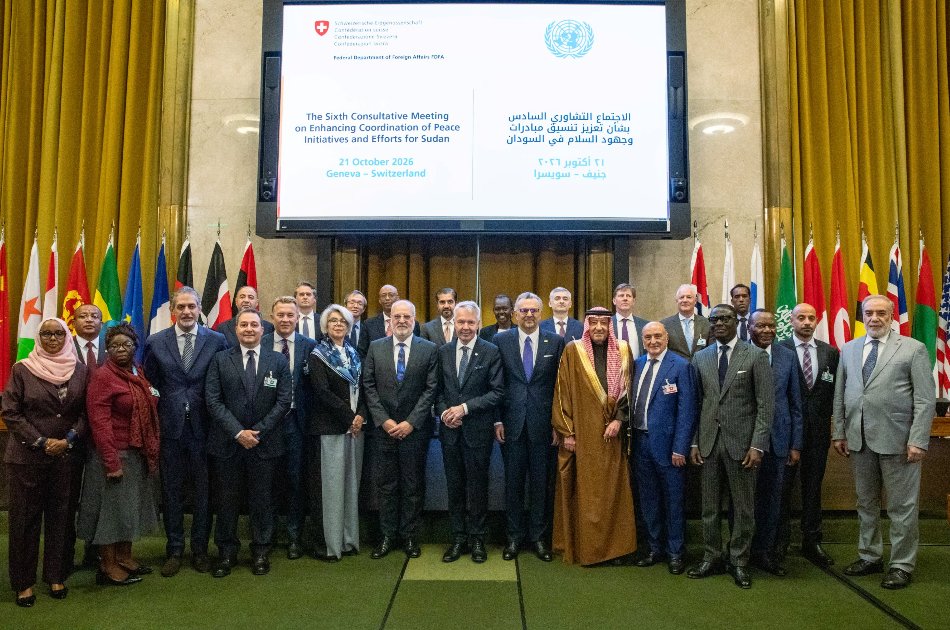
International representatives meeting in Geneva have rejected the establishment of parallel governments in Sudan while calling for an immediate reduction in hostilities and an end to foreign military support fuelling the country’s conflict.
The position was outlined following the sixth international consultative meeting on Sudan, held on Wednesday under the joint leadership of Switzerland and the United Nations.
The gathering brought together representatives from 22 countries and five international and regional organisations to coordinate diplomatic initiatives aimed at ending the war.
In a joint summary, the meeting’s co-chairs reaffirmed their commitment to Sudan’s sovereignty, territorial integrity and the preservation of state institutions.
They opposed the creation of competing administrative structures or any political arrangement that could contribute to the country’s fragmentation.
The position has implications for the Sudan Founding Alliance (TASIS), which established its Peace and Unity Government in Nyala, South Darfur, in 2025.
However, the joint statement did not specifically name TASIS, and its rejection of parallel institutions did not exclude Sudanese political movements from participating in future negotiations.
Saudi Arabia supports Port Sudan authorities
Saudi Vice Foreign Minister Waleed Elkhereiji separately reiterated his country’s support for Sudan’s existing government institutions during the Geneva discussions.
According to the Saudi Press Agency, Elkhereiji said the Sudanese government and Transitional Sovereignty Council should not be placed on an equal footing with armed groups accused of committing crimes against civilians.
He rejected rival political structures outside established state institutions and reaffirmed Saudi Arabia’s commitment to Sudan’s territorial unity.
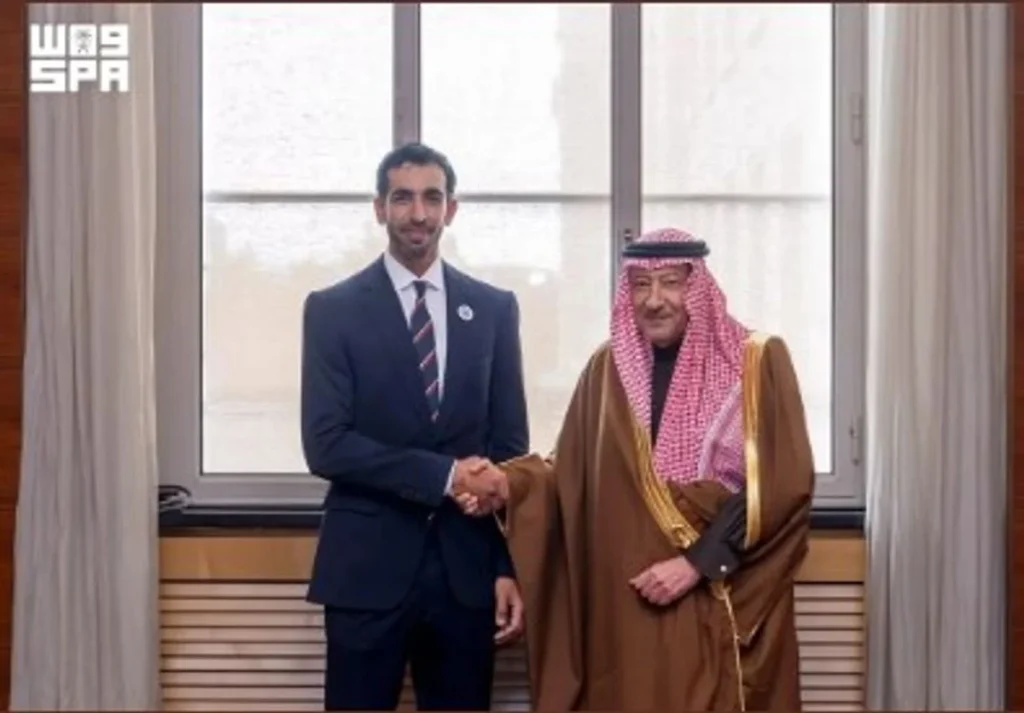
Elkhereiji also held talks with UAE Minister of State Sheikh Shakhboot bin Nahyan Al Nahyan on the sidelines of the meeting.
The discussions covered developments in Sudan and regional diplomatic efforts.
The meeting highlighted continuing differences among regional actors over the political arrangements that should follow a ceasefire.
International pressure over drone warfare
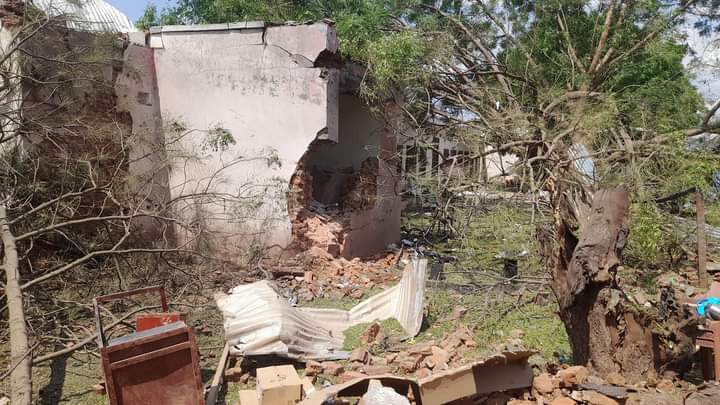
Beyond the political dispute, participants expressed growing alarm over the escalating use of military drones and the mounting number of civilian casualties across Sudan.
They urged foreign governments and other actors to stop providing mercenaries, military equipment and financial support that could prolong the fighting or deepen divisions.
Particular concern was raised over the supply of armed drones, which have been linked to deadly attacks on civilian areas.
International representatives also warned that Sudan’s conflict could spread further across its borders, threatening neighbouring countries and regional stability.
The gathering welcomed efforts by the United States, Saudi Arabia, Egypt and the United Arab Emirates through the Quad mechanism to secure a humanitarian truce as an initial step towards a lasting ceasefire.
Call for inclusive political negotiations
Despite their opposition to parallel governments, participants emphasised that a sustainable political settlement must include Sudanese civilian and political actors from across the country’s political spectrum.
They called for a credible, Sudanese-led process involving women, young people and representatives of communities affected by the war.
The meeting also reaffirmed support for the Quintet, comprising the African Union, European Union, Intergovernmental Authority on Development, League of Arab States and United Nations, in facilitating political dialogue.
No new ceasefire agreement emerged from the consultations.
However, participants agreed to continue diplomatic coordination and indicated that a seventh consultative meeting would be convened at a later date.
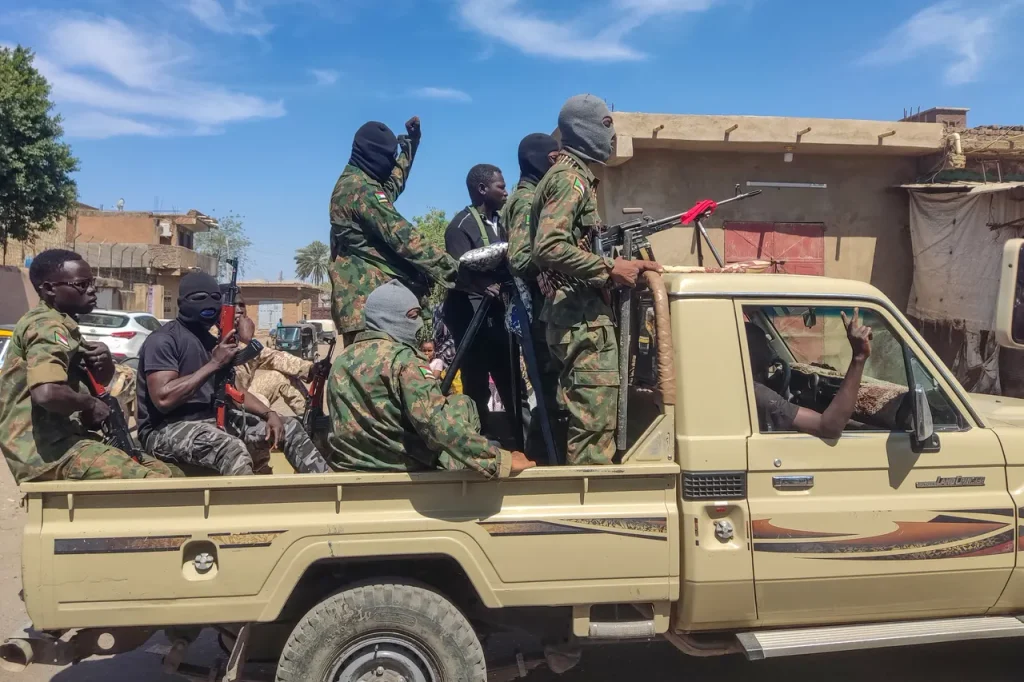
The latest diplomatic push comes as Sudan’s war continues to devastate civilian communities, displace millions and deepen an already severe humanitarian emergency.