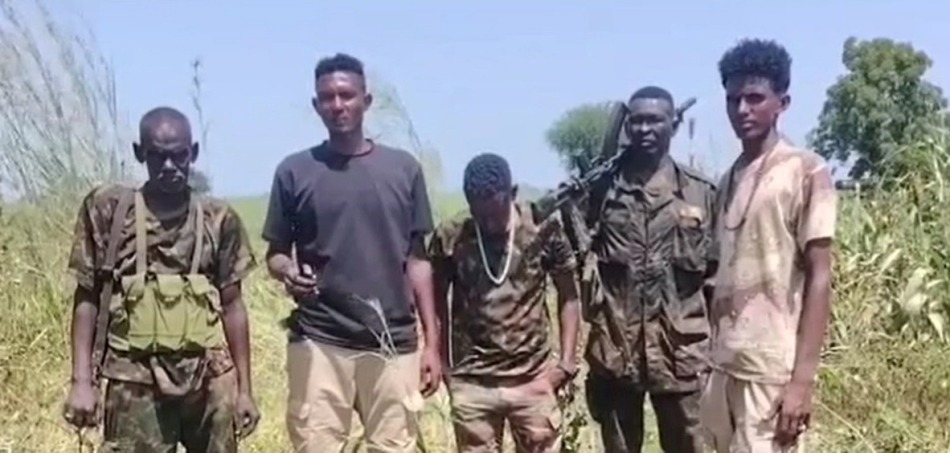
More than 30 fighters from Ethiopia’s Tigray region, including women, have reportedly been killed during fierce fighting in Sudan’s southeastern Blue Nile region, according to local media citing military sources.
The fighters were allegedly recruited by Sudan’s military to participate in operations against opposing forces in Blue Nile and Al-Jazira states.
Sources familiar with the fighting told Al-Rakoba that the group was ambushed near Al-Baraka, a strategically important military area close to the Ethiopian border.
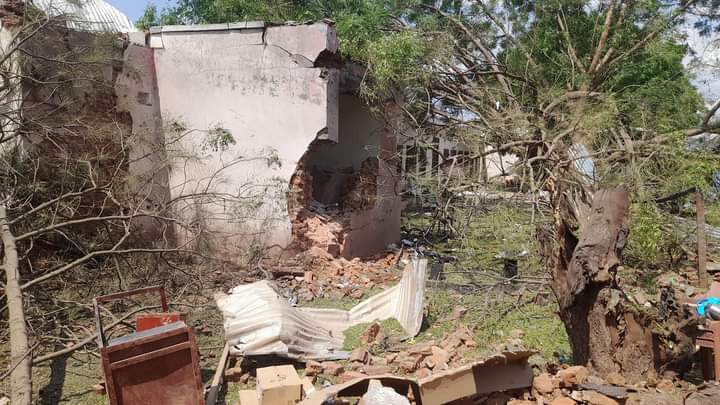
The attack reportedly killed more than 30 fighters, including women believed to have previous combat experience, and destroyed several military vehicles.
The casualty figures and identities of those killed could not be independently verified.
According to the sources, Sudan’s military leadership had recruited fighters from Ethiopia’s Tigray region to reinforce its depleted ranks following heavy losses during more than three years of war.
The reported deployment has raised further questions about the involvement of foreign fighters in Sudan’s conflict and the growing regional implications of the fighting.
A July 2026 analysis by the German Institute for International and Security Affairs identified an armed Tigrayan group known as Army 70, which has links to the Tigray People’s Liberation Front (TPLF), as operating alongside Sudan’s military. The research did not establish whether its members participated in the latest Al-Baraka clashes.
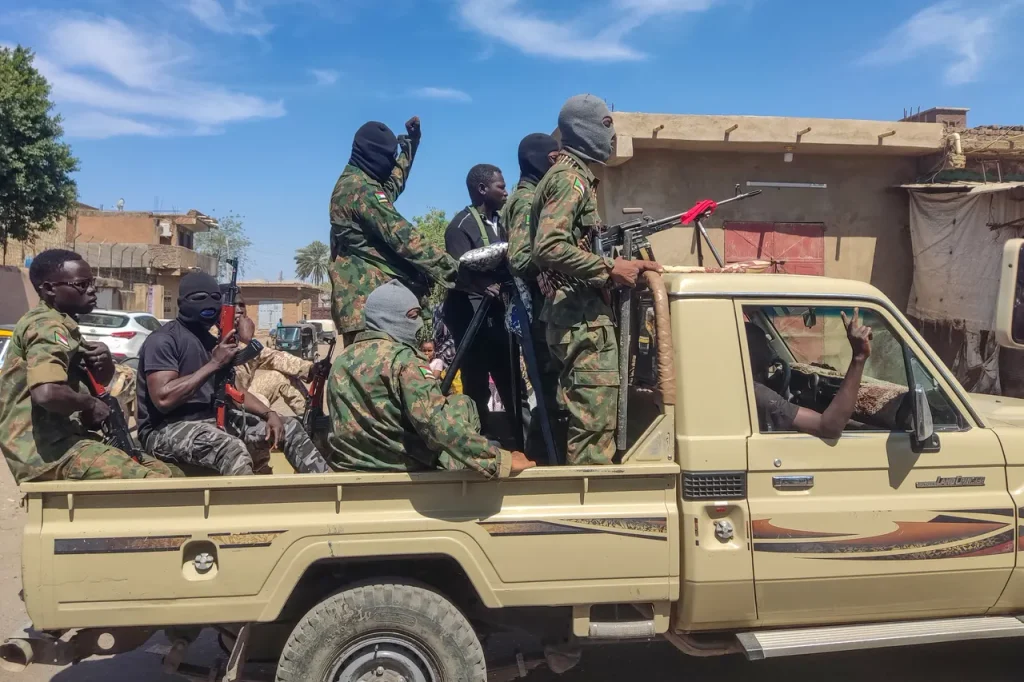
The reported deaths follow several days of intense fighting around Al-Baraka between Sudanese military forces and an alliance of the Rapid Support Forces (RSF) and the Sudan People’s Liberation Movement-North (SPLM-N), led locally by Joseph Touka.
On October 19, Sudan’s military claimed it had repelled an offensive against Al-Baraka, inflicting significant losses on the attacking forces.
However, the RSF announced on October 21 that its forces and allied SPLM-N fighters had captured the strategic area, including military equipment, vehicles and ammunition.
The opposing battlefield claims could not be independently reconciled.
Ethiopia’s Tigray region emerged from a devastating two-year civil war in November 2022, leaving large numbers of experienced former combatants amid continued political instability and economic hardship.
Reports of Tigrayan fighters participating in Sudan’s war have intensified concerns over the conflict’s potential to draw in armed groups from neighbouring countries.
Sudan’s war, which erupted in April 2023, has devastated large parts of the country, displaced millions and triggered one of the world’s gravest humanitarian emergencies.