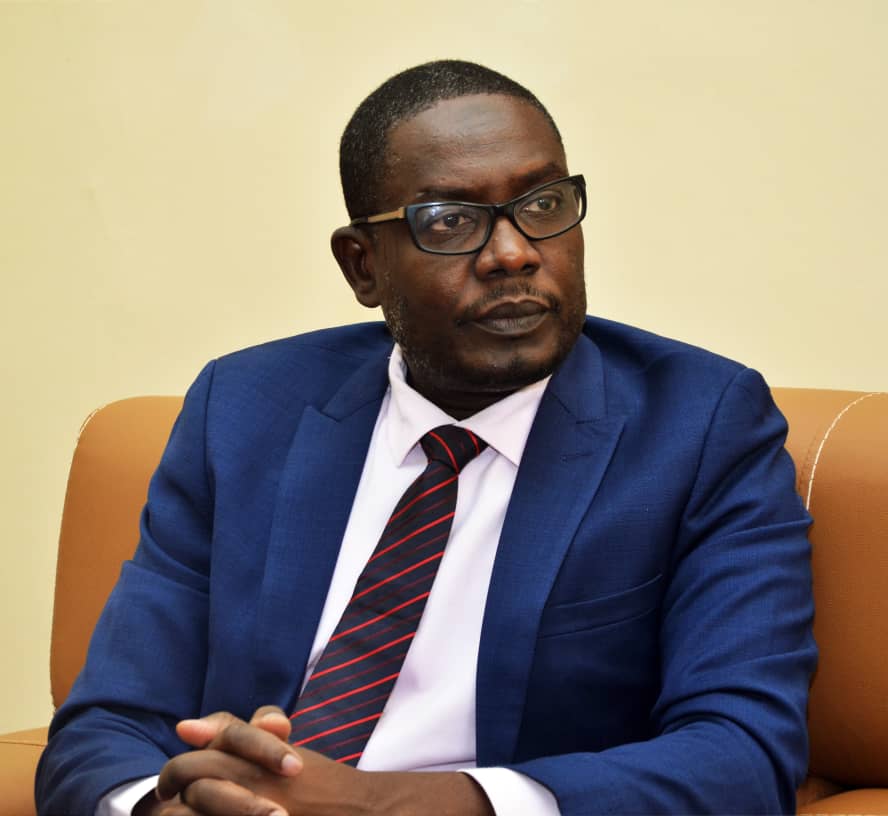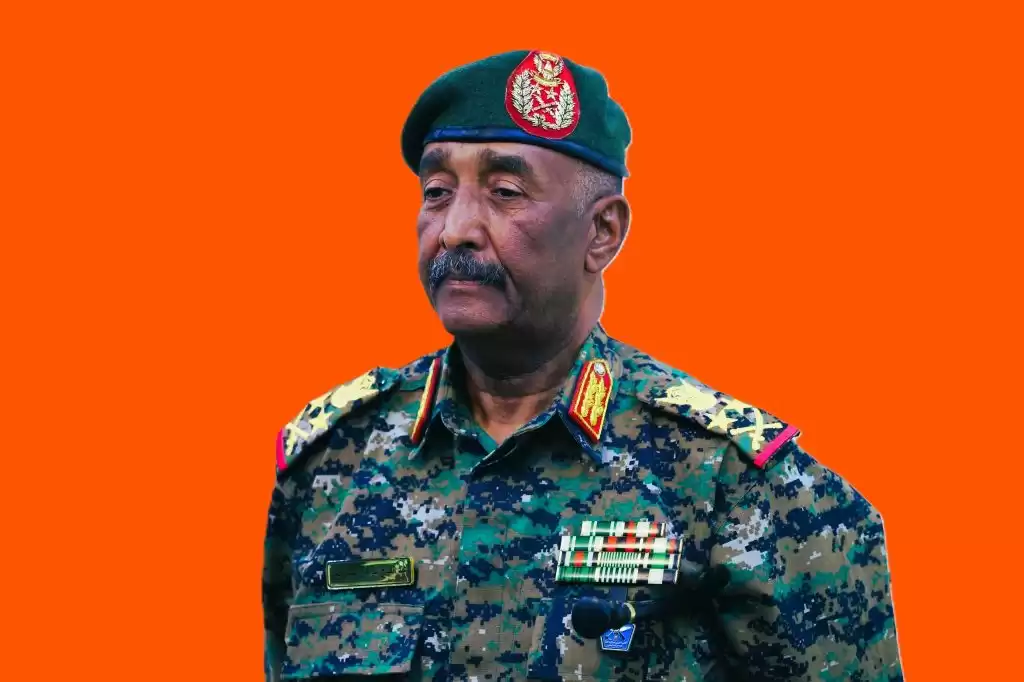
Sudan’s army chief Abdel Fattah al-Burhan rejected calls to nominate him for the presidency for now, saying military operations and meeting citizens’ basic needs should take priority over political nominations, according to Sudanese media reports.
Speaking in the Al-Muhandisin area of Omdurman on Saturday, September 5, Burhan said his immediate responsibility was to secure the country, with discussions about political leadership deferred until later.
“I do not want a nomination from anyone,” Sudan Express quoted him as saying.
The outlet reported that Burhan was responding to young people calling for his nomination. He said questions about the presidency and political arrangements would follow the completion of military operations. His remarks stopped short of ruling out a future presidential bid.
Burhan pointed to Sudanese citizens’ struggle to obtain bread, electricity and other essentials, saying those needs should take precedence over competition for office, according to Al-Ahd.
His comments followed the launch of a campaign in Kosti, White Nile state, calling for him to become president and receive promotion to field marshal. Organisers presented the initiative as support for the armed forces and their leadership during the war.
Burhan also attacked the Forces of Freedom and Change, the civilian coalition that previously shared power with the military. Al-Tabia reported that he accused the alliance of deceiving Sudanese citizens and contributing to the outbreak of war, while saying the military would not allow that experience to be repeated. Those allegations represent Burhan’s account of the political crisis.
The coalition helped lead the protest movement that preceded the removal of longtime ruler Omar al-Bashir in 2019. It subsequently entered a transitional power-sharing arrangement with the military, which ended when Burhan and his military allies seized power in October 2021.
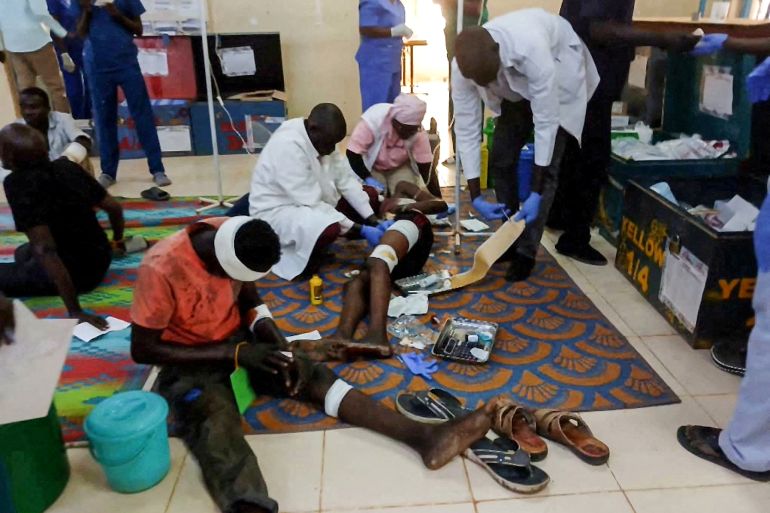
War erupted in April 2023 between the Sudanese Armed Forces, led by Burhan, and the Rapid Support Forces, commanded by his former ally Mohamed Hamdan Dagalo. The conflict has devastated communities and displaced millions, while leaving Sudan’s political transition unresolved.