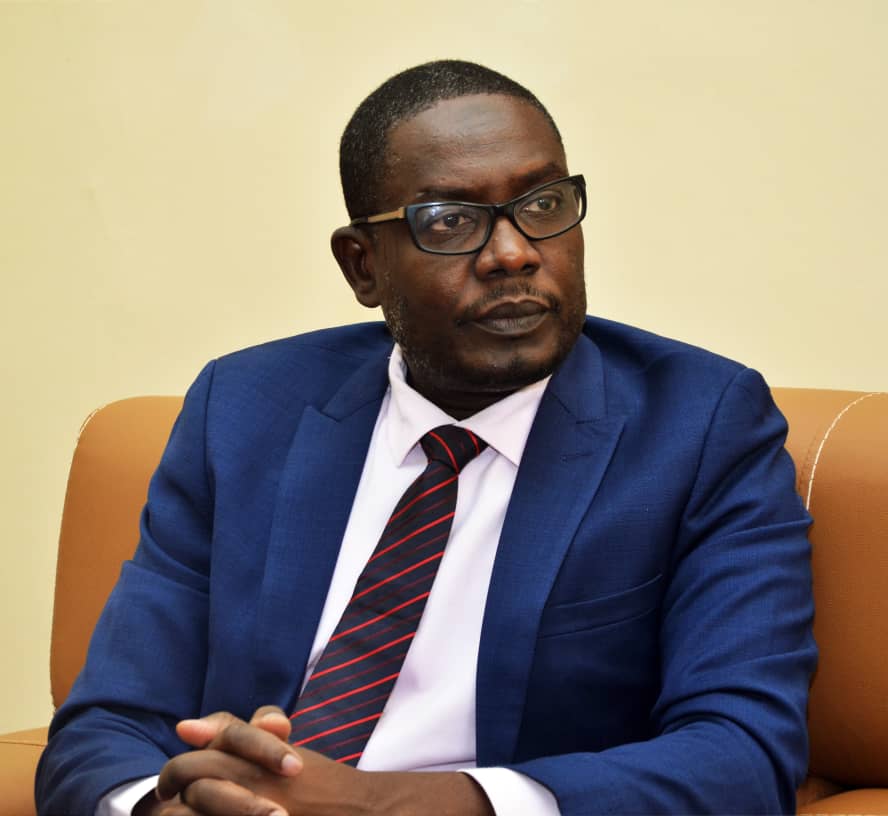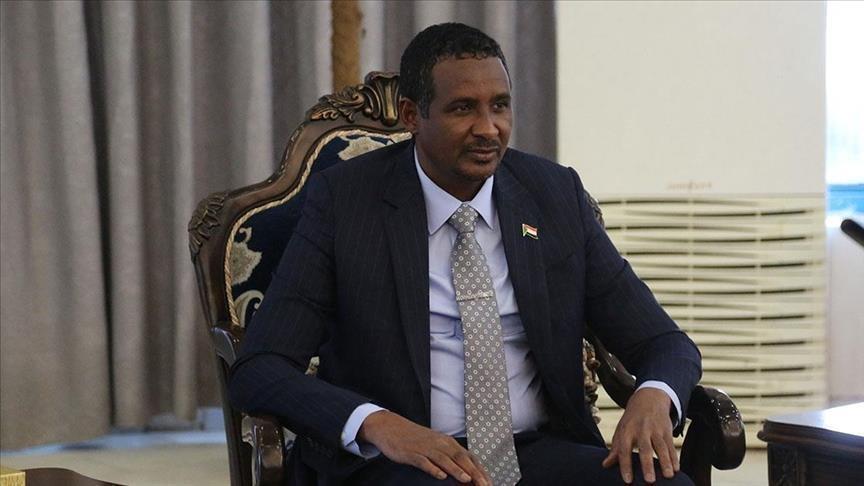
Mohamed Hamdan Dagalo, head of the Sudan Founding Alliance (TASIS), told UN envoy Pekka Haavisto that the alliance rejects the political dialogue proposed by army chief Abdel Fattah al-Burhan and urged international mediators to withhold support, according to TASIS spokesman Ahmed Tugod Lisan.
In accounts provided to Erem News and Radio Dabanga, Tugod said the telephone conversation covered the political process, a proposed prisoner exchange, communal violence in South Kordofan and secondary school examinations.
Dagalo argued that a party to Sudan’s war cannot unilaterally choose a dialogue’s participants, agenda and committees, then seek international backing to legitimise the process, the spokesman said.
The call came amid Haavisto’s visit to Khartoum and preparations for a visit by the five-party diplomatic mechanism.
According to Tugod, Dagalo also challenged the African Union Commission’s position, which TASIS regarded as biased towards the authorities in Khartoum and overly supportive of Burhan’s proposed talks.
He urged the five-party mechanism to remain within its mandate and refrain from endorsing the army’s initiative.
Haavisto responded that the mechanism’s purpose was to assess developments and convey messages to the parties, rather than adopt an initiative put forward by one side, Tugod told Radio Dabanga. That account of the envoy’s position was provided by TASIS.
Supporters of the proposed dialogue describe it as a Sudanese initiative sponsored by independent academics. Political analyst Suhaib Hamid argued that it should receive support to help overcome the country’s political impasse. TASIS, however, maintains that the process has been shaped unilaterally by the Port Sudan authorities.
On prisoners, Tugod said Dagalo demanded official lists identifying those held by the Sudanese Armed Forces before negotiations on a UN-backed exchange could proceed.
The alliance considers those lists essential to establishing whether a credible exchange is possible, according to the spokesman.
Dagalo also referred to previous releases of prisoners by the Rapid Support Forces through the International Committee of the Red Cross, Tugod told Radio Dabanga.
In his separate remarks to Erem News, Tugod alleged that army forces execute people captured during fighting rather than hold them in custody. He said Dagalo questioned whether the exchange proposal had a practical basis without evidence that prisoners were being held.
The supplied reports offered no independent corroboration of those allegations or a response from the army.
The call also addressed communal fighting in the Heiban area of South Kordofan. Tugod said Haavisto praised efforts by TASIS and Dagalo to ease the violence.
According to the spokesman, tensions had subsided following the alliance’s intervention, and TASIS had established a mediation mechanism to help resolve the conflict.
The two also discussed Sudanese secondary school certificate examinations organised by TASIS.
Tugod said Haavisto raised the possibility of postponing the examinations until an understanding could be reached with the other side over arrangements.
Dagalo replied that the examinations had already taken place and results had been released, the spokesman said. Students were preparing to apply to universities and higher education institutes in Sudan and abroad.