Allegations that elements of the Sudanese Armed Forces developed and used improvised chlorine weapons could push Sudan’s war into a wider regional crisis by increasing pressure on Port Sudan and the Red Sea energy corridor, according to an analysis published by Oilprice Intelligence.
The analysis argues that the significance of the chemical weapons allegations goes beyond Sudan’s battlefield.
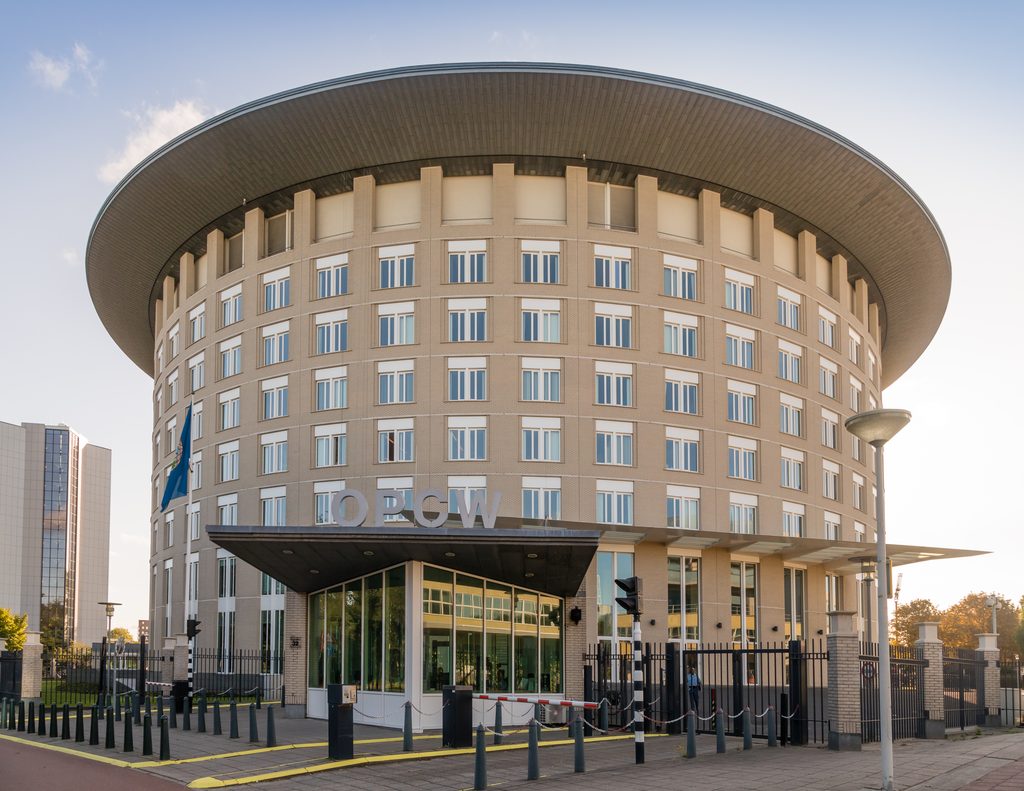
If independently verified, the claims could lead to tougher sanctions, international inspections and greater scrutiny of military and industrial sites linked to the alleged programme.
That, in turn, could increase the risk of further attacks on strategic infrastructure in eastern Sudan, including fuel depots, air bases, pipeline facilities and Port Sudan itself.
Sudan’s military has denied developing or using chemical weapons and has rejected US sanctions linked to the allegations as politically motivated.
Recent investigations cited by the analysis reportedly include bomb designs, test footage, photographs and intercepted communications that suggest the possible existence of a chlorine weapons programme.
However, the available material does not independently establish every detail of the alleged programme, including all locations, dates and individuals involved.
Why Port Sudan matters
The central concern is Port Sudan.
The city is Sudan’s main commercial gateway, a key entry point for imported fuel and humanitarian supplies, and the main outlet for oil exports from both Sudan and landlocked South Sudan.
It also supports transport, electricity generation and much of Sudan’s remaining formal economy.
Long-range drone attacks have already demonstrated that infrastructure far from conventional front lines can be targeted.
In May 2025, attacks struck fuel storage facilities, the southern port terminal, electricity infrastructure, the airport and the Flamingo naval base in the Port Sudan area.
The analysis warns that future attacks would not need to destroy the port entirely to cause serious disruption.
Strikes on storage tanks, pumping stations, electricity supplies, loading facilities or roads leading to the port could delay fuel imports, disrupt oil exports and raise shipping and insurance costs.
South Sudan particularly vulnerable
South Sudan faces especially high risks because it depends on pipelines crossing Sudan and export infrastructure on the Red Sea.
Any prolonged disruption to those routes could sharply reduce government revenue in Juba.
Oil income finances much of South Sudan’s state budget, including public-sector salaries, security spending and essential imports.
A sustained interruption could therefore turn Sudan’s instability into a broader economic and political crisis across the border.
Wider Red Sea implications
The article argues that Sudan becomes more significant when viewed alongside existing tensions across the Red Sea and Gulf.
Bab al-Mandab shipping remains vulnerable, while Saudi Arabia has increasingly relied on Red Sea infrastructure and the East-West pipeline to reduce exposure to disruptions around the Strait of Hormuz.
If Port Sudan also becomes an unreliable hub, energy markets could begin treating the Gulf, Red Sea and Suez routes as interconnected points of risk rather than separate crises.
Sudan itself does not produce enough oil to significantly move global crude prices.
The bigger danger would come from simultaneous disruption around Port Sudan, Yanbu, Bab al-Mandab, Suez and Hormuz.
In that scenario, shipping costs and war-risk insurance premiums could rise while alternative routes intended to reduce reliance on Hormuz become less dependable.
Sanctions could add pressure
The chemical weapons allegations could also create economic disruption even without additional military attacks.
Further sanctions, cargo inspections and restrictions on dual-use chemicals could complicate legitimate imports into Sudan, including chlorine used for water treatment, refinery equipment and industrial materials.
Banks, insurers and shipping companies may also become more reluctant to handle Sudan-related transactions because of sanctions risks.
That could worsen shortages of fuel and essential goods while further weakening Sudan’s economy.
The analysis concludes that the most likely near-term outcome is increased diplomatic pressure, additional sanctions and renewed calls for independent international verification rather than direct foreign intervention.
But a major escalation involving Port Sudan’s fuel facilities, pipelines or port infrastructure could have consequences far beyond Sudan.
The key risk is not that Port Sudan becomes another Strait of Hormuz.
It is that it becomes another vulnerable link in an already strained energy corridor stretching from the Gulf through the Red Sea and Suez Canal.