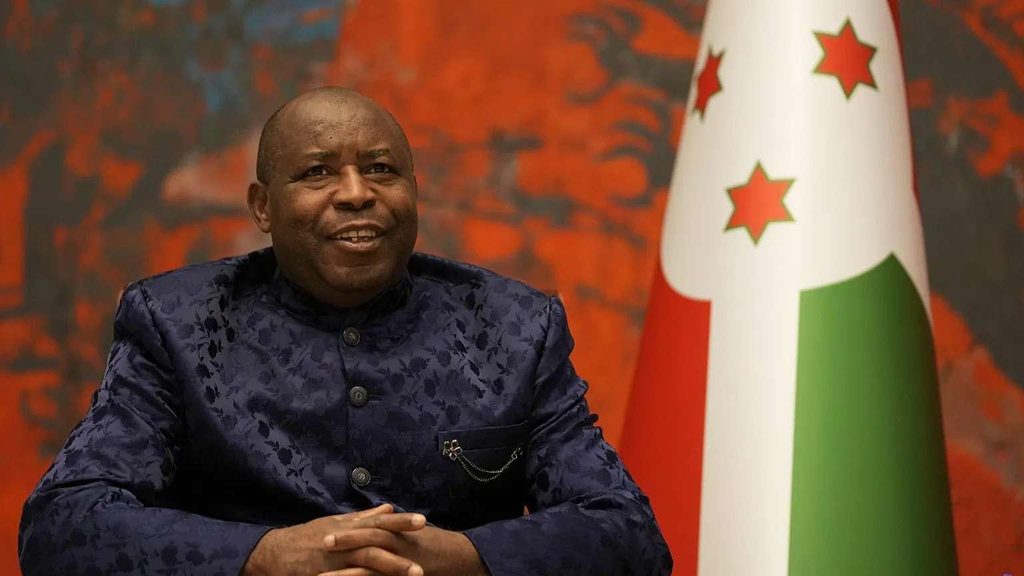
Burundian President and African Union Chair Évariste Ndayishimiye held talks with a delegation from Sudan’s Transitional Government of Peace in Gitega before speaking by telephone with its leader Mohamed Hamdan Dagalo, according to accounts of the meeting published on Monday.
The delegation, headed by Cabinet Affairs Minister Ibrahim al-Mirghani, presented Ndayishimiye with a message from Dagalo and outlined the Sudan Founding Alliance’s, or TASIS, proposed framework for ending Sudan’s war.
The talks focused on an immediate humanitarian truce, unrestricted aid access and the role of the African Union in mediating between Sudan’s rival camps.
Ndayishimiye is serving as African Union chair for 2026, after formally taking over the rotating position in February. The AU has repeatedly reaffirmed its opposition to unconstitutional changes of government and military coups.
According to accounts of the Gitega talks, Ndayishimiye subsequently spoke directly with Dagalo, president of the Presidential Council of the Transitional Government of Peace, about possible mediation and efforts to end the conflict.
TASIS presses AU over neutrality
The Sudanese delegation used the meeting to raise concerns over what it described as the African Union Commission’s approach to the conflict.
It objected specifically to AU Commission Chairperson Mahmoud Ali Youssouf’s support for a Sudanese dialogue initiative associated with the army-controlled authorities, arguing that such engagement risks compromising the continental body’s neutrality.
The AU Commission announced on August 31 that it welcomed a Sudanese-Sudanese dialogue initiative, part of efforts it says are aimed at bringing Sudanese stakeholders together and ending the conflict.
TASIS, however, maintains that any political process dominated by forces linked to the former National Congress Party and the Islamic Movement would reproduce the political structures that preceded the war rather than address its causes.
The delegation called on the AU to maintain equal distance from Sudan’s rival authorities and argued that the continent’s established rejection of military seizures of power should continue to guide its approach to Sudan.
Sudan’s membership in the African Union has remained suspended following the October 2021 military takeover.
According to the delegation’s account, Ndayishimiye reiterated the AU’s opposition to military coups and said the continental organisation should act as an impartial mediator in Sudan.
The published accounts went further, reporting that Ndayishimiye said positions expressed by the chairperson of the AU Commission did not necessarily represent the position of the Union as a whole. There was no separate AU statement immediately available confirming that characterization of his remarks.
Humanitarian truce and aid corridors
The delegation told Ndayishimiye that a viable peace process should begin with an urgent humanitarian ceasefire and the opening of safe corridors to allow assistance to reach civilians in war-affected areas.
It said subsequent political negotiations should be broadly inclusive while excluding the Islamic Movement, the former ruling National Congress Party and organisations affiliated with them.
The delegation also presented the establishment of the Transitional Government of Peace as a response to the collapse of state institutions during the war, saying authorities in areas under its administration were attempting to restore education, healthcare, judicial services, security and humanitarian assistance.
Chemical weapons allegations raised
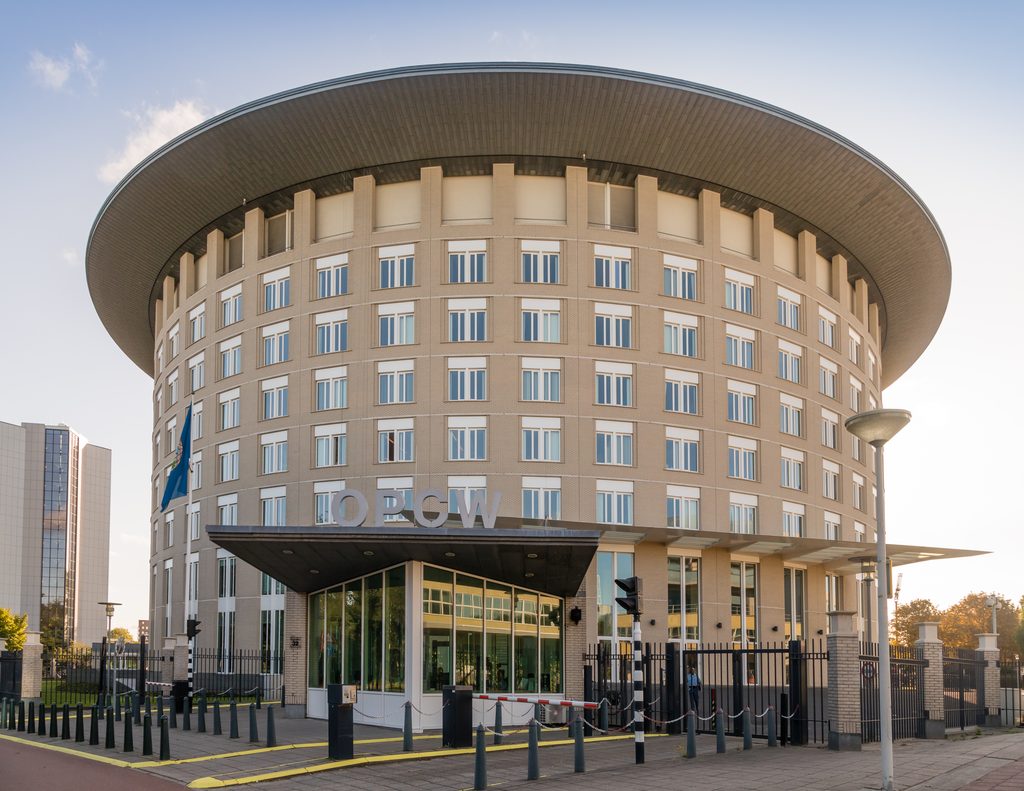
The delegation also raised allegations concerning the use of chemical weapons during Sudan’s conflict and called for tighter international controls on weapons entering the country, inspections of suspected facilities and measures to prevent prohibited weapons from falling into the hands of armed or extremist groups.
The allegations have become an increasingly prominent issue in Sudan’s diplomatic battle, but individual claims concerning specific attacks remain contested and require independent verification.
The Gitega meeting nevertheless represents a notable diplomatic engagement for the Transitional Government of Peace as it seeks greater regional recognition and a formal role in international efforts to negotiate an end to Sudan’s war.
For TASIS, the talks also provided an opportunity to take its dispute over the AU Commission’s handling of Sudan directly to the political head of the African Union.