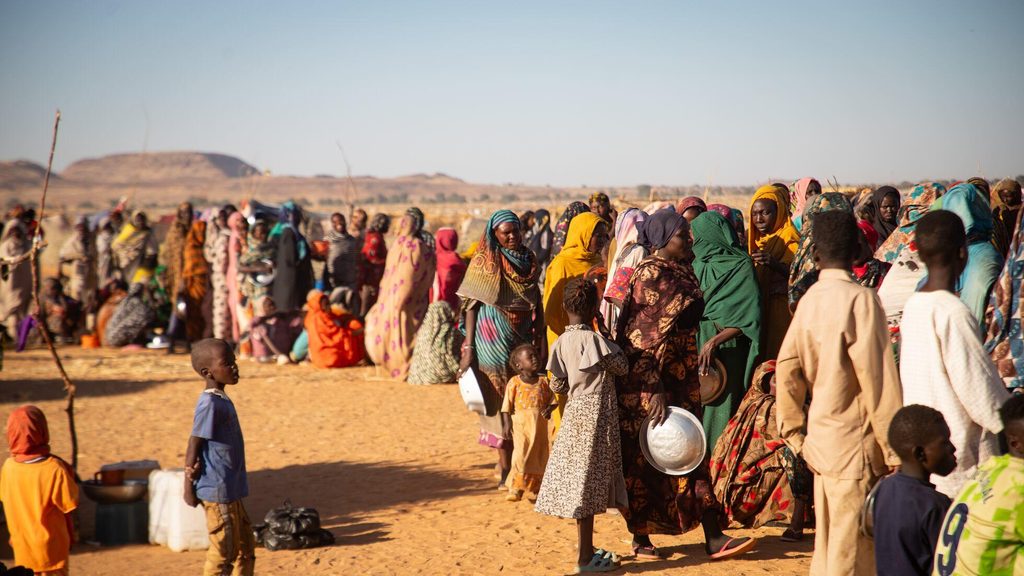
Civilian authorities in areas controlled by the Sudan Liberation Movement/Army led by Abdel Wahid Mohamed al-Nur have warned that parts of Darfur are approaching what they described as a “famine catastrophe,” as food shortages, disease and the collapse of basic healthcare deepen the humanitarian crisis.
The authorities said Jebel Marra, Tawila, Ain Siro and displacement camps surrounding those areas are facing increasingly severe conditions, with rising deaths and malnutrition particularly affecting children, women and the elderly.
The warning comes as large areas of farmland across Darfur and Kordofan have been hit by insufficient rainfall, leaving crops damaged or destroyed. Livestock are also suffering as grazing areas shrink and access to pasture deteriorates.
In a statement issued Tuesday, the civilian administration said the worsening humanitarian and health situation was being driven by obstacles to the delivery of humanitarian aid, acute shortages of food and essential medicines, poor rainfall and the failure of parts of the agricultural season.
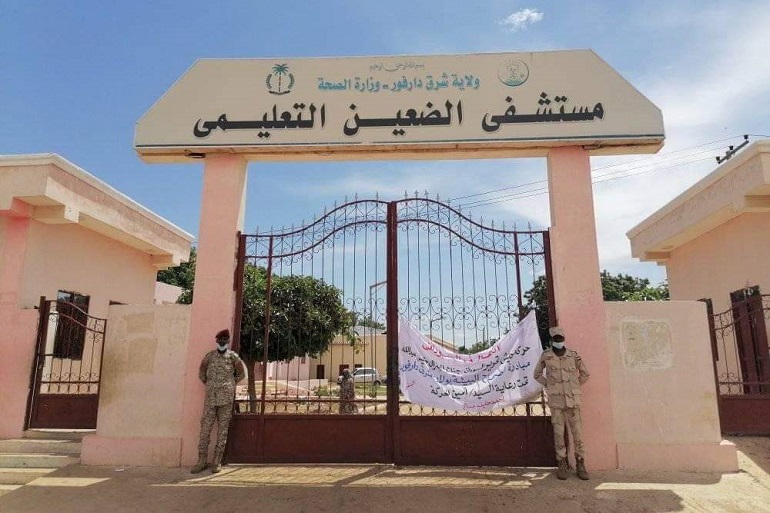
It also cited outbreaks of disease, contaminated drinking water and the absence of adequate medical facilities.
Deaths reported in displacement camps
The administration estimated that between 10 and 20 people are dying each day inside displacement camps, attributing the deaths to shortages of medicines and medical supplies and the lack of functioning field hospitals.
It accused the Port Sudan authorities of using food as a “deadly weapon” against civilians affected by the war and of obstructing humanitarian assistance.
The statement called on the United Nations and the UN Security Council to take urgent measures to ensure the delivery of food and medical aid, open and secure humanitarian corridors and border crossings, protect civilians and press the warring parties to comply with international humanitarian law.
The allegations against the Port Sudan authorities were not independently verified in the statement.
Al-Taishi urges international action
Separately, Mohamed Hassan Osman al-Taishi, prime minister of the Sudan Founding Alliance’s Government of Peace, urged the United Nations to take preventive measures to address what he described as a growing risk of hunger and famine across Sudan and the wider region.
In a letter to UN Secretary-General António Guterres, al-Taishi said climatic, agricultural and humanitarian indicators suggested that Sudan’s food crisis could deteriorate further and potentially have consequences beyond the country’s borders unless there was an early and coordinated international response.
He pointed to below-average and increasingly erratic rainfall in parts of Sudan and the surrounding region, warning that agricultural drought could reduce crop production and grazing capacity.
The war, now in its fourth year, has further disrupted agricultural production, markets and supply chains, while driving up food prices and farming costs and forcing millions of people from their homes.
According to figures cited in the letter from assessments by the UN Food and Agriculture Organization and the World Food Programme, around 19.5 million people in Sudan faced high levels of acute food insecurity during 2026.
The letter said famine risks remain in several parts of Darfur and Kordofan and warned that severe food insecurity could continue in some areas beyond the harvest season and into early 2027.
Call for emergency food and farming support
Al-Taishi called on the United Nations, its specialised agencies, the African Union, IGAD and international partners to conduct an urgent assessment of rainfall levels, cultivated areas, projected agricultural production and food security conditions, including in regions that remain difficult for humanitarian organisations to reach.
He also urged international donors to mobilise emergency financing for agriculture and livestock, pre-position food, medicines and therapeutic nutrition supplies in high-risk areas, and expand UN humanitarian operations.
The proposal also called for the use of all available humanitarian access routes, including cross-border operations and deliveries across front lines.
Al-Taishi proposed an urgent high-level meeting involving UN agencies and other humanitarian organisations to produce an updated map of needs and risks and establish a timetable for preventive interventions.
He warned that the combination of continued fighting, mass displacement, collapsing livelihoods, falling agricultural production and climate pressures could result in a preventable humanitarian and food catastrophe.
He urged international agencies to place the threat of famine in Sudan among their highest humanitarian priorities.