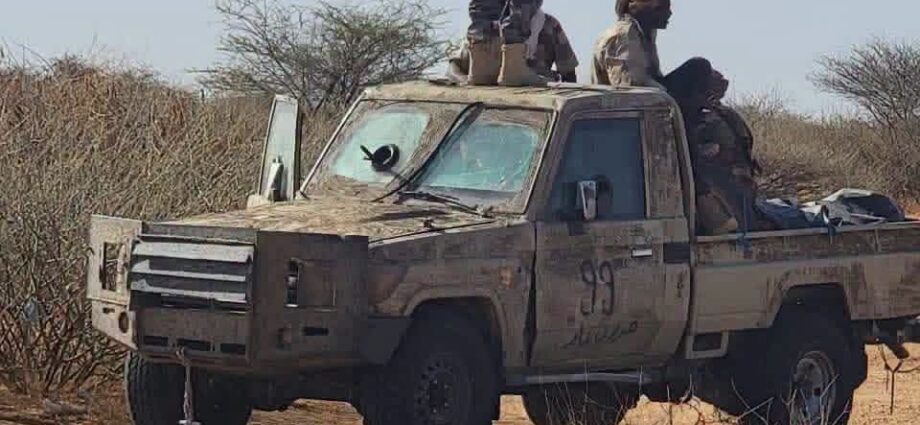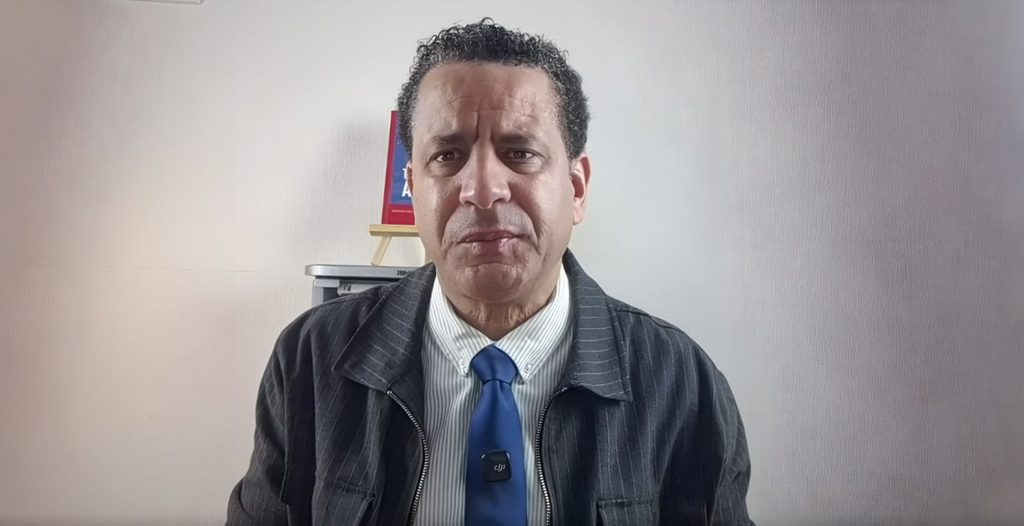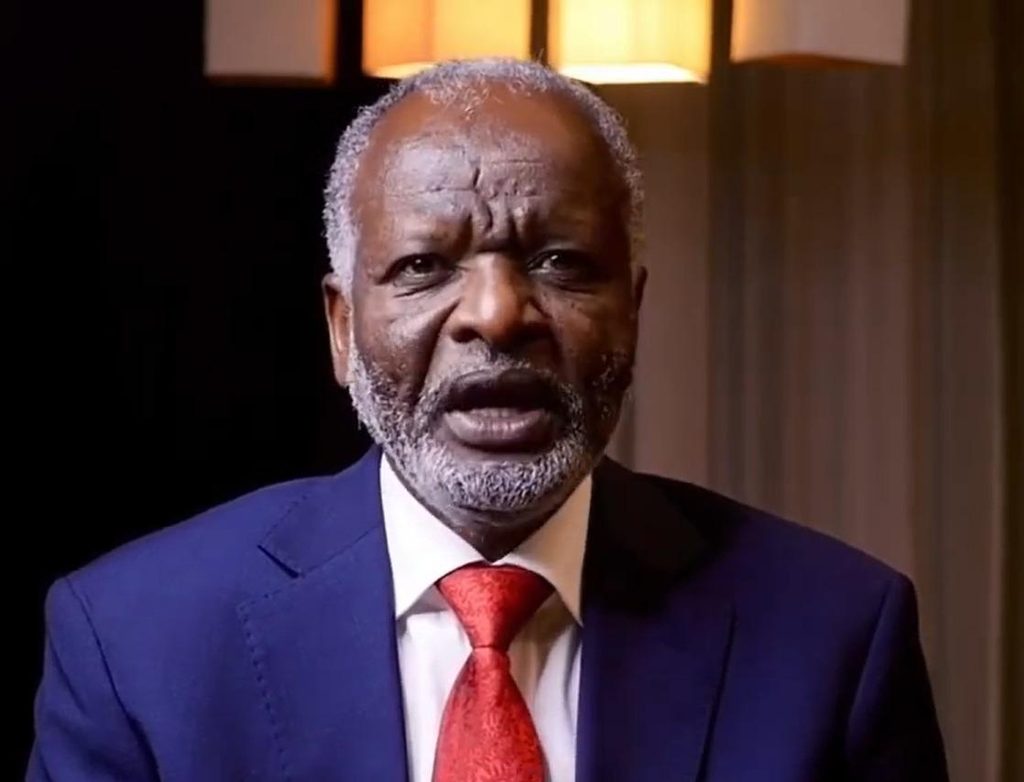
Sudan’s interior minister in the Peace Government, Suleiman Sandal Haggar, has said mounting evidence of alleged chemical weapons use by the Sudanese Armed Forces points to a broader pattern of attacks on civilians rather than isolated battlefield incidents.
Sandal said reports and newly disclosed material linking the army led by Abdel Fattah al-Burhan and allied Islamist factions to chemical weapons demonstrated what he described as the seriousness of violations committed during Sudan’s war.
His comments follow the publication of documents, videos, photographs and intercepted communications that reportedly detail a secret military programme involving chlorine-based munitions. The Washington Post reported on September 5 that the material indicated Sudanese military officials produced, tested and stockpiled chemical weapons, including as many as 290 munitions.
Separate reporting has described alleged tests in remote desert areas, the diversion of chlorine supplies and suspected attacks in the Khartoum area in 2024. Sudanese army authorities have repeatedly denied developing or using chemical weapons.
Sandal said any use of chemical agents, if established, should not be treated as an isolated violation.
He argued that it reflected what he described as a long-standing approach to political conflict in Sudan in which civilians were treated as legitimate targets, tracing that mentality through previous governments and the rule of former president Omar al-Bashir.
The interior minister said the latest evidence reinforced the need for accountability and an international response, particularly because the development, stockpiling and use of chemical weapons are prohibited under international law.
The allegations have gained renewed attention following investigations by major international media organisations and assessments by weapons experts.
A separate investigation published Wednesday said former senior officials from the Organisation for the Prohibition of Chemical Weapons had reviewed witness testimony and other indicators from Sudan and concluded there was credible evidence warranting a formal international investigation.
The experts cited respiratory distress, unusual smells, coloured explosions, prolonged health effects and environmental damage among evidence consistent with possible exposure to toxic chemicals between 2024 and 2025.
Washington has previously accused Sudan’s army of using chemical weapons during fighting in 2024 and imposed sanctions over the allegations. The United States has continued pressing the issue at the OPCW, saying Sudan remained in non-compliance with its chemical weapons obligations.
Accounts published in recent days have also described witnesses near the Al Jaili refinery north of Khartoum seeing people struggling to breathe following alleged attacks in September 2024. Documents reviewed by international media reportedly indicate that chlorine weapons were developed and tested before production was expanded.
Sandal said the emerging evidence should now lead to a broader investigation into those responsible for developing, authorising and deploying any prohibited weapons.
The Peace Government and allied political groups have increasingly called for international investigators to examine the chemical weapons allegations independently and establish responsibility.