The Sudanese Communist Party has rejected the Burhan-backed “Sudanese-Sudanese dialogue,” arguing that the initiative cannot provide a credible path to peace while the country’s war continues.
In a statement issued by its political bureau, the party criticised a proliferation of political initiatives aimed at ending the conflict, saying they risk prolonging the war by allowing parties to shift from one process to another without first securing a firm commitment to halt the fighting.
The party also accused political, social and economic interests of benefiting from the continuation of the conflict and what it described as a wartime economy built around the exploitation and looting of Sudan’s resources.
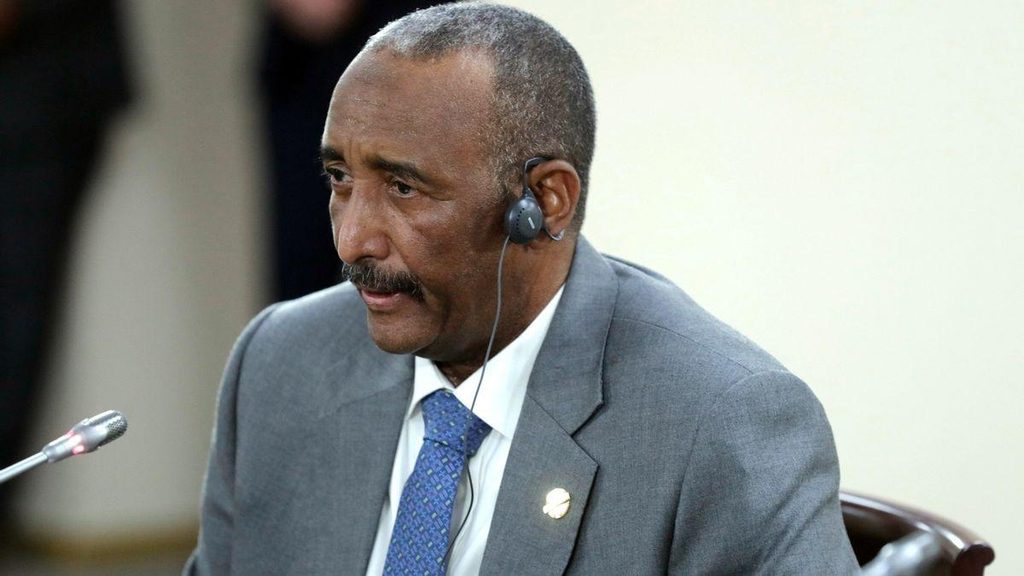
Its strongest criticism was directed at the Sudanese-Sudanese dialogue backed by army chief Abdel Fattah al-Burhan and the Port Sudan authorities.
The Communist Party said holding political talks while military operations continue cannot constitute a genuine peace process. It accused the Port Sudan authorities of seeking to use the dialogue to obtain political cover and reorganise supportive political forces around the existing administration.
According to the statement, the Port Sudan authorities initiated the dialogue and determined its venue and conditions for participation, raising questions, in the party’s view, about the independence of the process.
Burhan has publicly backed the internal dialogue initiative and has offered legal and security guarantees to participants. Earlier this month, he also pledged that the state would implement dialogue outcomes that serve what he described as the public interest.
The Communist Party, however, described Burhan’s initiative as “stillborn,” pointing to what it said were withdrawals from the committee overseeing the process and arguing that they reflected the growing political isolation of the Port Sudan authorities.
It said the continuation of the initiative despite those developments amounted to an attempt to reorganise political forces supportive of the authorities and provide them with renewed political legitimacy.
The party also accused political actors of exploiting tribal divisions, racist rhetoric and traditional community structures in an effort to obscure the causes of the war and its continuation. It warned that such practices threaten coexistence between Sudanese communities as well as the country’s unity and territorial integrity.
The Communist Party concluded by calling on Sudanese people to strengthen unity, organise against the war and return to the objectives of the December revolution.
It said ending the fighting should take priority over competing political initiatives and called for a democratic system capable of addressing the underlying causes of Sudan’s conflict and worsening economic and security crises.