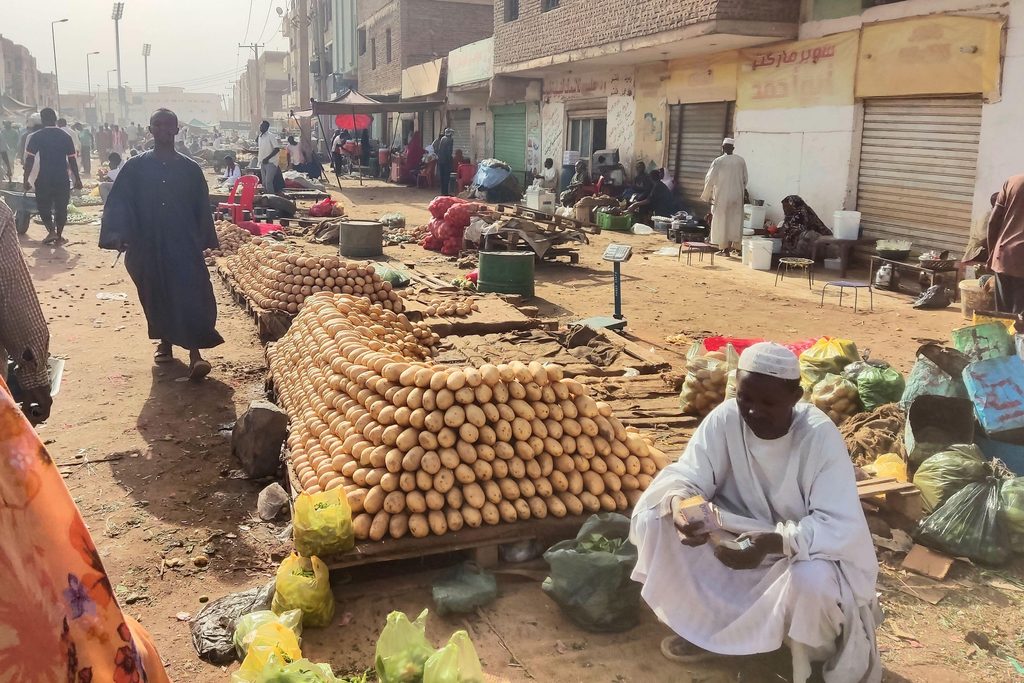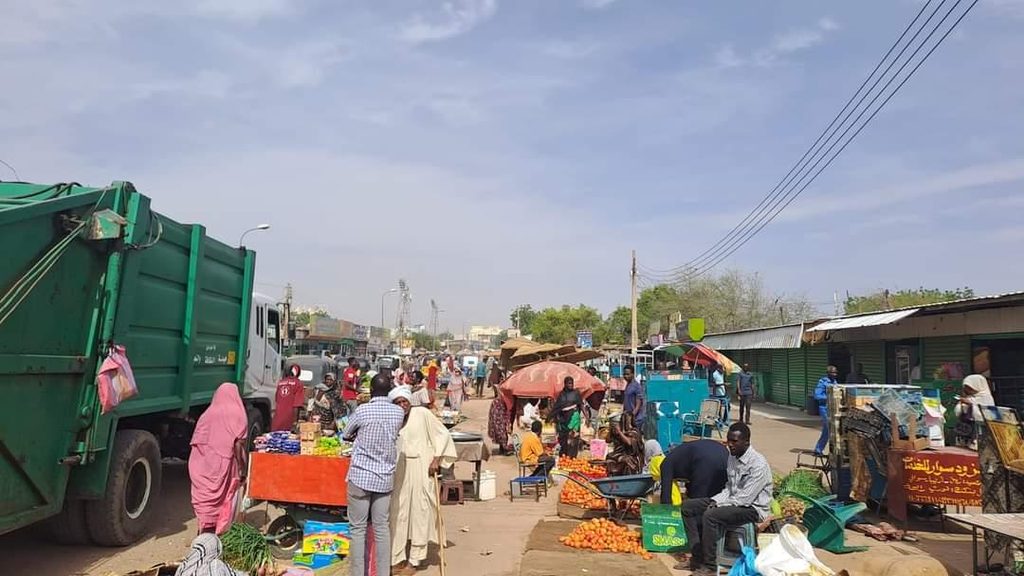
Markets in areas of Darfur and Kordofan controlled by the Sudan Founding Alliance (TASIS) have remained comparatively stable despite the sharp collapse of the Sudanese pound and soaring prices in SAF-controlled parts of the country, according to traders and local observers.
Radio Dabanga reported that markets in Nyala and elsewhere across Darfur and Kordofan have largely avoided the dramatic price increases recorded in Khartoum and eastern Sudan, where the weakening currency has forced shops to close and disrupted trade.
Traders said commercial activity in Nyala remained relatively stable, with most significant price increases concentrated in staple grains rather than imported consumer goods.
Nyala trader Ibrahim Hamdan told Dabanga that the dollar was trading at around 650,000 Sudanese pounds through the Bankak banking application and about 460,000 pounds in cash transactions.
Despite the difference between the two exchange rates, Hamdan said prices for most goods had not risen substantially.
Grain prices have increased more noticeably, which traders attributed primarily to poor rainfall and declining agricultural production. Disruptions affecting trucks carrying goods from eastern Sudan have also placed some pressure on supplies.
Meat prices have remained comparatively affordable, according to Hamdan, with mutton selling for about 24,000 pounds per kilogram and beef at approximately 15,000 pounds.
He described trade in Nyala as stable and said increased population levels were helping revive activity across the city’s markets.
Journalist Mohamed Saleh El Bashir told Dabanga that prices had risen more broadly across TASIS-controlled parts of Darfur and Kordofan but remained below levels recorded in areas controlled by SAF.
He cited sugar as an example, saying a kilogram was selling for about 7,000 pounds in TASIS-controlled areas compared with around 10,000 pounds in SAF-controlled territory.
El Bashir attributed much of the difference to divergent exchange rates.
He said the dollar had traded at around 460,000 to 470,000 Sudanese pounds in TASIS-controlled areas for more than a year before rising recently to roughly 490,000–500,000 pounds.
In SAF-controlled areas, he said the dollar had risen above 900,000 pounds.
The figures are based on local market observations and could not be independently verified.
Multiple trading routes have also helped insulate markets in Darfur and Kordofan from some of the disruption affecting other parts of Sudan.
Goods enter TASIS-controlled territories from South Sudan, while markets in northern Darfur receive supplies from Libya. West Darfur, including El Geneina and Zalingei, is also supplied through cross-border and regional trading networks.
Some commercial transactions are conducted directly in dollars, while traders frequently move goods in both directions rather than relying solely on banking applications and conversions into Sudanese pounds.
El Bashir said the expansion of TASIS-affiliated El Mustaqbal Bank across cities in Darfur and Kordofan had also increased access to foreign currency.
The bank allows customers to receive, deposit and withdraw foreign currency, including dollar transfers through branches in other countries, reducing the need to convert funds into Sudanese pounds.
According to El Bashir, increased availability of dollars has contributed to relative exchange-rate stability in the areas.
The contrast has become increasingly visible as SAF-controlled parts of Sudan struggle with a severe currency crisis.
The dollar recently rose above 8,000 Sudanese pounds at the commonly quoted parallel-market denomination used in SAF-held areas, according to traders cited separately by Dabanga, while sharp currency fluctuations have led some merchants to suspend sales because they cannot reliably price or replace stock.