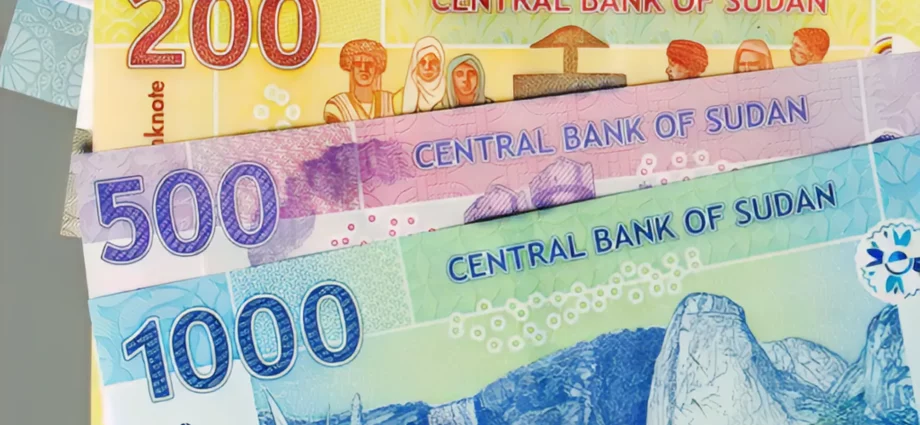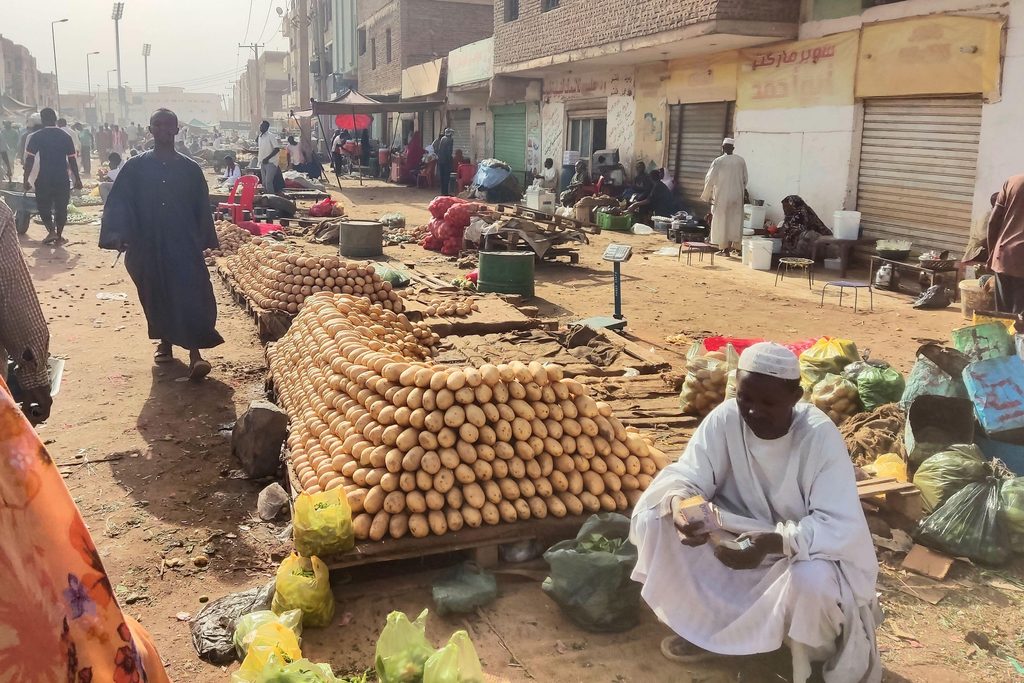
Sudan’s Umma Party, led by Mubarak al-Fadil, has warned that the country is approaching a broad economic crisis as the Sudanese pound continues to weaken and the war places mounting pressure on production, public services and state institutions.
In a statement issued on Thursday, September 17, the party said Sudan’s economy was undergoing a severe contraction driven by damage to production, trade, services and infrastructure, as well as the failure of wages to keep pace with the rising cost of living.
The party said the gap between household income and basic needs had widened sharply, citing teachers as an example. It estimated that a teacher’s salary now covers only around 3 percent of the basic needs of a five-member family.
The Umma Party said the effects of the war were no longer confined to the battlefield, but had spread across the wider economy, disrupting supply chains, weakening the currency, damaging services and reducing the country’s productive capacity.
It said the ability of the state, society and the economy to absorb the accumulated costs of the war had become an increasingly important factor in determining how long the conflict could continue.
The party warned that prolonging the war was not only a question of troop numbers, weapons and ammunition, saying the continued depletion of economic resources could undermine the state’s ability to pay salaries, provide basic services and maintain security and public order.
It called for a ceasefire and an end to the war to be treated as a priority, alongside the launch of an inclusive Sudanese political dialogue based on the broadest possible national consensus.
According to the party, such a process should create the conditions needed to restore stability, revive the economy, restart productive activity and rebuild state institutions.
The Umma Party also called for cooperation with the international community in Sudan’s eventual reconstruction, but warned against limiting political talks to power-sharing arrangements or attempts to reproduce the former political order without addressing the underlying causes of the crisis.
It proposed a political and economic pathway beginning with an end to the war, followed by the creation of what it described as a single national professional army, the establishment of stable civilian rule and the restoration of functioning state institutions.
The party also called for shifting Sudan’s economy away from dependence on war and towards production, peace and development.
It said the proposed path was intended to preserve Sudan’s unity, restore security and dignity for citizens and create the conditions for a more stable future.