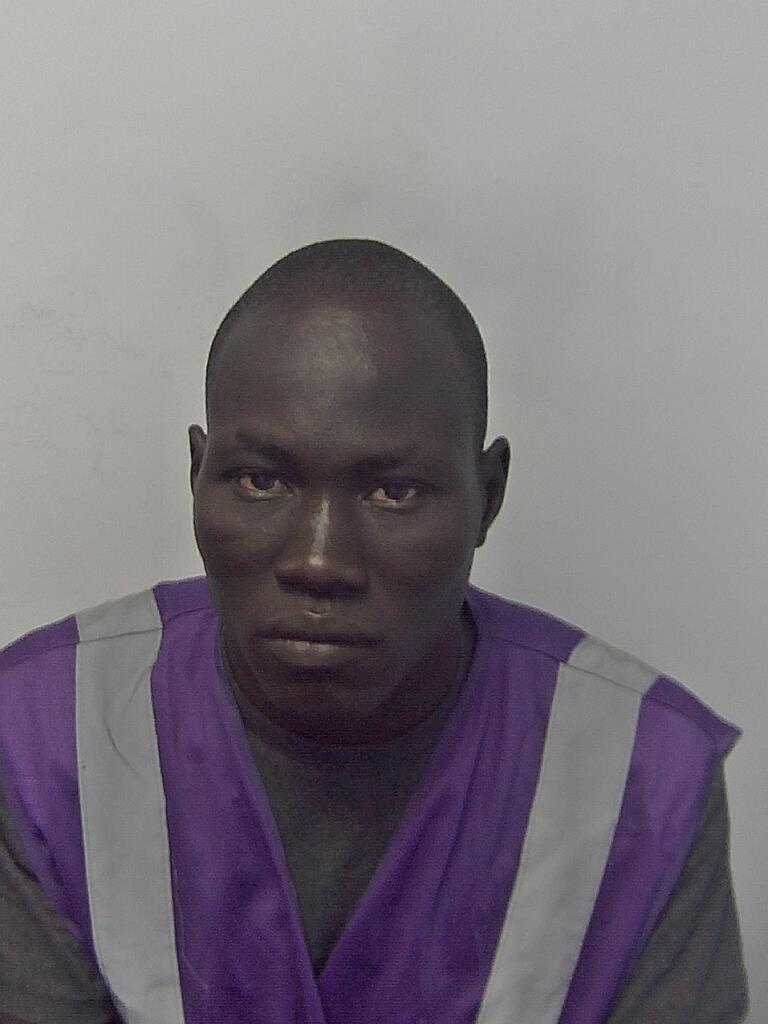
A court in Port Sudan has sentenced Sudanese activist Barir al-Toum to 50 lashes in public, a multimillion-pound fine and a suspended prison term in a case that has drawn criticism from lawyers and rights groups.
The Port Sudan Criminal Court convicted al-Toum on Monday under Articles 14, 24 and 26 of Sudan’s Cybercrime Law over accusations that he published false information, according to Sudanese media reports.
The court handed him a five-year prison sentence suspended for two years and placed him under supervision for two years from September 14, 2026.
On a separate public-order charge, the court ruled that the period al-Toum had already spent in pretrial detention — more than a year — was sufficient punishment.
He was also ordered to pay a fine of 5 million Sudanese pounds, with a six-month prison term stipulated if he fails to pay.
The court additionally sentenced al-Toum to 50 lashes in a public place over charges related to insulting and abusive language.
Al-Toum was released on Tuesday following the ruling and was met by volunteers and activists who had gathered to receive him after his prolonged detention.
Sudanese lawyer Hatem Sanhouri criticised the sentence and questioned the legal basis for imposing public flogging in a case largely linked to alleged offences under the Cybercrime Law.
Sanhouri described the proceedings as an example of what he called the “politicisation of justice” and accused authorities of using the law against political opponents and people expressing dissenting views.
He also argued that the decision to count al-Toum’s more than year-long pretrial detention toward his sentence raised questions over whether the length of his detention had been proportionate.
Sanhouri said al-Toum had been held in conditions he described as “inhumane” and criticised what he said was a failure to guarantee a speedy trial.
The Al Jazira Observatory for Human Rights also criticised the September 14 ruling, expressing concern over what it described as the use of cybercrime legislation to restrict freedom of opinion and expression.
The rights group described the penalties, particularly the public flogging sentence, as “cruel and degrading to human dignity” and called on authorities to review the ruling and ensure al-Toum receives a fair trial.
It also urged authorities to respect freedom of expression and avoid using criminal laws to prosecute individuals over political views.
The case has renewed debate in Sudan over the use of cybercrime and public-order provisions against activists and over the continued use of corporal punishment in cases involving speech and publication offences.