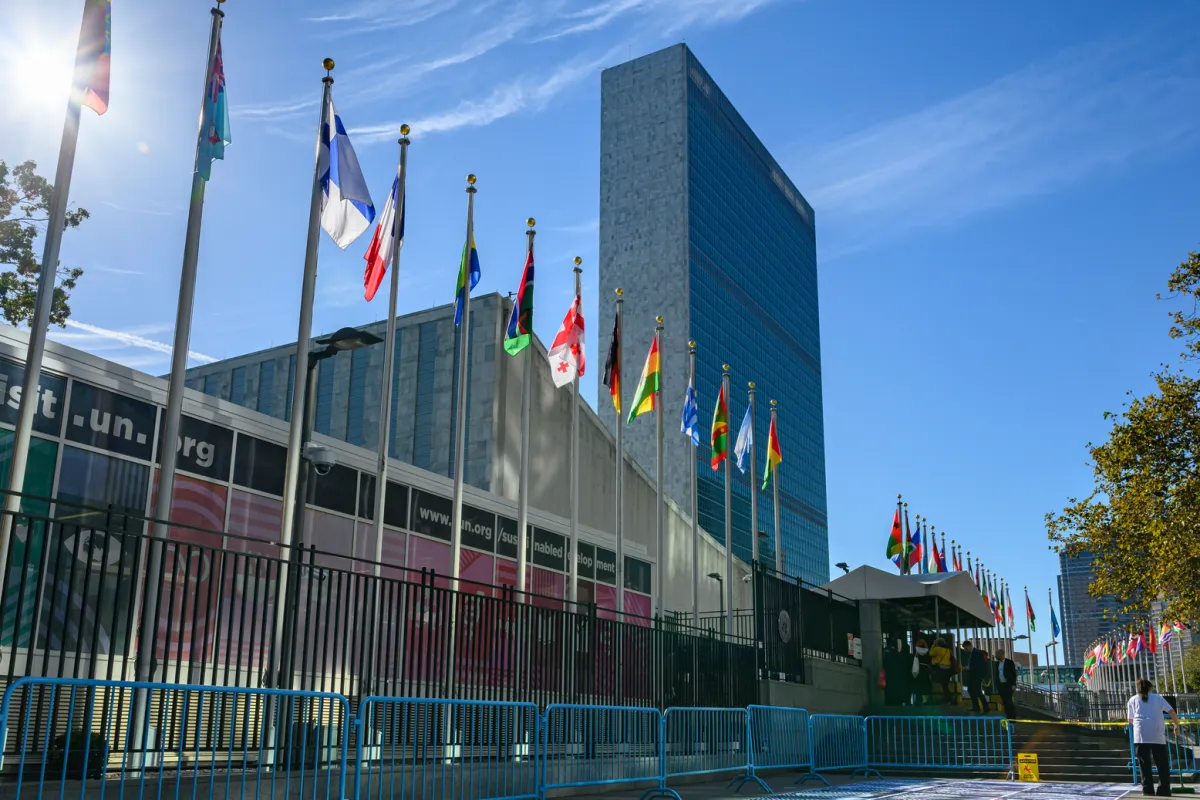
Sudan’s competing political tracks are converging on New York as world leaders gather for the United Nations General Assembly, with army chief Abdel Fattah al-Burhan preparing to lead Sudan’s formal state delegation while former prime minister Abdalla Hamdok has arrived with a separate civilian delegation seeking international backing for an end to the war.
The simultaneous diplomatic push puts sharply different visions for Sudan’s future before international officials during a week in which the country’s war and humanitarian crisis are expected to feature prominently.
Hamdok arrived in New York at the head of a delegation from the Civil Democratic Alliance of the Forces of the Revolution, known as Sumoud, for meetings with US officials and international diplomats on the sidelines of the General Assembly.
Radio Dabanga reported on Sunday that a Sumoud official confirmed the visit would last around two weeks, although visa difficulties had prevented some members of the broader civilian grouping from joining the delegation.
The clarification is significant because some initial Sudanese media reports described Hamdok as heading a delegation representing the wider “Declaration of Principles” forces. Sumoud figures have since said the delegation currently in New York represents their coalition.
Hamdok’s delegation is expected to press for international pressure on the warring parties to halt the fighting, expand humanitarian access and revive a civilian political process.
Sudan Tribune earlier reported that the former prime minister’s programme included meetings with officials at the US State Department, members of Congress and international diplomats in Washington and New York.
The visit coincides with preparations for a high-level ministerial meeting on Sudan expected in New York on September 21 under the auspices of the United Nations, African Union and the Intergovernmental Authority on Development, or IGAD.
The meeting is expected to examine prospects for a humanitarian truce, humanitarian access and a political process aimed at ending a war that has continued since April 2023.
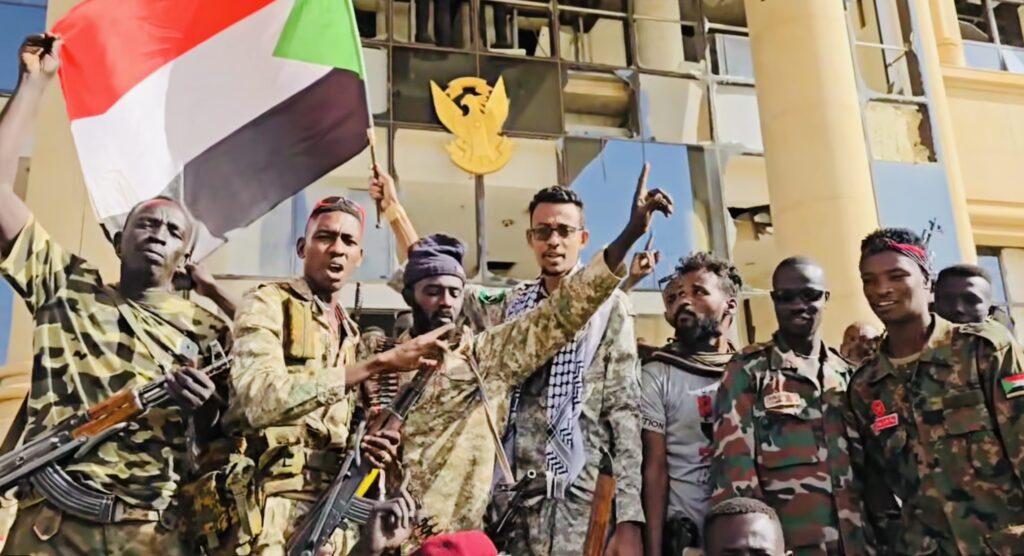
On the other track, Burhan is expected to travel to New York as head of Sudan’s formal delegation to the 81st UN General Assembly.
Sudanese diplomatic sources have said Burhan is scheduled to address the General Assembly on September 24. Foreign Minister Mohieddin Salem travelled to New York ahead of the delegation for meetings with foreign officials, UN bodies and humanitarian agencies.
Darfur governor Minni Arko Minnawi is also expected to join Burhan’s delegation, according to Sudanese media reports, and hold meetings focusing on the war, humanitarian conditions in Darfur and alleged violations committed during the conflict.
The two visits, however, should not be treated as equivalent UN delegations.
Burhan is travelling as the head of Sudan’s state delegation, while Hamdok and Sumoud are conducting a separate political and diplomatic campaign around the General Assembly rather than representing Sudan in the UN chamber.
No announced TASIS or RSF New York delegation
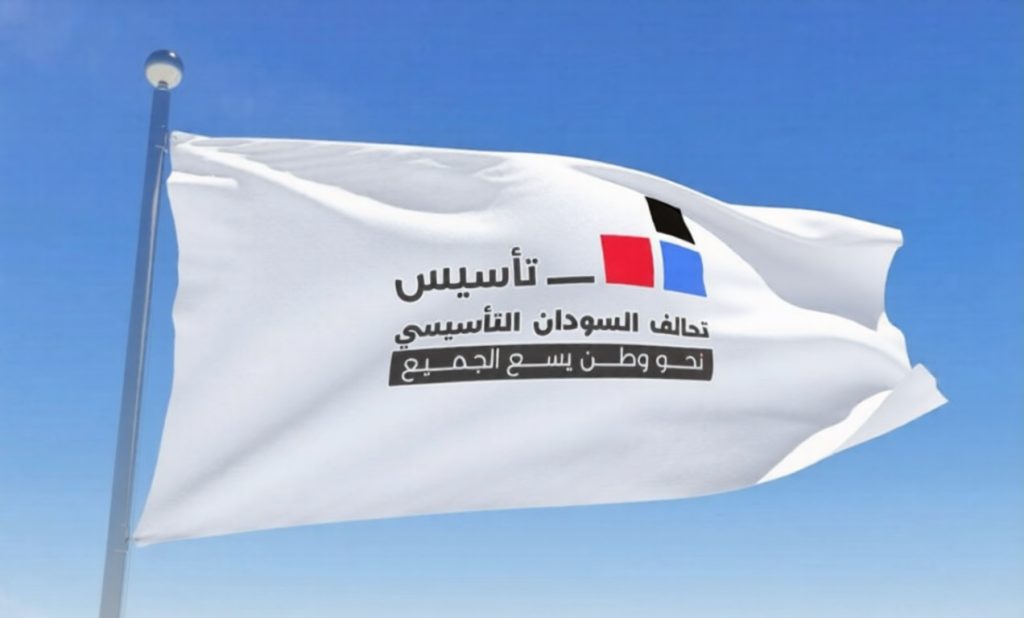
A review of official Sudan Founding Alliance, or TASIS, and Rapid Support Forces channels found no announcement as of Sunday of a separate TASIS or RSF delegation travelling to New York for the General Assembly.
The RSF’s official media platforms have most recently focused on battlefield developments, while TASIS has not published a New York or UNGA programme.
That does not mean the RSF-TASIS camp is absent from the wider diplomatic process.
The United Nations has maintained contacts with both sides of the conflict. UN political affairs chief Rosemary DiCarlo told the Security Council in August that UN envoy Pekka Haavisto had held discussions with RSF commander Mohamed Hamdan Dagalo, known as Hemedti, as part of efforts to secure de-escalation and a negotiated settlement.
The UN-backed Quintet — bringing together the United Nations, African Union, European Union, Arab League and IGAD — has also been consulting a broad range of Sudanese political and civilian actors as it attempts to build an inclusive political process.
TASIS itself remains a separate political coalition from Hamdok’s Sumoud. Previous attempts to bring representatives of the two blocs together have not produced a formal alliance, and Sudan Tribune reported in June that an anticipated meeting between Sumoud and TASIS in Addis Ababa did not take place.
Washington pushes civilian track
The diplomatic activity in New York comes only days after the United States sharpened its public position on Sudan’s postwar political order.
Massad Boulos, US President Donald Trump’s senior adviser on Arab and Middle Eastern affairs, said on September 15 that Washington supported a rapid civilian transition and did not envisage a future political role for either Burhan or Hemedti.
“There is no future for any of the two leaders in the country,” Boulos said at the Arab Media Summit in Dubai, adding that Washington supported a civilian transition “away from the two warring generals.”
That position adds another layer to the diplomacy unfolding around the General Assembly.
Burhan will seek to present the position of the authorities he heads and rally international support for their approach to the conflict, while Hamdok and Sumoud will promote a civilian alternative centred on ending the war and restoring democratic rule.
Meanwhile, TASIS and the RSF remain involved through their own political structures and contacts with international mediators, even though no separate New York delegation has so far been publicly announced.
Rather than a simple contest between two Sudanese delegations, New York is emerging as a meeting point for several competing efforts to shape how the war ends — and who takes part in the political order that follows.