International diplomatic efforts over Sudan are intensifying as allegations surrounding the Sudanese army’s use of chemical weapons add new urgency to attempts to end the war through negotiations.
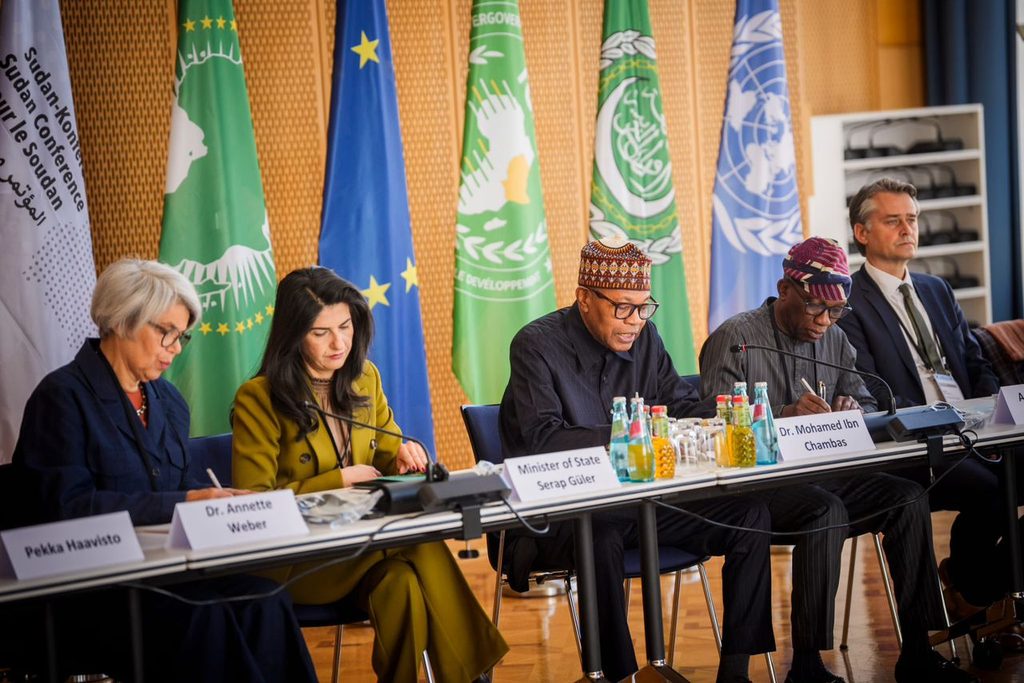
The latest activity has brought together United Nations, European, British and regional envoys, alongside representatives of the so-called Quintet, as international actors warn that a military solution is unlikely to end the conflict.
While diplomatic engagement over Sudan has been building for months, analysts say the chemical weapons file has added a new legal and security dimension to the war and increased pressure on international actors to respond.
Recent investigations based on leaked military documents, photographs and communications have alleged that forces aligned with the Port Sudan authorities developed and stockpiled chlorine-based weapons during 2024.
Sudanese authorities have denied the allegations.
The issue has nevertheless become increasingly prominent in discussions surrounding Sudan, particularly after the United States previously determined that chemical weapons had been used during the conflict and imposed measures against Sudan in response.
Diplomacy gains new urgency
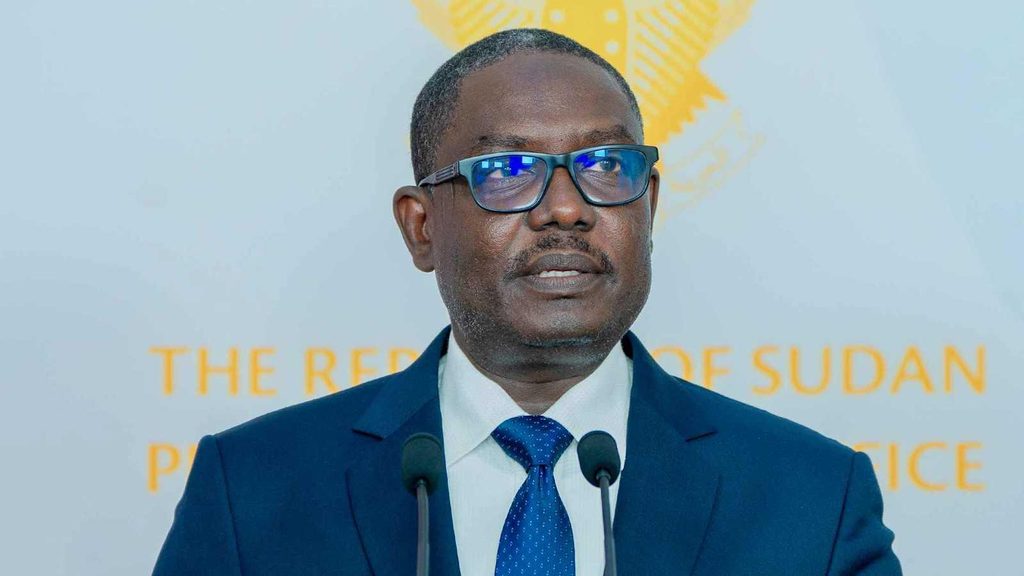
Hasab al-Nabi Mahmoud Hasab al-Nabi, head of the Democratic Sudan Liberation Movement and a member of the leadership body of the Sudan Founding Alliance, said the chemical weapons allegations were increasingly influencing the international approach to Sudan.
Speaking to media, he said the issue had widened the conflict beyond questions of battlefield control and humanitarian suffering, bringing international law and regional security more sharply into focus.
He pointed to investigations published earlier this month that examined leaked material allegedly showing the development and storage of chlorine-based munitions by the Sudanese army.
According to Hasab al-Nabi, the disclosures help explain why diplomatic engagement has accelerated and why international officials are placing greater emphasis on negotiations.
He said allegations involving prohibited weapons give international organisations and foreign governments additional grounds to press for accountability and a political settlement.
The growing scrutiny comes as UN envoy Pekka Haavisto and other international mediators have repeatedly stressed that negotiations remain the only viable route towards a lasting ceasefire.
Hasab al-Nabi said the chemical weapons file could also lead to further sanctions and tighter restrictions on dual-use materials if additional evidence emerges.
Regional implications
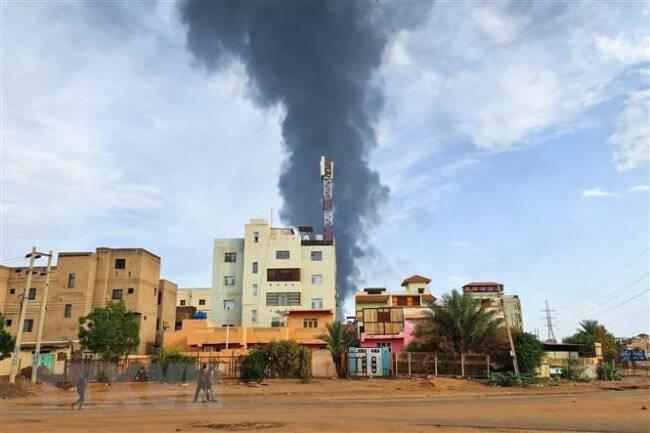
The allegations have also drawn attention because of attacks on strategic infrastructure, including oil facilities and installations linked to South Sudan’s crude exports.
Hasab al-Nabi said that combination — alleged chemical weapons use, attacks on critical infrastructure and the continued humanitarian crisis — was increasingly turning the Sudan war into a broader regional security issue.
He argued that international concern was therefore no longer centred solely on the battlefield balance between the warring sides.
Instead, the conflict was increasingly being viewed through the lens of international law, regional energy security and the risk of further escalation.
Pressure for action
Political writer and analyst Ammar Saeed also said the renewed diplomatic activity reflected growing concern that the war had reached an impasse.
Saeed told media that international actors were facing increasing pressure to address both the external support sustaining the conflict and allegations of serious violations.
He accused figures linked to Sudan’s former Islamist establishment of contributing to the continuation of the war and said the chemical weapons allegations had further raised the stakes.
Saeed argued that continued attempts to secure a military victory would only prolong civilian suffering and deepen the crisis.
He called for international diplomacy to be accompanied by accountability measures against those responsible for violations.
The latest diplomatic push suggests that international mediators are increasingly trying to shift the conflict away from the battlefield and towards negotiations.
For Sudan, the chemical weapons allegations are now becoming part of that diplomatic calculation — adding pressure on the Port Sudan authorities while raising the potential international costs of allowing the war to continue.