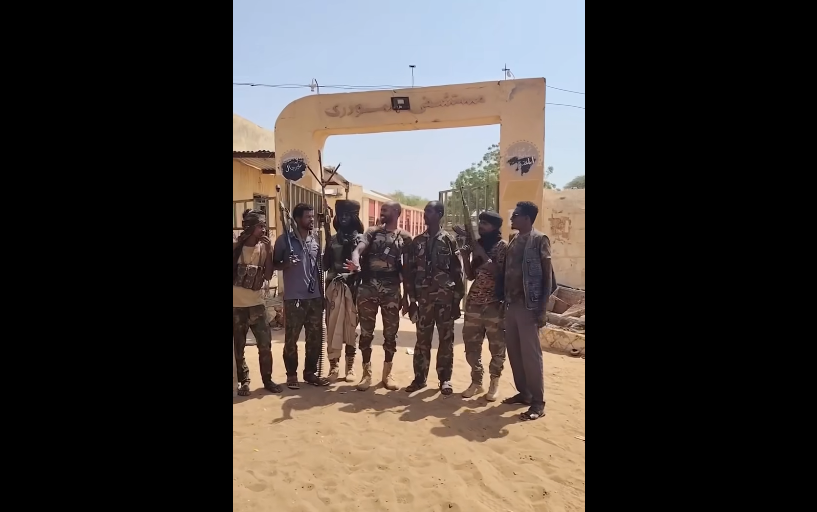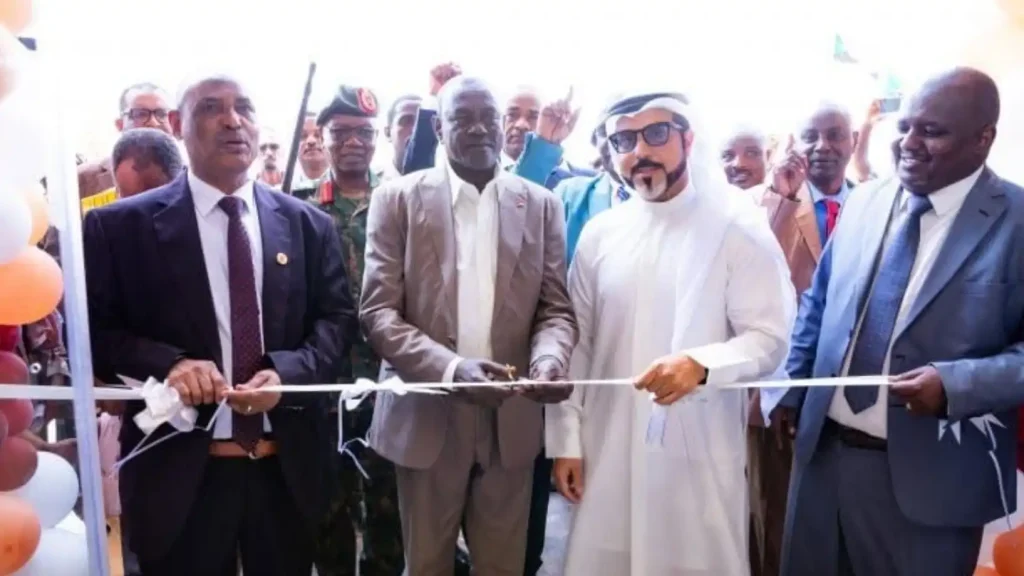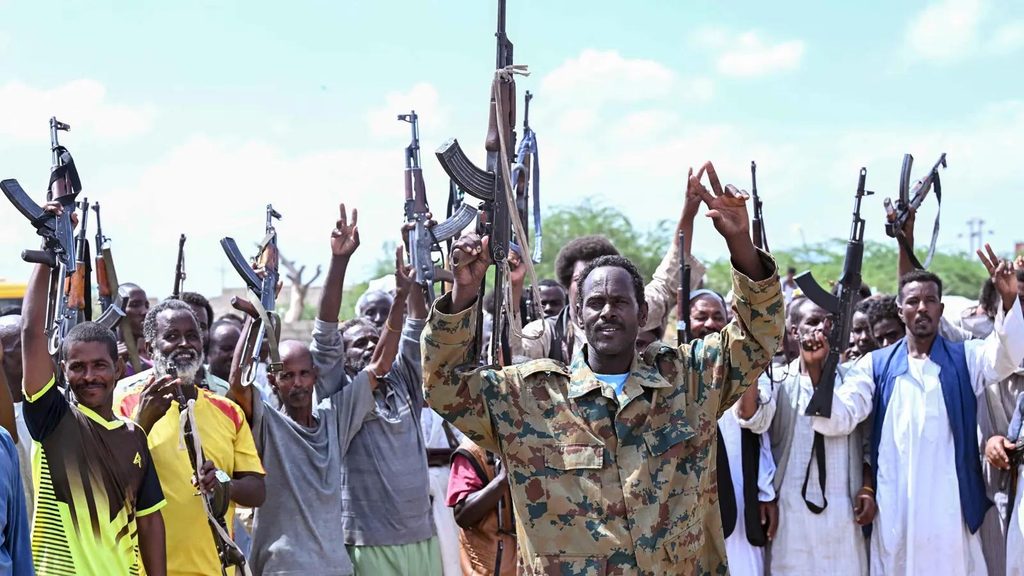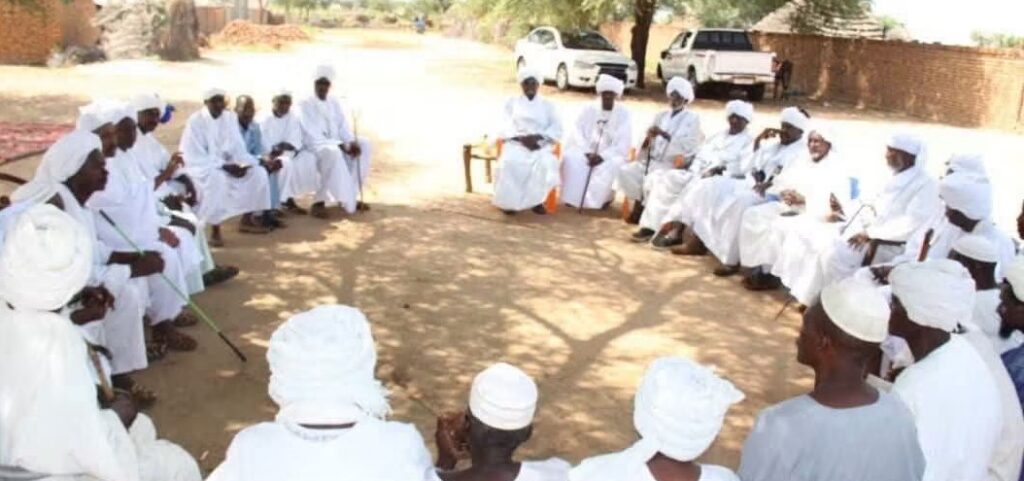
Representatives of 41 communities have concluded a reconciliation conference in Kafia Kingi, agreeing to resolve local disputes through customary mechanisms and strengthen peaceful coexistence in the disputed border region.
The conference, which began on September 21, brought together traditional leaders and community representatives from Kafia Kingi and surrounding areas before concluding after nine days of discussions, according to Radio Tamazuj.
Participants reaffirmed their commitment to settling disputes through traditional mediation and customary practices, while community leaders called for greater cooperation among the area’s diverse populations.
Kafia Kingi Omda Bashir Adam Mohammed thanked traditional leaders from neighbouring areas for taking part, saying their participation demonstrated a commitment to peaceful coexistence and cooperation.
Kafia Kingi Police Chief Al-Ghali Bashar Bashir said the area was home to communities from different backgrounds and that the gathering was intended to strengthen social cohesion and relations between them.
He said maintaining security was a shared responsibility between authorities and local communities.
Yousif Ali Al-Ghali, paramount chief of the Habbaniya community, called for the recommendations adopted at the conference to be distributed across the wider Greater Buram area.
Rapid Support Forces commander Ibrahim Al-Shughail urged residents to reject division and discrimination and respect the customs, traditions and cultures of the area’s different communities.
He also encouraged people who had left Kafia Kingi to return and participate in reconstruction efforts.
The Sudan Times reported last month that representatives of 41 communities, including Abu Daraq, Aringa, Borno, Habbaniya, Falata, Ta’aisha, Bargo and Tama, had gathered for the conference alongside representatives of displaced communities.
Organisers initially said the talks would develop agreed customary mechanisms for dealing with serious disputes including intentional and accidental killings. Local security authorities said they were prepared to implement agreements reached by participating communities.
The gathering has taken place in territory controlled by forces aligned with the Sudan Founding Alliance, or TASIS, as its Government of Peace and Unity develops administrative and security structures across areas under its control.
Kafia Kingi lies near Sudan’s borders with South Sudan and the Central African Republic and remains disputed between Sudan and South Sudan.
South Sudan claims the territory as part of Raja County in Western Bahr el-Ghazal State, while it is administered from the Sudanese side as part of South Darfur.
The agreement marks the conclusion of a community reconciliation initiative aimed at preventing local disputes from developing into wider communal violence.