Officials and traders in Darfur are looking increasingly toward markets in Chad, Central and West Africa as Sudan’s war continues to sever traditional commercial links with army-controlled parts of the country.
Traders say agricultural products, livestock and forest commodities produced across Darfur could increasingly be exported through neighbouring countries, opening new commercial routes toward Nigeria, Cameroon, Libya and Algeria.
The shift reflects the growing economic separation between western areas largely controlled by forces aligned with the Sudan Founding Alliance (TASIS) and territories held by Sudan’s military.
Mohamed al-Mahdi Mohamed Ibrahim, director of livestock and agricultural markets at South Darfur’s Ministry of Animal Resources, said agricultural products remained commercially viable despite disruptions to traditional export routes.
He called for agreements with neighbouring countries to facilitate exports from Darfur and imports of essential commodities.
Ibrahim also urged authorities to establish veterinary quarantine facilities capable of certifying livestock for international markets, alongside investment in livestock-processing industries and services for pastoral communities.
Sudan’s war has sharply disrupted commercial routes connecting Darfur with central and eastern Sudan.
Restrictions introduced during the conflict on the movement of commercial goods between RSF-controlled territories and areas held by Sudan’s military have further accelerated the emergence of alternative cross-border trading networks.
Abubakar Idris Hassan, manager of Al-Manara Trading and Export Company, said markets farther west offered significant opportunities for producers in Darfur.
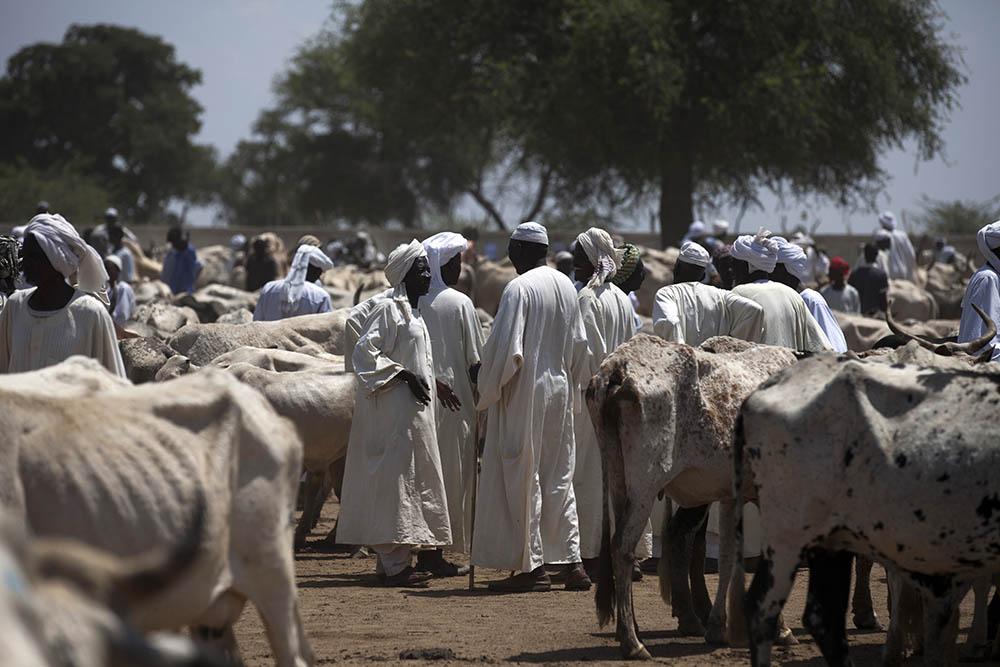
He said camels were already being transported across northern Darfur toward Chad and the Central African Republic before continuing by road toward Libya and Algeria.
Cattle, agricultural products and forest commodities are also moving through the Um Dafuq corridor toward regional markets, including routes connecting with Niger and Cameroon.
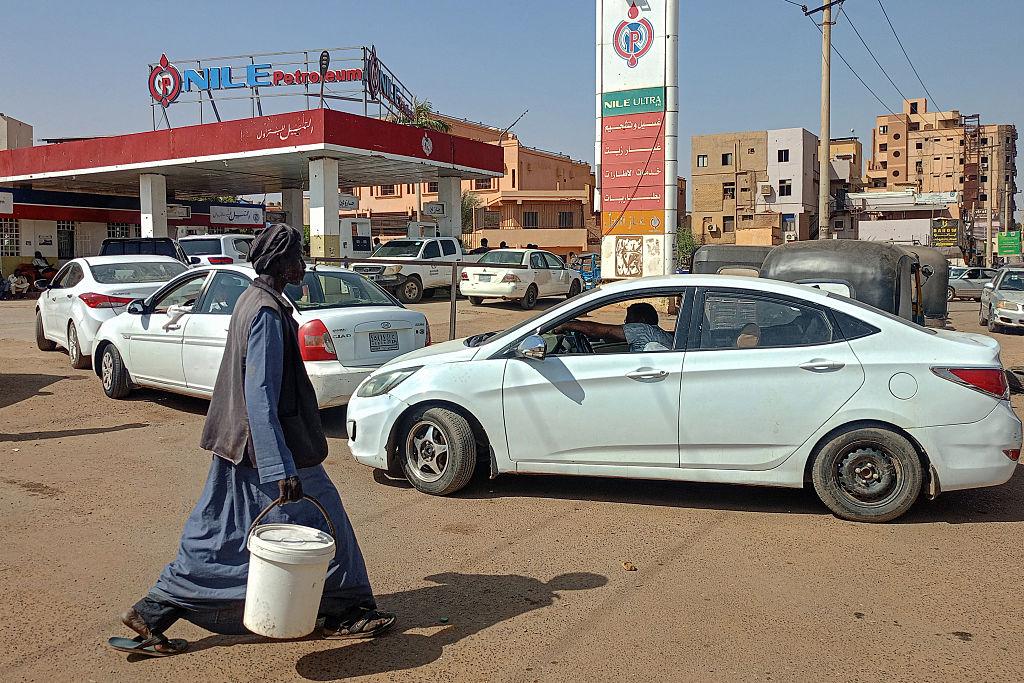
Revenue generated through those exports could in turn finance imports of flour, sugar, fuel and other goods needed in western Sudan.
The changes highlight an accelerating transformation of Sudan’s wartime economy, with Darfur becoming increasingly integrated into cross-border commercial networks extending west and north rather than relying solely on routes through army-controlled central Sudan.
The Sudan Times previously reported that markets in TASIS-controlled Darfur and Kordofan had been partially insulated from the severe currency and price instability affecting army-held areas because goods increasingly enter through Libya, Chad, South Sudan and other neighbouring markets.
West Darfur has also recently reopened routes for gum arabic exports toward Chad.
The latest push by traders and officials suggests those alternative corridors could evolve from emergency wartime supply routes into a broader regional trading system linking Darfur directly with markets across Central and West Africa.