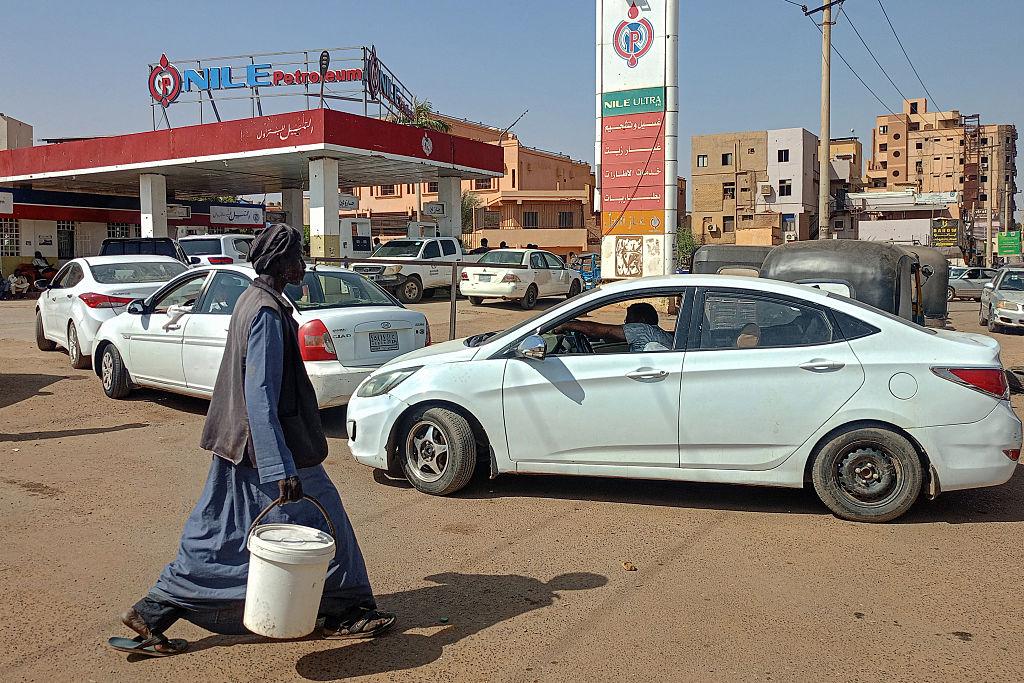
Twenty-four Sudanese fuel companies have urged army chief and Sovereign Council head Abdel Fattah al-Burhan to urgently review regulations governing fuel imports and financing, warning that current restrictions are weakening competition, disrupting supplies and driving up prices.
In a memorandum submitted to Burhan, the companies called for an end to rules that effectively limit fuel imports to a small group of firms, according to Sudanese media outlet Al-Mashhad Al-Sudani.
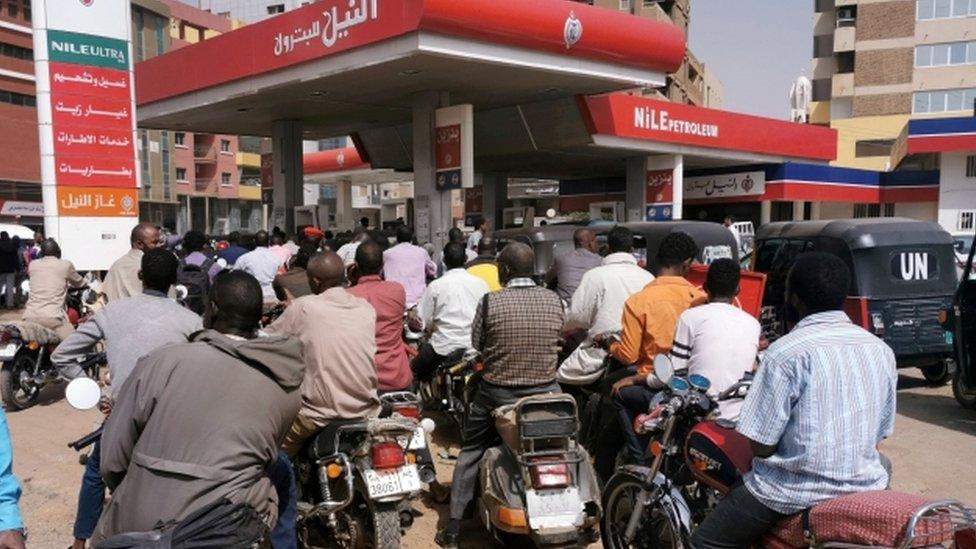
The companies said the current system had distorted competition in the petroleum products market and contributed to supply disruptions and higher prices, with knock-on effects for key sectors including agriculture, mining, manufacturing and transportation.
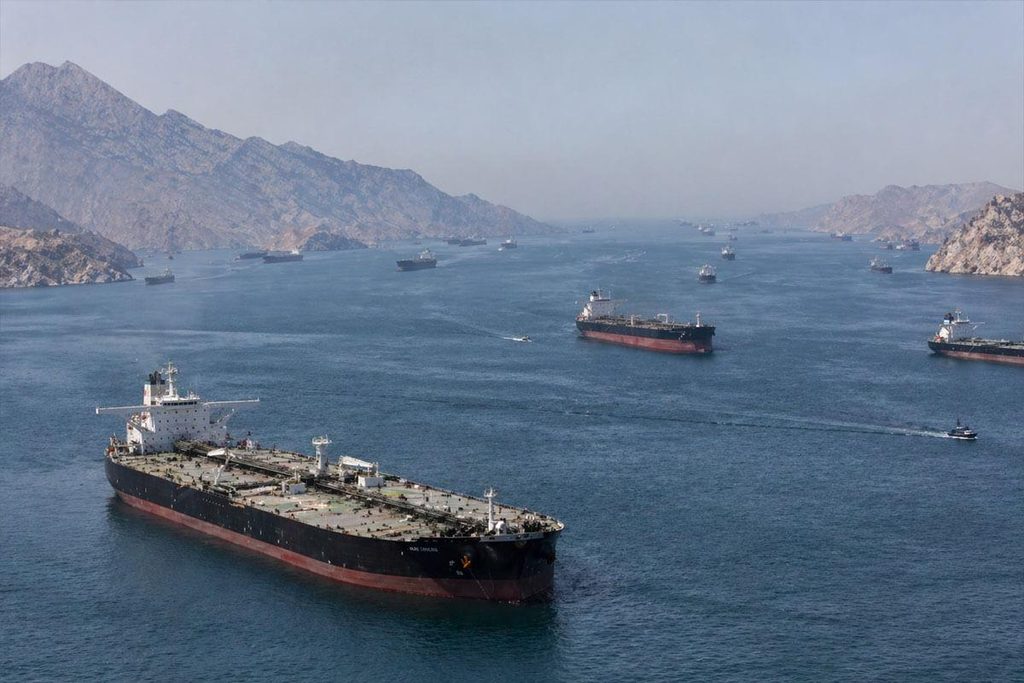
According to the memorandum, restricting imports to a limited number of companies has allowed profit margins on some fuel shipments to reach about $7 million per cargo.
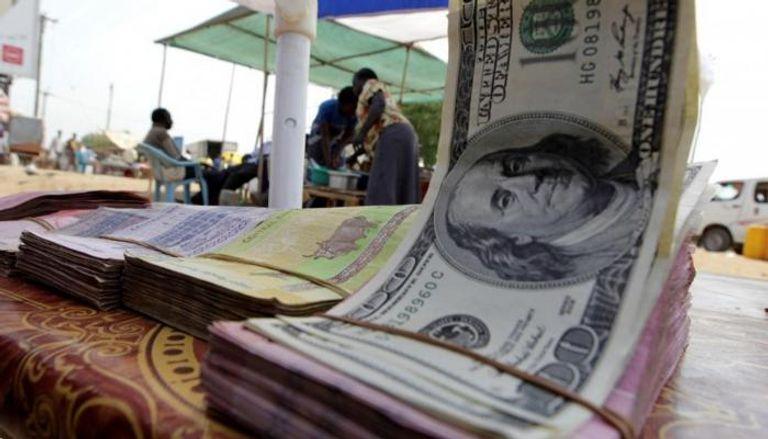
The companies also highlighted a widening gap between the official foreign exchange rate available for imports, which they put at around 5,500 Sudanese pounds to the dollar, and the parallel market rate of roughly 8,300 pounds.
They warned that continuing distortions in import and financing mechanisms would further increase fuel and operating costs, potentially reducing production and exports and weakening Sudan’s ability to generate foreign currency needed to finance imports and reconstruction.
The companies called for all qualified Sudanese firms to be allowed to import petroleum products under uniform technical and financial requirements designed to ensure equal access and greater market competition.
They also proposed allowing companies to finance imports through their own resources and other legitimate funding sources, arguing that this could reduce pressure on the Central Bank of Sudan’s foreign currency reserves.
The memorandum called for a review of collateral requirements imposed on fuel importers and urged authorities to introduce more flexible guarantees that reflect companies’ financial capacity.
It also demanded a transparent and publicly disclosed system for allocating fuel supplies among distribution companies.
The signatories proposed establishing a joint committee under Burhan’s supervision involving relevant government bodies, including the Central Bank, as well as representatives of fuel importers and distributors.
The committee would be tasked with developing a new system for regulating fuel imports, financing and distribution based on competition and equal access, with a fixed deadline for submitting recommendations.
The companies stressed that they were not seeking special privileges or exclusive market shares, but wanted qualified national firms to be allowed to operate under clear and consistent rules.
They argued that increasing the number of importers and strengthening competition could raise fuel supplies and lower costs and prices for consumers while supporting the wider economy.
The memorandum was signed by 24 companies operating in Sudan’s petroleum sector, including Libya Oil, Oil Energy, GAPCO Sudan, Al-Nahla Petroleum, Sudagas, Petroline International, United Petroleum, Nawafil Petroleum, Al-Mithaq Petroleum, Gasko, Al-Tarifi Petroleum, National Petroleum and several other local energy firms.